For decades, global public health guidelines have been anchored in a defensive philosophy: provide the minimum requirements necessary to prevent overt illness and nutritional deficiency. Whether it is the Recommended Dietary Allowance (RDA) for protein or the baseline physical activity levels suggested by national health services, these standards were designed to keep populations from falling into the "red zone" of chronic disease and malnutrition.
However, a provocative new paper published in the journal Frontiers in Nutrition suggests that this survival-based approach is fundamentally misaligned with the desires and potential of the modern population. Authored by Dr. Chris Macdonald, a Fellow of Lucy Cavendish College at the University of Cambridge and Director of the Better Protein Institute, the review argues that it is time to pivot from "minimum requirements" to "optimal health outcomes."
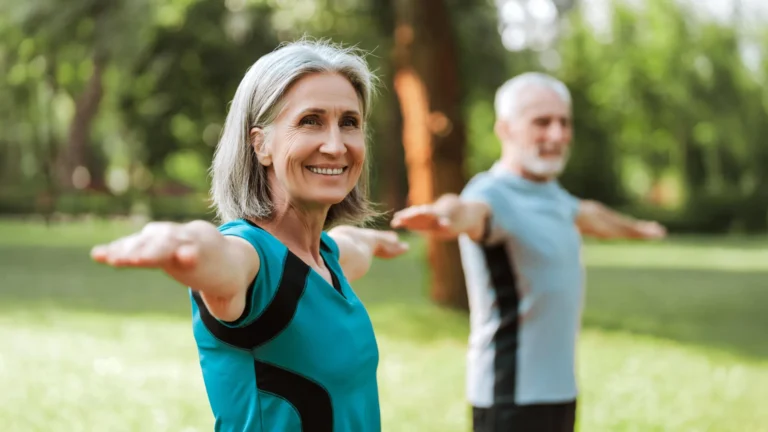
By examining the synergy between resistance training and higher protein consumption, Dr. Macdonald posits that the societal normalization of physical decline in later life is not an inevitable biological fate, but rather a consequence of insufficient lifestyle stimulation.
The Philosophy of "Minimums" vs. "Optima"
Public health policy has historically been shaped by the need to protect the most vulnerable from the immediate dangers of starvation and extreme sedentary behavior. While these benchmarks—often derived from studies on sedentary, healthy adults—are effective at preventing conditions like protein-energy malnutrition, they offer little utility for those seeking to maximize their "healthspan."
"Public health advice often focuses on the minimum people need to avoid problems," Dr. Macdonald explains. "But many people want to know what they should do to remain strong, independent, and mentally sharp throughout life."
The paper argues that by treating the baseline as the goal, we have inadvertently created a culture that views muscle atrophy, decreased mobility, and cognitive slowing as natural components of aging. In reality, Dr. Macdonald suggests, these are often the "evidence of a non-evidence-based lifestyle."
Chronology of Research and Current Shifts
To understand why these guidelines are being challenged, one must look at the evolution of nutritional and exercise science over the past two decades.
- 1940s–1980s: Guidelines were largely developed to address war-time nutrition and the prevention of overt deficiency diseases (e.g., scurvy, kwashiorkor).
- 1990s–2010s: Research began to shift toward the role of exercise in preventing cardiovascular disease, leading to the "aerobic-first" model of public health advice (e.g., the 10,000 steps movement).
- 2015–Present: A surge in clinical research has highlighted the critical importance of sarcopenia (age-related muscle loss) and its correlation with all-cause mortality. This period has seen a transition toward acknowledging that muscle tissue is not merely for aesthetics, but is an "endocrine organ" that regulates metabolic health and insulin sensitivity.
Dr. Macdonald’s paper synthesizes this shift, noting that the modern understanding of protein metabolism and neuromuscular adaptation has outpaced current government recommendations, which have remained stagnant in the face of mounting evidence regarding the benefits of higher intake.
Supporting Data: The Case for Resistance and Protein
The review provides a comprehensive look at why the combination of high-protein intake and resistance training is a biological "force multiplier."
The Synergy of Exercise
While cardiovascular health is vital, the paper emphasizes that aerobic activity alone is insufficient to prevent the frailty associated with aging. The evidence suggests that combining aerobic exercises—such as brisk walking, running, or cycling—with structured resistance training provides a superior defense against age-related decline. Resistance training induces mechanical loading on bones and muscles, which is essential for maintaining bone density and metabolic flexibility.
The Protein Ceiling
Current UK and international guidelines for protein intake (often hovering around 0.75g to 0.8g per kilogram of body weight) are, according to the paper, based on sedentary metrics.
Key findings highlighted by the research include:
- Satiety and Thermogenesis: Higher protein diets facilitate fat loss through increased satiety (the feeling of fullness) and a higher thermic effect of food (the energy required to digest protein is higher than that for fats or carbohydrates).
- Anabolic Resistance in Aging: Older adults require more protein per meal to trigger muscle protein synthesis than younger individuals. The current guidelines fail to account for this "anabolic resistance," potentially leaving the elderly under-nourished for muscle maintenance.
- Pregnancy and High Activity: Active individuals and pregnant women possess metabolic demands that far exceed the sedentary baseline, making current guidelines insufficient to support tissue repair and metabolic homeostasis.
Addressing the "Plant-Based" Myth
One of the most significant barriers to discussing higher protein intake is the assumption that it requires a meat-heavy diet, which may conflict with environmental or ethical concerns. Dr. Macdonald’s review proactively addresses this by noting that higher protein consumption is entirely compatible with plant-based lifestyles.
"With thoughtful meal planning, plant-based diets can also provide sufficient protein," the paper notes, citing the emergence of high-performance vegan powerlifters and bodybuilders as empirical evidence that the amino acid profiles required for muscle maintenance can be achieved without animal products. This democratization of high-protein nutrition is a key step in making these health outcomes accessible to a broader demographic.
Implications for Public Policy and Society
The implications of Dr. Macdonald’s work are profound, suggesting that our current healthcare burden—characterized by chronic diseases and an aging population requiring long-term care—could be significantly mitigated by a shift in educational messaging.
Moving Beyond Aesthetics
A primary obstacle identified by the paper is the "gym culture" stigma. High-intensity exercise and high-protein diets are frequently dismissed by the general public as pursuits reserved for bodybuilders, athletes, or those seeking superficial aesthetic goals like "six-pack abs."
Dr. Macdonald argues that this perception is dangerous. "It is less about having ‘abs’ and a ‘beach body’ and more about being able to lift up, play with, and even remember, your grandchildren thanks to a strong and resilient body and mind," he states. By reframing strength training and nutrition as "tools for independence," policymakers could potentially increase the uptake of these habits among older and middle-aged populations who currently feel excluded from such lifestyles.
Reclaiming Independence
The review challenges the inevitable decline narrative. If society stops accepting frailty as the default outcome of aging, the economic and social benefits would be vast. A population that remains physically robust into their 80s and 90s is a population that remains independent, reducing the demand on healthcare systems and social care services.
"We should not be quick to normalize and accept the consequences of a largely sedentary lifestyle," says Dr. Macdonald. "We should proactively empower people to reclaim their health and their independence. The reduction in unnecessary suffering would be profound."
Official Responses and Future Outlook
While government health agencies have yet to issue a formal revision of the guidelines in response to this specific paper, the academic community has noted the work as a crucial call to action. The Frontiers in Nutrition publication is part of a growing movement of sports and clinical nutritionists advocating for "Optimal Dietary Protein" (ODP) thresholds.
Moving forward, the paper suggests that public health authorities should:
- Differentiate Guidelines: Create specific tiers for active individuals, pregnant women, and the elderly, rather than a "one-size-fits-all" baseline.
- Promote Literacy: Educate the public on the functional benefits of protein and resistance training rather than focusing solely on calorie counting or weight loss.
- Integrate Clinical Practice: Encourage general practitioners to prescribe "resistance training" with the same gravity as they prescribe cardiovascular exercise.
Conclusion: A New Standard for Human Potential
The shift from preventing deficiency to optimizing performance represents a paradigm shift in how we view the human lifespan. By acknowledging that the body requires more than the bare minimum to thrive, we can move away from a model of reactive medicine and toward a proactive model of longevity.
Dr. Macdonald’s research serves as a reminder that health is not a passive state, but an active, ongoing project. Whether through the inclusion of high-quality protein in our diets or the commitment to challenging our muscles through resistance, the tools for a healthier, more independent future are already in our hands. The question is no longer what we need to survive, but what we must do to truly live.