NEW YORK — The public health landscape in the United States has darkened significantly this week as Pennsylvania officials confirmed a fourth measles-associated death, a tragic milestone in what is already the nation’s most severe measles crisis since 1991. The death of an 18-year-old in Mifflin County serves as a grim reminder of the lethal potential of a disease that many Americans once considered a relic of the past.
As the state grapples with nearly 700 confirmed cases across 38 counties, public health experts are sounding the alarm. The surge in mortality, coupled with declining immunization rates, has forced a national conversation regarding the erosion of vaccine confidence and the potential loss of the United States’ measles-free status.
The Latest Tragedy: A Complication of Rare Severity
The most recent fatality involved an 18-year-old resident of Mifflin County, located in the heart of Pennsylvania. According to a statement issued by the county coroner’s office, the teenager succumbed to acute disseminated encephalomyelitis (ADEM), a rare but devastating neurological complication that can occur following a measles infection.
ADEM involves a sudden, widespread attack of inflammation in the brain and spinal cord, which damages the myelin—the protective coating of nerve fibers. While measles is commonly associated with respiratory issues and high fever, its ability to trigger autoimmune-like neurological destruction represents one of the most feared outcomes for clinicians. The coroner’s report confirmed that the victim had not received the MMR (measles, mumps, and rubella) vaccine.
This death follows a series of heartbreaking losses in Pennsylvania. Only days prior, a 40-year-old woman from Jefferson County, a rural area in western Pennsylvania, died from complications related to the virus. Last month, the state was shaken by the deaths of two infants in Lancaster County. According to state health department records, none of the four victims had been vaccinated. In the case of the two infants, they were deemed too young to have received the vaccine under current medical guidelines, highlighting the importance of "herd immunity" to protect those who cannot protect themselves.
Chronology of an Escalating Crisis
The current outbreak in Pennsylvania did not happen in a vacuum; it is the manifestation of a broader, systemic decline in public health infrastructure and vaccine uptake.
- Early 2026: Initial clusters of measles began appearing in southeastern Pennsylvania, initially contained within smaller pockets of the population.
- August 2026: Health officials noted a rapid acceleration in transmission. The virus, one of the most contagious known to man, began crossing county lines with alarming speed.
- September 2026: The crisis reached a turning point when two infants in Lancaster County died. These were the first measles-related deaths reported in Pennsylvania in 35 years.
- Mid-September 2026: The death of a 40-year-old woman in Jefferson County signaled that the virus was no longer confined to children or high-density urban areas.
- Late September 2026: The death of an 18-year-old in Mifflin County brought the total death toll to four, confirming that the outbreak had permeated the central regions of the state.
Nationwide, the statistics are even more sobering. The United States has recorded seven measles-associated deaths in the last two years—a figure that exceeds the combined total of the previous three decades. This rapid escalation has placed the country at a precarious crossroads, with international health bodies scheduled to convene in November to determine if the U.S. and Mexico have officially lost their "measles-elimination" status.
Supporting Data: A Nation Beneath the Threshold
To prevent the spread of measles, a community requires a 95% vaccination rate to maintain herd immunity. For years, the U.S. hovered comfortably above this threshold. However, recent data from the Centers for Disease Control and Prevention (CDC) indicates a concerning downward trend.
The Breakdown of Immunity
- National Coverage: Vaccination rates for the MMR vaccine have dipped below the 95% threshold in several states, leaving schools and neighborhoods vulnerable to localized outbreaks.
- Pennsylvania Surge: With nearly 700 cases reported this year, the state is seeing an average of 100 new cases per week. This velocity suggests that the virus is finding fertile ground in communities where immunity gaps are most pronounced.
- The "35-Year" Marker: State officials note that before these four recent deaths, Pennsylvania had not recorded a measles-related fatality in over three decades. The abrupt end to that streak serves as a statistical indictment of current public health vulnerabilities.
The decline in immunization is attributed to a "perfect storm" of factors: a rise in non-medical exemptions, a lack of access to pediatric care in rural districts, and an unprecedented surge in misinformation campaigns.
Official Responses: A Call for Science-Based Action
Dr. Debra Bogen, the Pennsylvania Health Secretary, addressed the public on Tuesday, emphasizing the gravity of the situation. "My thoughts are with the two families who lost loved ones to this highly contagious virus, as Pennsylvania faces the worst measles outbreak in more than three decades," Dr. Bogen stated.
Her message was not just one of condolence, but of resolve. "We remain committed to working with our partners across Pennsylvania to stem this outbreak and prevent more deaths. That means ensuring people have the facts about measles and access to the MMR vaccine, which kept measles outbreaks at bay for decades."
However, the state’s efforts are being complicated by a national political climate that has increasingly turned against institutional health guidance.
Implications: The High Cost of Misinformation
The current measles resurgence is a manifestation of a years-long erosion of trust in medical science. The problem is multifaceted, stemming from parental waivers and health care access issues, but it has been exacerbated by rhetoric coming from the highest levels of the federal government.
The Role of Political Rhetoric
Critics have pointed to the actions of the current administration, specifically citing Health Secretary Robert F. Kennedy Jr. His public questioning of vaccine safety and the dissemination of long-debunked theories linking vaccines to autism have provided a platform for anti-vaccine sentiments.
The impact of this messaging is twofold:
- Doubt: It creates a sense of hesitation among parents who might otherwise vaccinate their children, leading to a rise in requests for personal-belief exemptions.
- Structural Defunding: By prioritizing the dismantling of existing public health communication structures, federal policy has hampered the ability of local health departments to conduct outreach and vaccination drives.
When local funding for immunization clinics is cut, the most vulnerable populations—those in rural areas or lower-income brackets—are the first to lose access. This "care gap" is exactly where the current outbreak has found its strongest foothold.
Looking Ahead: The November Deadline
The global scientific community is watching the United States closely. In November, international health experts will meet to decide the fate of the nation’s status as a measles-free country. If the U.S. is stripped of this designation, it would be a humiliating and dangerous step backward in the history of public health.
The implications of losing this status go beyond bureaucratic paperwork. It signals to the world that the American public health system is no longer capable of preventing the spread of a vaccine-preventable disease. For families in Pennsylvania and across the country, the reality is far more personal: it is a race against time to restore confidence in the MMR vaccine before the virus reaches more schools, more neighborhoods, and more vulnerable individuals.
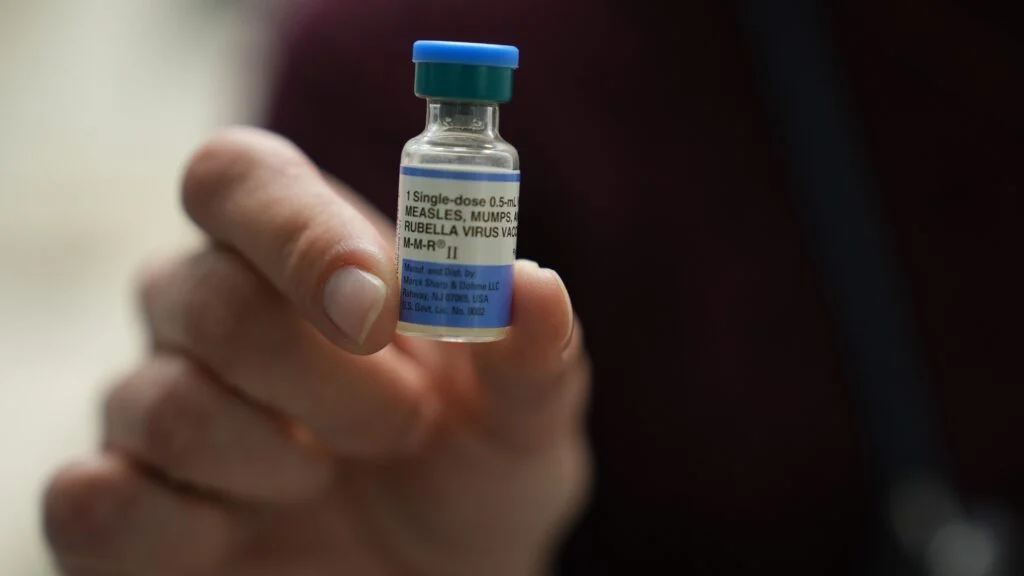
As the Pennsylvania Department of Health continues its efforts to contain the spread, the message from the medical community remains clear: the vaccine is the only reliable shield against a virus that has proven it can still kill, even in the 21st century. The question remains whether that message can penetrate the noise of misinformation in time to save lives before the next report from the coroner arrives.