By Investigative Desk
September 14, 2026
A 40-year-old woman from Jefferson County, Pennsylvania, has died due to complications associated with the measles virus, marking the third death linked to the pathogen in the state this year. The passing of the resident—whose identity remains protected at the request of the family—was confirmed by Jefferson County Coroner Greg Furlong in a somber public statement issued Saturday.
The death underscores a precarious public health landscape in Pennsylvania, which is currently grappling with one of the most significant measles outbreaks in recent American history. As health officials scramble to contain the spread, the state’s mortality figures have become a focal point of intense political friction, pitting local health authorities against the federal reporting standards of the Centers for Disease Control and Prevention (CDC).
The Incident in Jefferson County
Coroner Greg Furlong announced the death via a Facebook post, labeling the event as "measles-related." The deceased resided in Jefferson County, a rural, mountainous region approximately 50 miles northeast of Pittsburgh. While Furlong did not disclose the woman’s vaccination history or specific medical history, he emphasized the gravity of the situation.
"This is a heartbreaking loss for the family and an unfortunate reminder that measles can be a serious and potentially life-threatening disease," Furlong stated. His office confirmed that no further details would be released to the public, citing privacy concerns. The lack of clarity regarding the victim’s vaccination status has left experts to speculate on the potential for secondary complications, such as measles encephalitis or severe respiratory distress, which remain the primary drivers of mortality in adult measles cases.
Chronology of the 2026 Pennsylvania Outbreak
The current crisis in Pennsylvania did not emerge overnight; it is the culmination of a rapidly accelerating viral spread that has tested the limits of the state’s healthcare infrastructure.
The Summer Surge
The state’s initial measles-related fatalities occurred in August, involving two infants in Lancaster County. These cases brought national attention to the vulnerability of populations unable to receive the standard MMR (measles, mumps, and rubella) vaccine, which is typically administered at 12 to 15 months of age.
- The First Infant Death: A male infant passed away shortly after birth. According to Lancaster County Coroner Dr. Stephen Diamantoni, the infant suffered a ruptured spleen. While the rupture was the primary cause of death, the infant had been diagnosed with measles, which officials categorized as a "significant condition" at the time of death, rather than the underlying cause.
- The Second Infant Death: A 6-week-old female infant, born with Amish lethal microcephaly—a genetic condition characterized by a significantly underdeveloped brain and small head circumference—died due to complications directly attributed to the measles virus. Because the child was immunocompromised and far below the age of immunization, she had no protection against the circulating virus.
The Escalation
Since the August deaths, the state has seen a staggering increase in infection rates. As of Friday, September 11, the Pennsylvania Department of Health reported 676 confirmed cases of measles spanning 37 of the state’s 67 counties. The surge has placed an immense burden on local hospitals, with 124 patients requiring hospitalization. Notably, health officials confirmed that among the infected, four individuals had received the vaccine, highlighting the potential for breakthrough cases even in immunized populations when community transmission levels are high.
Supporting Data and The "Reporting Gap"
The most contentious aspect of the current outbreak is the discrepancy between state-reported data and federal oversight. As of Sunday, the CDC website maintained that there were no measles-related deaths in the United States for the year 2026.
The National Center for Health Statistics (NCHS) utilizes specific criteria for identifying the "underlying cause of death." If a patient dies from a secondary complication, or if the coroner’s assessment differs from federal classification protocols, those deaths may not be tallied in the CDC’s national database.
This statistical "gap" has fueled a political firestorm. Governor Josh Shapiro’s administration has consistently highlighted the three deaths as evidence of a systemic health emergency, while the federal government, under the Trump administration, has signaled skepticism regarding the classification of these deaths as "measles-related."
Official Responses and Political Friction
The disagreement between Harrisburg and Washington D.C. reflects broader, long-standing tensions regarding public health policy, vaccination mandates, and the role of the federal government in local crisis management.
The Shapiro-Trump Dispute
President Donald Trump’s administration has frequently challenged state-level data that contradicts federal narratives. In the context of the Pennsylvania outbreak, the dispute has centered on whether the measles virus was the "primary" cause of death in each of the three instances.
Governor Shapiro has argued that the state’s reporting is transparent and reflects the reality on the ground, suggesting that the federal government is minimizing the danger to avoid acknowledging the severity of the outbreak. Conversely, critics of the state’s classification system argue that conflating "death with measles" with "death from measles" creates unnecessary public panic.
Public Health Guidance
Despite the political noise, the consensus among medical professionals remains unified: vaccination is the only effective defense against the virus. The resurgence of measles—a disease once declared eliminated in the U.S. in 2000—has been attributed to declining vaccination rates and increased pockets of vaccine hesitancy.
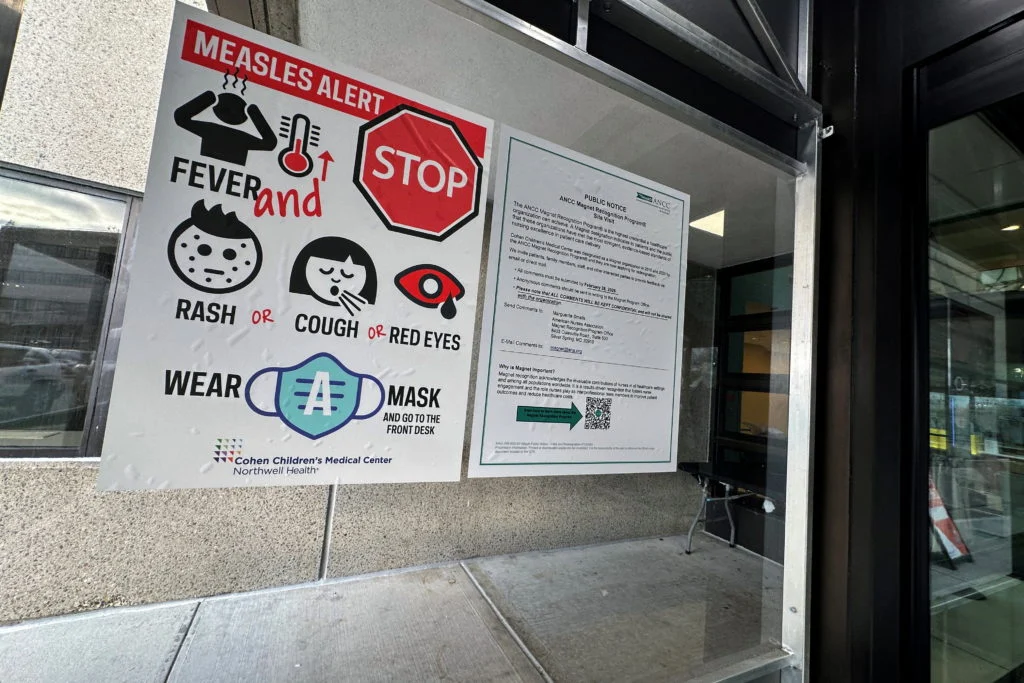
The Pennsylvania Department of Health continues to urge residents to verify their immunization status. "Measles is highly contagious," said a department spokesperson. "It remains suspended in the air for up to two hours after an infected person has left a room. When you have nearly 700 cases, the probability of exposure for unvaccinated or immunocompromised individuals becomes extremely high."
Implications for Public Health
The death of the 40-year-old woman in Jefferson County serves as a grim marker for how the virus has moved beyond infant populations into the broader community. The implications of this trend are profound:
- Healthcare Strain: With over 120 hospitalizations, local healthcare systems are experiencing staffing shortages and the diversion of resources away from elective care to manage isolation protocols and intensive care for measles patients.
- The Vaccination Debate: The fact that four vaccinated individuals contracted the virus suggests that "herd immunity" thresholds may have been breached in certain counties. This places the onus on health departments to conduct aggressive "ring vaccination" strategies, which involve immunizing everyone in the vicinity of a known case.
- Loss of Public Trust: The discrepancy between CDC data and Pennsylvania reports is doing little to quell the skepticism of the general public. When official agencies provide conflicting information, it often results in decreased compliance with health directives and a rise in misinformation.
As the state moves further into the autumn, medical experts are closely monitoring the data for signs of a plateau. However, with schools back in session and community transmission remaining widespread, the risk of further fatalities remains a constant concern.
The story of the 40-year-old Jefferson County resident is more than a statistic; it is a signal that the 2026 measles outbreak has evolved from a local health concern into a multifaceted crisis. Whether the federal government will eventually reconcile its data with the state’s findings remains to be seen, but for the families of the victims, the reality of the virus’s lethality is already clear.
As the Commonwealth of Pennsylvania continues its fight, the focus remains on containment, communication, and the critical importance of public health vigilance in an era of resurgent, vaccine-preventable diseases.