





Introduction: Navigating Health in a Post-Pandemic Era
As the world transitions from the tumultuous landscape of 2020 into the uncertainties of 2021 and beyond, the intersection of public health and individual lifestyle choices has never been more critical. The COVID-19 pandemic acted as a global catalyst, exposing vulnerabilities in our social, economic, and physical infrastructures. For millions, this period has been defined by unprecedented challenges: restricted access to nutritious food, significant income volatility, and profound emotional distress.
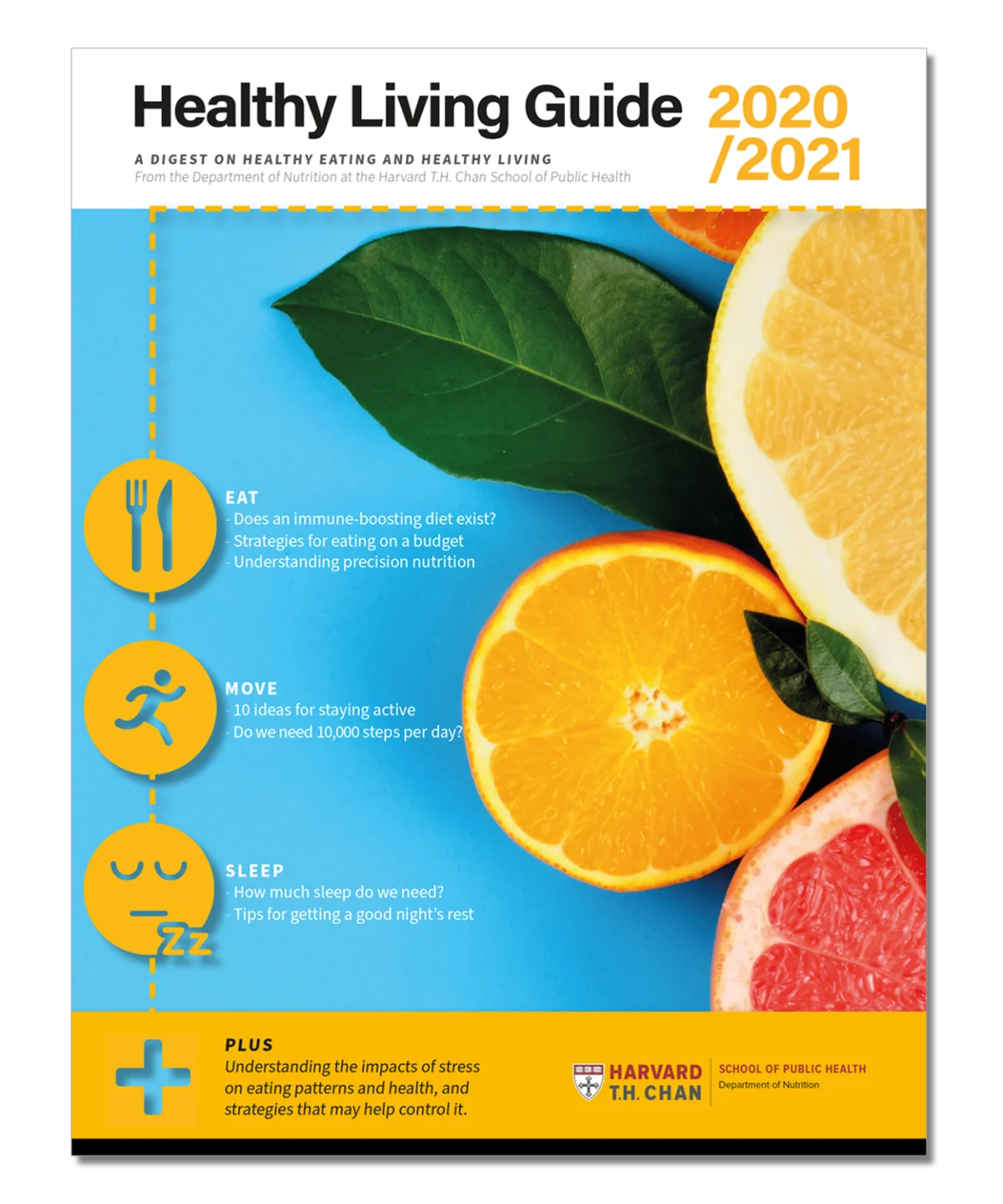
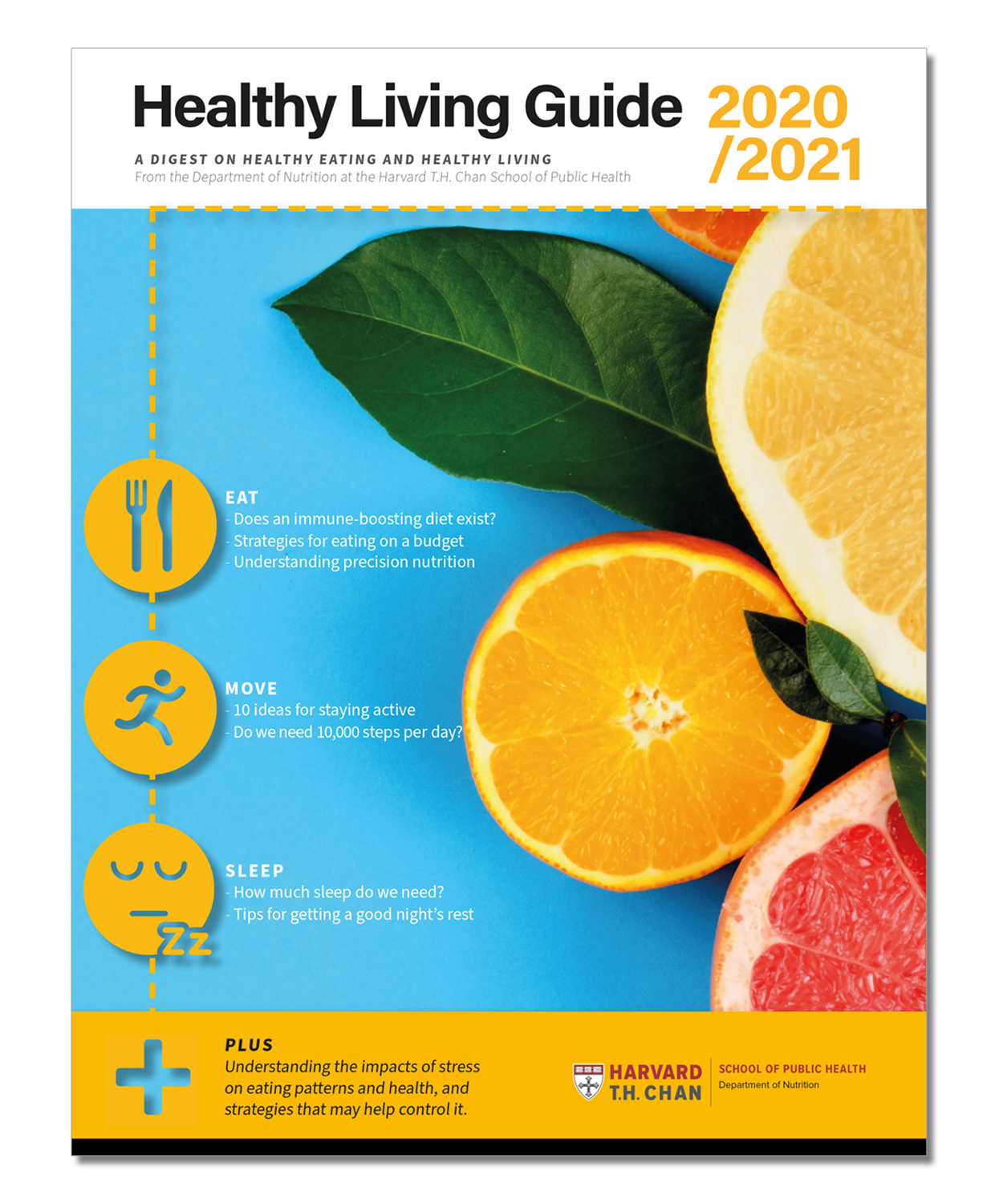
Amidst this backdrop, the Harvard T.H. Chan School of Public Health has released its Healthy Living Guide, a comprehensive resource designed to help individuals reclaim their well-being. While no singular dietary intervention can serve as a shield against a viral pandemic, the scientific consensus remains firm: a robust immune system—supported by consistent, evidence-based lifestyle habits—is the cornerstone of long-term health and resilience.
The Pillars of Longevity: Core Scientific Findings
The discourse surrounding "healthy living" is often diluted by fad diets and fleeting fitness trends. However, researchers have identified five fundamental pillars that, when sustained, yield transformative results.
The Five Key Habits
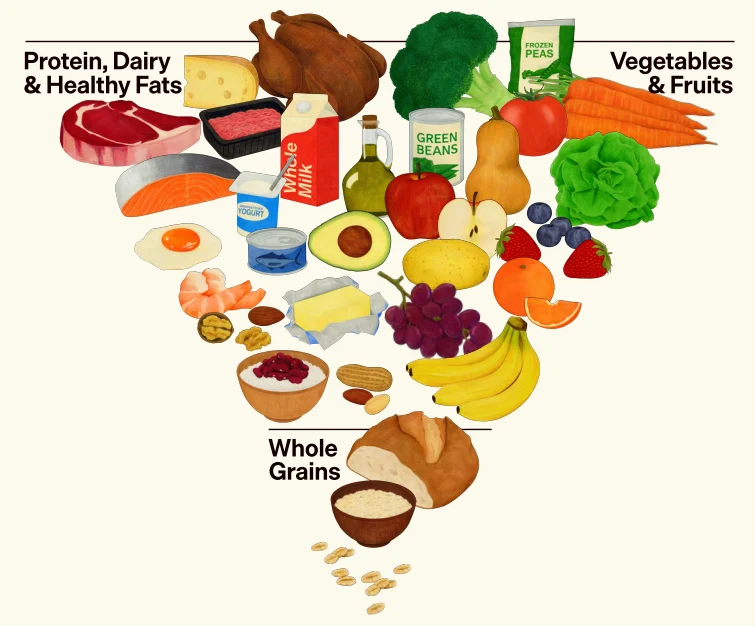
- Nutrient-Dense Nutrition: Prioritizing whole foods, including fruits, vegetables, lean proteins, and whole grains, while minimizing processed sugars and trans fats.
- Regular Physical Activity: Engaging in consistent aerobic and resistance exercises to maintain cardiovascular health and muscle mass.
- Weight Management: Maintaining a healthy body mass index (BMI) to reduce systemic inflammation and stress on vital organs.
- Moderate Alcohol Consumption: Limiting intake to prevent long-term liver and cardiovascular damage.
- Tobacco Cessation: Eliminating smoking entirely to protect respiratory function and minimize cancer risk.
The data supporting these habits is staggering. Longitudinal research conducted by the Harvard T.H. Chan School of Public Health indicates that individuals who adhere to these five pillars can live more than a decade longer than those who do not. Furthermore, the benefit is not merely in the duration of life, but in the quality of those years. Adults who adopt these habits by middle age significantly increase their "healthspan"—the number of years lived free of chronic, debilitating conditions such as type 2 diabetes, cardiovascular disease, and various forms of cancer.
Chronology of a Health Crisis: From 2020 to the New Normal
To understand the necessity of this guide, one must look at the timeline of health shifts that occurred during the COVID-19 era.
Phase 1: The Lockdown Shift (Early 2020)
As governments mandated lockdowns, the immediate impact was a disruption in access to fresh produce. Supply chain instabilities and the fear of grocery store exposure led many households to rely on shelf-stable, highly processed foods. Simultaneously, the closure of gyms and public parks led to a sharp decline in physical activity levels.
Phase 2: The Mental Health Toll (Mid-2020)
By mid-year, the "pandemic fatigue" set in. The psychological burden of isolation and the blurring of lines between home and work resulted in poor sleep hygiene and stress-induced dietary habits. Emotional eating became a coping mechanism for many, while sedentary screen time skyrocketed.
Phase 3: The Call for Long-Term Adaptation (2021 and Beyond)
Recognizing that the pandemic would have long-lasting effects, health institutions shifted their focus from "surviving the lockdown" to "building sustainable habits." The Healthy Living Guide was released as an antidote to the chaos, providing structured, actionable advice to help the public recalibrate their daily routines.
Supporting Data: Why Lifestyle Choices Matter
The correlation between lifestyle and mortality is not anecdotal; it is deeply rooted in physiological data. Chronic diseases—the leading causes of death worldwide—are largely preventable through lifestyle modifications.
Reducing Chronic Disease Risk
Research into the "Blue Zones" (regions where people live the longest) and clinical trials on diet have shown that lifestyle interventions can often match the efficacy of pharmaceutical interventions for conditions like pre-diabetes and hypertension.
- Cardiovascular Health: Regular exercise lowers blood pressure and improves cholesterol profiles.
- Immune Function: Proper nutrition ensures the body has the micronutrients (such as Zinc, Vitamin D, and Vitamin C) required to synthesize antibodies and white blood cells.
- Mental Clarity: Exercise has been shown to be as effective as some antidepressants in treating mild-to-moderate depression, largely due to the release of endorphins and the regulation of cortisol.
Official Perspectives: The Institutional Stance
Experts emphasize that the goal of healthy living is not perfection, but progress. The Harvard Healthy Living Guide explicitly addresses the "all-or-nothing" mentality that often leads to failure.
The Strategy of Small Wins
Institutional experts advocate for "habit stacking"—the process of adding small, healthy choices to existing routines. For example, instead of committing to an hour of intense exercise, one might start with a 15-minute walk. By framing health as a journey rather than a destination, the Healthy Living Guide utilizes gamification tools, such as the "Healthy Living Bingo Challenge," to make wellness accessible and engaging.
"During these particularly uncertain times," the authors note, "we invite you to do what you can to maintain a healthy lifestyle, and hopefully find some enjoyment along the way." This humanistic approach recognizes that emotional well-being is intrinsically linked to physical health.
Implications for Public Health Policy
The release of this guide carries broader implications for how society views healthcare. We are shifting away from a reactive model—where individuals wait for a diagnosis before making changes—toward a proactive, preventative model.
1. Decentralization of Health
The Healthy Living Guide empowers the individual. By providing printable tip sheets and actionable summaries, it democratizes access to information that was once reserved for medical professionals or those with personal trainers and nutritionists.
2. Economic Benefits
Preventative care is significantly more cost-effective than treating chronic illnesses. If a population can delay the onset of heart disease or diabetes by five to ten years through lifestyle changes, the economic burden on healthcare systems is reduced exponentially.
3. Resilience as a Social Good
A healthier population is a more resilient one. As future health challenges arise, a society that has prioritized these five key habits will be better equipped to handle them. Immune systems will be stronger, underlying health conditions will be less prevalent, and mental health will be more robust.
Practical Implementation: How to Use the Guide
The Healthy Living Guide is designed for practical application. It serves as a manual for those who feel overwhelmed by the abundance of conflicting health advice found online.
- Printable Resources: The guide includes tip sheets that can be posted on refrigerators or kept at workstations as constant reminders of health goals.
- The Bingo Challenge: This interactive component turns lifestyle management into a game, encouraging individuals to try new recipes, pick up hobbies, or establish exercise routines in a way that feels rewarding rather than punitive.
- Online Integration: By providing direct links to in-depth research articles, the guide ensures that those who want to dive deeper into the "why" behind the advice have the necessary scientific backing.
Conclusion: A Vision for the Future
The journey toward a healthier life is a marathon, not a sprint. As we look toward the future, the lessons learned during the pandemic should not be discarded. Instead, they should serve as a foundation for a new approach to living—one that prioritizes movement, nourishment, and mental health as non-negotiables.
By integrating the five key habits into our daily existence, we do more than just add years to our lives; we add life to our years. Whether you are starting with a single walk, a new vegetable-based recipe, or a commitment to better sleep, every step taken is a step toward a more resilient, vibrant future. The Healthy Living Guide is more than just a document; it is an invitation to take control of the one thing we truly own: our health.
For those ready to begin, the Healthy Living Guide remains available for download, offering the tools necessary to navigate the complexities of modern health with confidence and clarity.