A groundbreaking study conducted by researchers at the Botucatu School of Medicine at São Paulo State University (FMB-UNESP) has unveiled a promising, low-cost intervention that could fundamentally alter the landscape of breast cancer treatment. According to the research, published in the journal Nutrition and Cancer, a modest daily supplement of vitamin D may significantly enhance the efficacy of neoadjuvant chemotherapy in women fighting breast cancer.
As medical professionals constantly seek ways to improve survival rates and reduce the physical toll of aggressive oncology treatments, these findings offer a glimmer of hope. By utilizing a common, inexpensive vitamin, clinicians may be able to increase the rate of complete tumor remission without the need for high-cost, specialized pharmacological agents.
The Core Findings: A Shift in Oncology Support
The research, which was supported by the São Paulo Research Foundation (FAPESP), centered on the hypothesis that optimizing vitamin D levels could prime the body to respond more robustly to chemotherapy. The study focused on 80 women over the age of 45 who were scheduled to undergo neoadjuvant chemotherapy—a regimen administered before surgery specifically to shrink malignant tumors and facilitate easier removal.
The results were statistically striking. Among the cohort that received a daily 2,000 IU (international units) supplement of vitamin D, 43% experienced a complete disappearance of their cancer following chemotherapy. In contrast, only 24% of the participants in the placebo group achieved the same level of success. This nearly two-fold increase in positive outcomes suggests that vitamin D is not merely a bone-health supplement but a potentially potent adjuvant therapy in the fight against malignancy.
Chronology of the Clinical Trial
The study was meticulously structured to ensure data integrity and to measure the impact of the supplement over the course of the patients’ treatment cycles.
Phase I: Baseline Assessment
At the onset of the trial, researchers evaluated the nutritional status of all 80 participants. The findings were revealing: the vast majority of the women presented with clinically low levels of vitamin D, defined as less than 20 nanograms per milliliter (ng/mL) of blood. This deficiency is common, yet it highlights a potential vulnerability in patients beginning intensive cancer treatment. The Brazilian Society of Rheumatology, by comparison, recommends maintaining levels between 40 and 70 ng/mL for optimal health.
Phase II: The Intervention
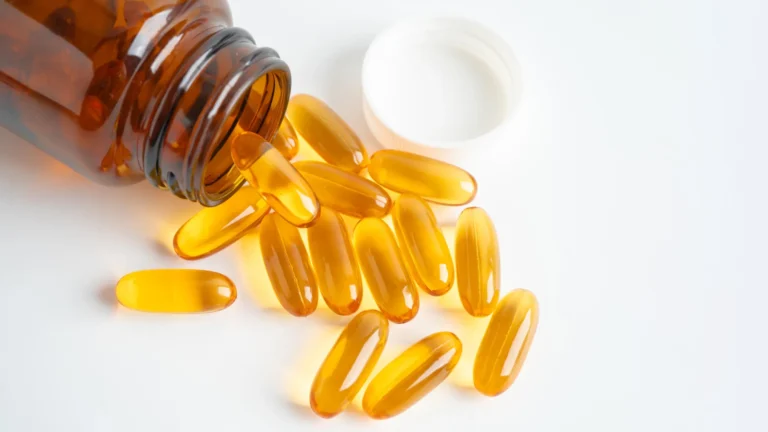
The participants were divided into two equal, randomized groups. The treatment group was administered 2,000 IU of vitamin D daily, while the control group received identical placebo tablets. This dosage was intentionally kept low—far below the standard 50,000 IU weekly dose often prescribed to treat severe deficiencies.
Phase III: Monitoring and Outcome Measurement
Throughout the six months of chemotherapy, researchers monitored the patients’ blood levels and tumor progression. The researchers observed that as the participants in the treatment group supplemented their diets, their serum vitamin D levels steadily climbed, correlating with their improved physiological response to the chemotherapy agents.
Supporting Data: Why Vitamin D Matters
To understand why such a simple nutrient has such a profound effect, it is necessary to look beyond its traditional association with calcium absorption. While vitamin D is indeed essential for skeletal integrity, modern science has uncovered its critical role as a modulator of the human immune system.
The Immunological Connection
Vitamin D acts as a signaling molecule that can influence the behavior of various immune cells. In the context of cancer, an optimized immune system is better equipped to recognize and destroy malignant cells. By boosting the body’s natural defenses, vitamin D may create a more favorable environment for chemotherapy to target and eliminate tumor tissue effectively.
The Dosage Dilemma
The researchers were careful to note that their findings do not advocate for "mega-dosing." The daily intake of 2,000 IU is well within safe, manageable limits for most adults. Current global health guidelines typically suggest 600 IU for the average adult and 800 IU for those over 70. By using a "sub-clinical" correction dose, the study demonstrated that even modest improvements in vitamin D status can yield significant clinical benefits, avoiding the risks associated with toxicity, which can include vomiting, bone pain, kidney stones, and general weakness.
Official Responses and Expert Perspectives
Eduardo Carvalho-Pessoa, president of the São Paulo Regional Brazilian Society of Mastology and a primary author of the study, has been a vocal advocate for the implications of this research. His perspective highlights both the clinical and the socio-economic benefits of the discovery.
"Even with a small sample of participants, it was possible to observe a significant difference in the response to chemotherapy," Carvalho-Pessoa stated. He emphasized that the simplicity of the intervention is its greatest strength. In many parts of the world, access to expensive, novel oncology drugs is restricted by cost or availability. If a low-cost supplement can augment the effects of standard-of-care chemotherapy, it could become a standard recommendation in public health systems, such as Brazil’s Unified Health System (SUS).
"Vitamin D is an accessible and inexpensive option compared to other drugs used to improve the response to chemotherapy, some of which are not even included in the list of the Unified Health System," Carvalho-Pessoa added. His comments reflect a growing movement in medicine toward "repurposing" accessible substances to enhance the efficacy of established treatments.
Implications for Future Cancer Care
The findings from FMB-UNESP represent a significant step forward, but the scientific community remains measured in its optimism. While the results are encouraging, they serve as a foundation for future, larger-scale research rather than an immediate change in global clinical guidelines.
Scaling the Research
The study’s authors have openly acknowledged that a sample size of 80 participants, while sufficient for a pilot study, needs to be expanded. Larger, multi-center trials are required to validate these findings across more diverse populations and different types of breast cancer. Future studies will likely investigate:
- Optimal Duration: How long before chemotherapy should supplementation begin?
- Serum Targets: What is the precise "sweet spot" for vitamin D levels in cancer patients to maximize treatment efficacy?
- Long-term Survival: Does the higher rate of initial remission correlate with long-term survival and lower rates of cancer recurrence?
A Potential Paradigm Shift
If confirmed by larger trials, this intervention could revolutionize how we prepare patients for chemotherapy. Currently, the medical community focuses heavily on the chemotherapy drugs themselves. Incorporating a "nutritional primer" like vitamin D represents a holistic approach to oncology that treats the patient’s entire physiological state, rather than just the tumor.
Furthermore, because vitamin D is safe and widely available, the barrier to implementation is low. It does not require complex manufacturing or expensive cold-chain logistics, making it an ideal candidate for improving health outcomes in low-resource settings.
Conclusion: A Small Vitamin, A Large Impact
The study from the Botucatu School of Medicine serves as a vital reminder that the most sophisticated cancer treatments can sometimes be bolstered by the most fundamental aspects of human biology. By maintaining adequate vitamin D levels, women undergoing the harrowing process of chemotherapy may find themselves with a more resilient immune system and a higher probability of total tumor clearance.
As researchers move toward the next phase of investigation, the focus will remain on refining these protocols and ensuring that every patient has the best possible chance of recovery. While it is not a "magic bullet" that replaces the need for chemotherapy or surgery, vitamin D is increasingly appearing to be an essential ally in the clinical toolkit. For thousands of women facing the uncertainty of a breast cancer diagnosis, this simple, evidence-based strategy offers a beacon of hope, proving that even in the high-stakes world of oncology, the simplest solutions can sometimes provide the most profound results.