





As we navigate the golden years, mobility is the currency of independence. Among the most critical components of physical autonomy are the hips—a complex joint system that serves as the body’s powerhouse. Whether you are climbing a flight of stairs, rising from a favorite armchair, or navigating a busy sidewalk, your hips are the primary engine of your movement. However, for many individuals over the age of 65, these muscles often succumb to the "sedentary drift."
Modern life is engineered for comfort, yet this comfort often comes at a physiological cost. Prolonged sitting—at the dinner table, in front of a computer, or behind the wheel—leads to a phenomenon known as muscle atrophy and hip capsule tightness. Many older adults mistakenly believe that reversing this trend requires an expensive gym membership or access to high-tech, complicated weight machines. According to experts, however, the most effective tools for restoring hip health are likely already in your living room.
The Physiology of Hip Decline: Why It Happens
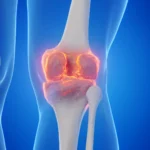
The hips are designed for multi-directional movement. They are responsible for extending the legs, facilitating lateral (sideways) movement, stabilizing the pelvis, and maintaining equilibrium when we balance on a single leg. When we remain sedentary for long periods, the hip flexors tighten, and the gluteal muscles—the largest and most powerful muscles in the body—begin to weaken from disuse.
This decline is not merely an aesthetic issue; it is a clinical concern. Weak hips are the primary precursor to gait instability, increased fall risk, and chronic lower back pain. When the hips cannot effectively stabilize the pelvis, the lumbar spine is often forced to compensate, leading to discomfort and reduced physical capacity.
The Shift Toward Functional, Accessible Training
The paradigm of strength training for seniors is shifting away from isolated machine work toward functional, chair-based movements. By utilizing a chair, individuals can eliminate the "balance anxiety" that often prevents them from exercising effectively. This approach allows for focused muscle recruitment, ensuring that the target areas—the glutes, hip flexors, and abductors—are engaged without the risk of overexertion or accidental falls.
By training the hips through their full range of motion while seated, we can rebuild the structural integrity necessary to navigate the demands of daily life. The following five exercises represent a comprehensive, low-impact regimen designed to reverse sedentary decline.
1. Seated Knee Drives: Mastering Hip Flexion
The hip flexors are the muscles that lift your leg during the gait cycle. If these muscles are weak, your stride shortens, and you are more likely to trip over slight unevenness in the ground.
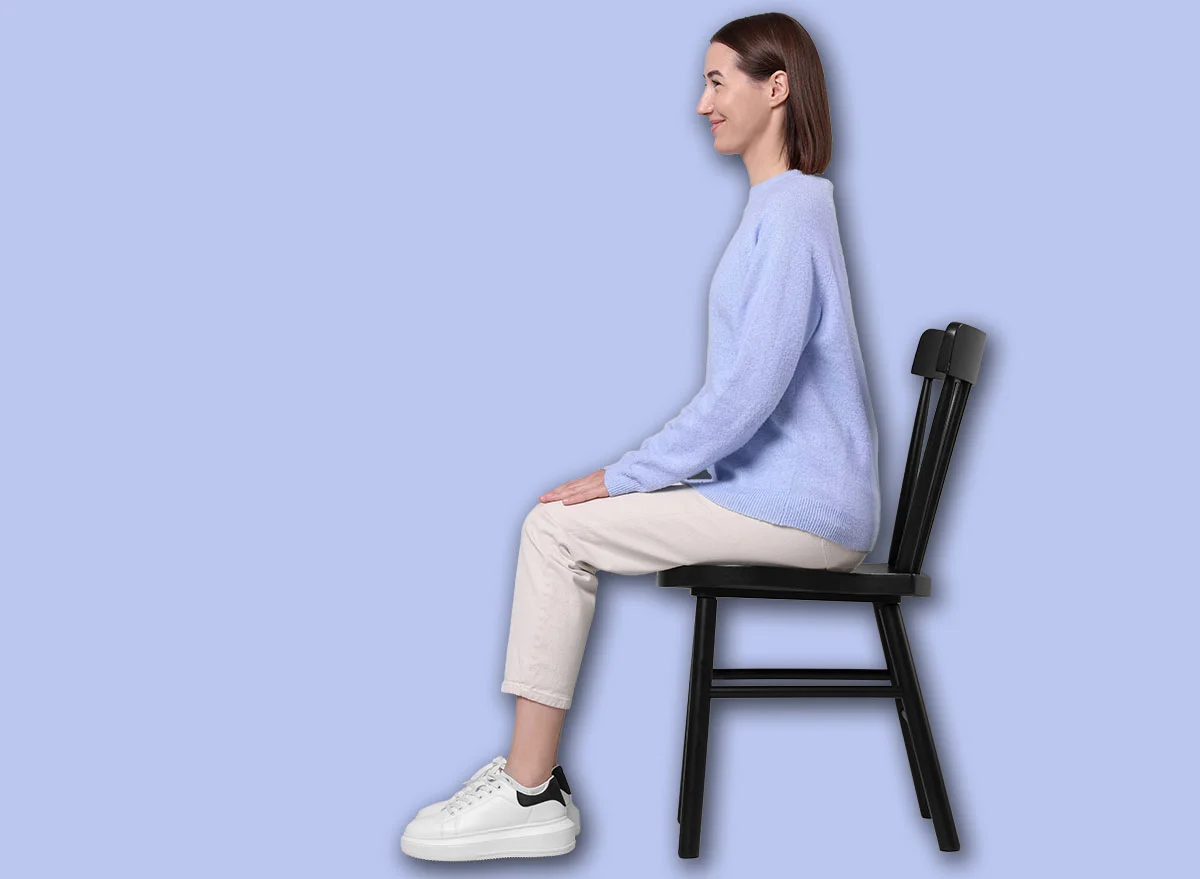
- The Technique: Sit tall in a sturdy chair, keeping your spine neutral and your core engaged. Without leaning backward or using your upper body for momentum, lift one knee toward your chest in a controlled, fluid motion. Hold for a second at the peak, then slowly lower.
- Why It Matters: By isolating the movement, you eliminate the need to balance, allowing the neural pathways to "re-learn" how to contract the flexor muscles efficiently. This is the foundation of a confident, high-stepping gait.
2. Seated Hip Abductions: Enhancing Pelvic Stability
Hip abductors—located on the outer hip—are the unsung heroes of balance. They prevent the pelvis from "dropping" when you stand on one leg. If these are weak, you may develop a "waddling" gait, which is a significant indicator of fall risk.
- The Technique: Using a resistance band looped around your thighs, sit with your feet hip-width apart. Slowly push your knees outward against the band’s resistance. Crucially, focus on the return phase. Do not let the band snap your knees back together; use a five-second count to control the inward movement.
- Pro Tip: Turning the knees slightly inward before starting the outward drive can help better isolate the outer glute muscles.
3. Seated Hip March with Resistance: The Dynamic Challenge
Once standard knee drives feel easy, it is time to add resistance. Using a band around the thighs creates a constant tension that forces both the core and the hip flexors to work in tandem.
- The Technique: Place a resistance band around your thighs just above the knees. Proceed with the knee drive motion, alternating legs.
- The Benefit: This exercise teaches the pelvis to remain rock-steady even while the legs move independently. This mimics the exact stabilization required when stepping over a curb or getting into a car.
4. Chair-Supported Hip Extensions: Powering the Glutes
The glutes are the primary engines for propulsion. If your glutes are dormant, your hamstrings and lower back are forced to take the brunt of the work, which often leads to injury.
- The Technique: Stand behind your chair, holding the backrest for support. Keeping your torso perfectly upright—avoiding the urge to arch your back—extend one leg backward, squeezing the glute at the peak of the motion.
- Clinical Insight: Because you are supported by the chair, you can focus entirely on the mind-muscle connection. Ensure the movement originates from the hip joint, not the lumbar spine.
5. Chair Sit-to-Stands: The Gold Standard of Functionality
There is no movement more important to longevity than the ability to stand up from a seated position. It combines hip extension, core recruitment, and lower-body stability.
- The Technique: Sit at the edge of your chair. Drive through your heels, squeeze your glutes, and push your hips forward until you are standing tall. Lower yourself back down with a slow, controlled count.
- The Result: As you master this, you will find that stairs, long walks, and getting out of low seats become effortless. It is the ultimate test of functional hip health.
Supporting Data: Why Consistency Trumps Intensity
Research in geriatric health consistently shows that consistency is the primary driver of success in strength training after 65. A study published in the Journal of Aging and Physical Activity noted that seniors who engaged in low-impact, resistance-based movements three times a week saw a 15% increase in lower-body functional strength within twelve weeks.
The "chair-based" model works because it removes the intimidation factor. Many older adults avoid exercise because they fear the gym environment or the complexity of machines. By bringing the gym to the living room, compliance rates skyrocket.
Implications for Daily Living
The goal of this regimen is not to prepare for a bodybuilding competition; it is to secure your independence. When your hips are strong, your world expands. You can travel, garden, play with grandchildren, and navigate public spaces without the fear of falling or the exhaustion of limited mobility.
The implications for long-term health are profound. Stronger hips correlate with a reduced risk of osteoporosis, improved metabolic health (due to the high muscle density of the glutes), and a significant reduction in chronic joint pain.
A Note from the Expert
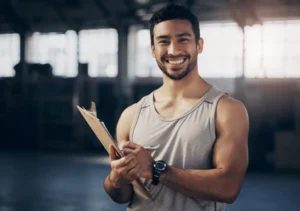
Tyler Read, a certified personal trainer with 15 years of experience, emphasizes that it is never too late to start. "I have worked with countless clients over 65 who felt their physical best days were behind them," says Read. "The reality is that your muscles are highly adaptable, even into your 70s and 80s. By starting with these simple, chair-based movements, you are not just exercising; you are reclaiming your ability to move through the world with confidence and dignity."
Summary Checklist for Success
- Safety First: Always use a chair that is sturdy and on a non-slip surface.
- Frequency: Aim for 3 sets of 10–12 repetitions for each exercise, performed 3 to 4 times per week.
- Mindful Movement: Never sacrifice form for speed. If you feel pain in the lower back, adjust your posture to ensure the hips are doing the work.
- Progressive Overload: Once an exercise feels comfortable, use a slightly stronger resistance band or increase the time under tension.
By dedicating just 20 minutes a day to these five movements, you are investing in the most important asset you possess: your ability to stay active, independent, and strong for years to come.