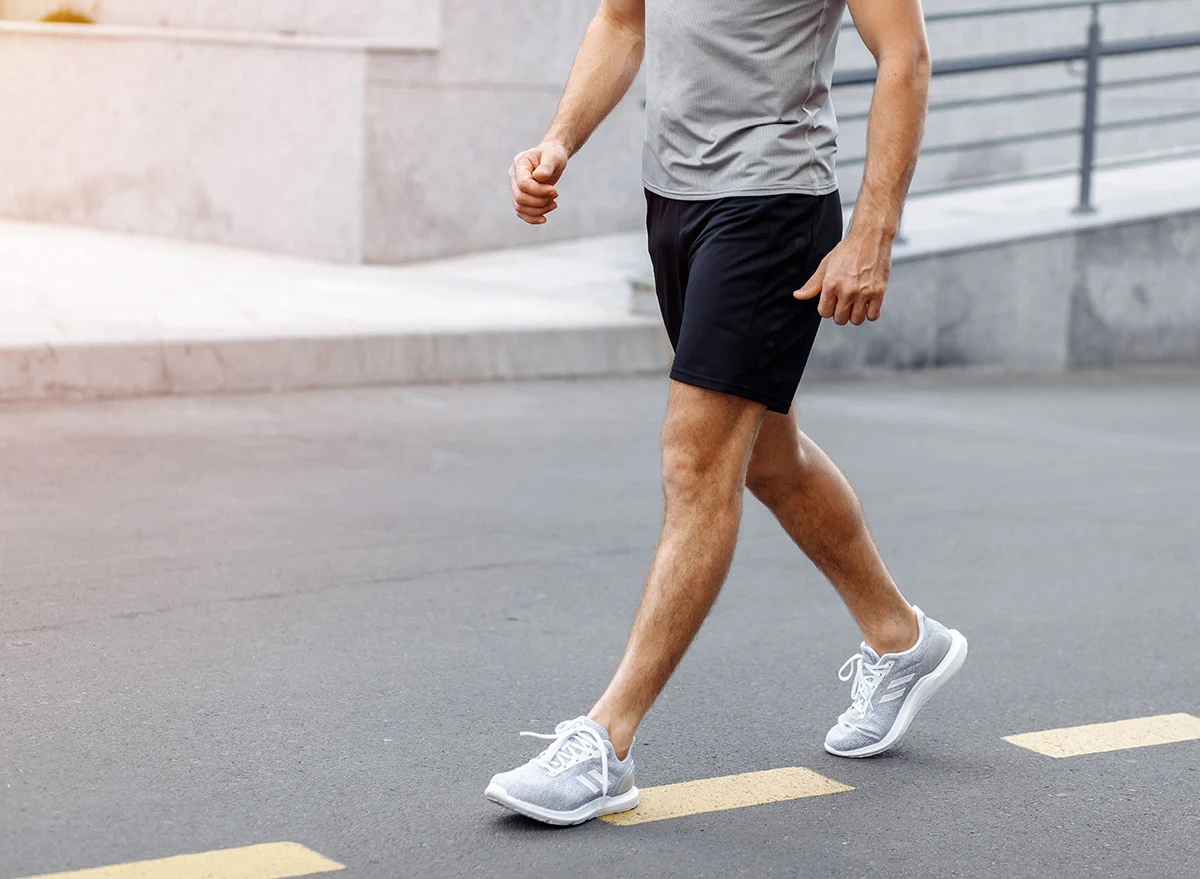
As we navigate the decades, the silent erosion of muscle mass—clinically known as sarcopenia—becomes an increasingly significant factor in our overall health. For those over the age of 60, the strength in your legs is not merely a matter of athletic vanity; it is the cornerstone of independence, mobility, and functional longevity. When leg strength wanes, simple tasks like rising from a sofa, climbing a flight of stairs, or carrying groceries can shift from effortless habits to daunting challenges.
However, the human body remains remarkably adaptive at any age. Research consistently demonstrates that with targeted, consistent movement, it is entirely possible to halt, and even reverse, the gradual decline in lower-body power. By integrating a concise, morning-focused exercise routine into your daily life, you can fortify your foundation, improve your balance, and reclaim the confidence that comes with a steady gait.
The Physiology of Strength: Why Your Legs Need Attention Now
Leg strength serves as the "engine" of the human body. It keeps us upright, dictates our balance, and determines our energy expenditure during daily life. Unfortunately, the modern lifestyle often encourages prolonged periods of sitting, which acts as a catalyst for muscle atrophy in the glutes, quadriceps, and hamstrings.
When these muscle groups are neglected, the kinetic chain—the way your joints and muscles work together—begins to misfire. Your knees and lower back are forced to compensate for weak hip stabilizers, often leading to chronic discomfort and a diminished sense of stability. The goal of a morning movement routine is to "wake up" these neural pathways, reminding your muscles how to engage efficiently before the demands of the day begin.
Chronology of Progress: Building a Sustainable Routine
Consistency is the primary driver of physical improvement in the seventh decade and beyond. You do not need a gym membership or heavy iron to see results; you simply need to dedicate 15 minutes each morning to these fundamental movement patterns.
1. Air Squats: The Foundation of Independence
The air squat is the quintessential functional movement. It mirrors the act of sitting down and standing up, a motion you perform dozens of times daily. By practicing squats with precision, you are essentially training your body to perform better in real-world scenarios.
- The Technique: Stand with feet shoulder-width apart. As you descend, push your hips back as if sitting into an invisible chair, keeping your chest upright. Aim for a depth that is comfortable for your current mobility.
- The Benefit: Squats recruit the quadriceps, glutes, and hamstrings simultaneously, promoting joint health in the knees and ankles.
- Pro Tip: Do not fear the knees tracking over the toes; this is a natural part of human biomechanics. Focus on keeping your weight evenly distributed across your feet.
2. Glute Bridges: Awakening the Powerhouse
Prolonged sitting effectively "shuts off" the glutes. The glute bridge is the most efficient way to reactivate these large, powerful muscles.
- The Technique: Lie on your back with knees bent and feet flat on the floor. Drive through your heels to lift your hips toward the ceiling, squeezing your glutes at the top. Avoid arching your lower back.
- The Benefit: By isolating the glutes, you relieve the strain on your lower back and knees, which are often overworked due to weak hip extensors.
3. Bodyweight Good Mornings: Mastering the Hinge
The hinge is the most overlooked movement pattern, yet it is essential for spinal health. The Good Morning teaches your body to bend at the hips rather than the waist.
- The Technique: Stand with feet hip-width apart, hands behind your head. With a slight bend in your knees, push your hips backward while keeping your back perfectly flat. Lower your torso until you feel a gentle stretch in your hamstrings, then return to standing.
- The Benefit: This strengthens the posterior chain—the back of the legs—which is vital for lifting objects safely and maintaining a healthy posture.
4. Walking Lunges: Dynamic Stability
While squats and bridges are stationary, walking lunges introduce a dynamic element that challenges your coordination.
- The Technique: Step forward into a lunge, ensuring both knees form roughly 90-degree angles. Keep your torso upright and your core engaged.
- The Benefit: By requiring each leg to work independently, lunges expose and correct muscle imbalances, drastically improving your walking gait and balance.
5. Lateral Lunges: The Multi-Planar Approach
We spend most of our lives moving forward and backward. Lateral, or side-to-side, movement is essential for agility and injury prevention.
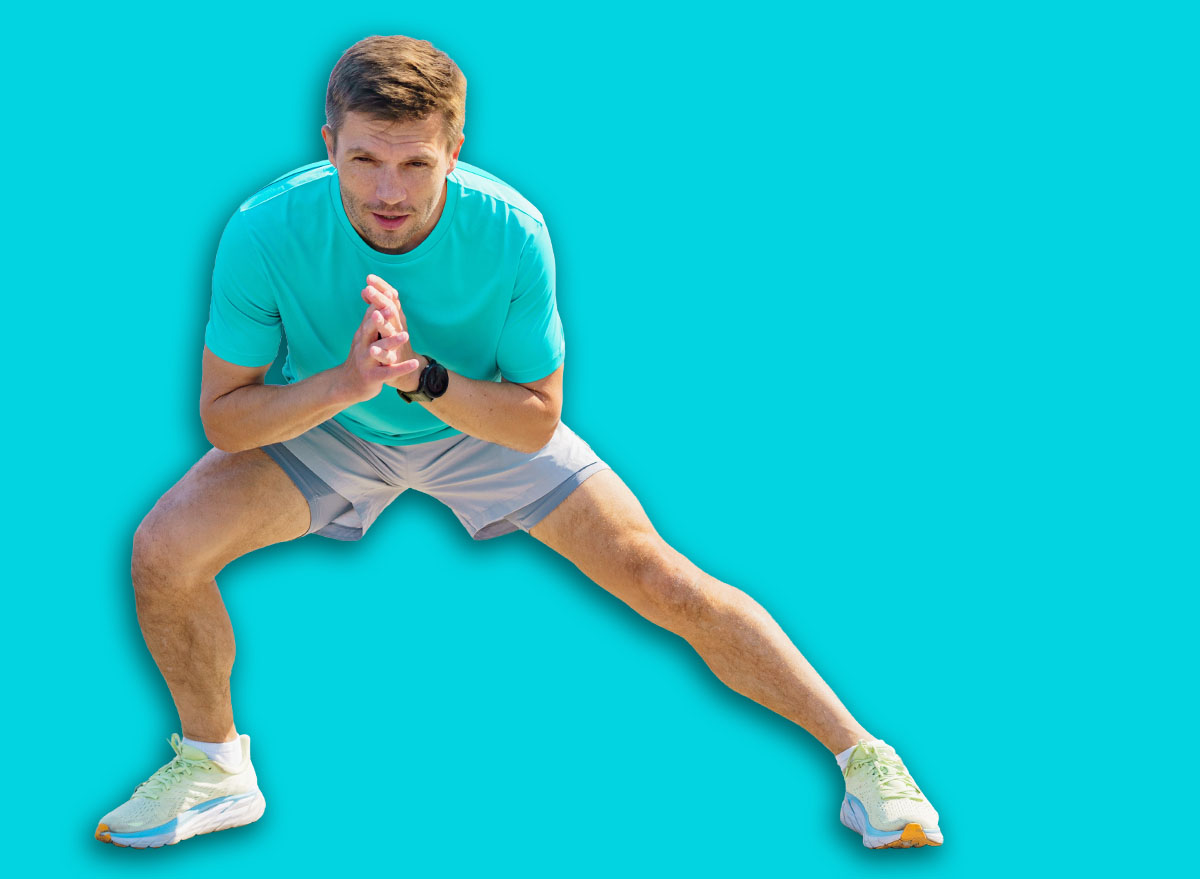
- The Technique: Take a wide step to the side, shifting your weight onto that leg while keeping the other leg straight. Sit your hips back and down.
- The Benefit: This targets the adductors (inner thighs) and glute medius, muscles that provide lateral stability—a key factor in preventing falls.
Supporting Data: What the Science Says
Recent studies published in journals such as The Journals of Gerontology confirm that resistance training, even when performed at home, significantly increases muscle fiber diameter in older adults. Furthermore, data from the National Institute on Aging highlights that leg strength is a primary predictor of "healthspan"—the number of years spent in good health.
Clinical observations suggest that after just four to six weeks of consistent training, participants report a 20% to 30% increase in perceived mobility. These improvements are not just muscular; they are neurological, as the brain becomes more efficient at recruiting muscle fibers to perform these movements.
Official Perspectives: Expert Consensus
Physical therapists and geriatric exercise specialists unanimously agree that the "use it or lose it" principle is not a myth—it is a physiological reality. However, they emphasize the importance of "movement quality over quantity."
"It is better to do five perfect, controlled repetitions than fifty sloppy ones," says Dr. Elena Vance, a leading expert in musculoskeletal health for seniors. "When you move with intention, you are not just building muscle; you are retraining your nervous system to respond to the environment safely."
Official guidelines from major health organizations recommend at least 150 minutes of moderate activity per week, but they increasingly stress that strength-based movements should be a distinct part of that routine. For those over 60, this means two to three sessions of leg-focused work per week is the minimum threshold to see significant, life-altering improvements.
The Broader Implications: Independence and Quality of Life
The implications of rebuilding leg strength extend far beyond the morning workout. When your legs are strong, you regain the freedom to travel, to play with grandchildren, and to navigate uneven terrain without fear.
The fear of falling is a major psychological barrier for many seniors. By mastering these five movements, you are systematically dismantling that fear. A strong lower body provides the physical evidence that you are capable and secure. As your strength returns, you will likely find that your energy levels increase, your sleep improves, and your metabolic health stabilizes.
A Roadmap for Success
To integrate this into your life:
- Start Small: If you are new to these exercises, begin with just one set of five repetitions.
- Monitor Your Progress: Keep a simple journal of your reps and sets.
- Listen to Your Body: Mild muscle soreness is a sign of adaptation; sharp or stabbing pain is a sign to stop and consult a professional.
- Prioritize Nutrition: Muscles require protein to rebuild. Ensure your diet includes adequate protein sources, such as lean meats, legumes, or dairy, to support your efforts.
Ultimately, the journey to stronger legs is a journey toward a more vibrant and independent future. By choosing to dedicate a few minutes each morning to these fundamental movements, you are investing in the most important asset you possess: your ability to move through the world with strength, grace, and confidence.