In the modern era, the "tech-neck" phenomenon and the sedentary nature of desk-bound work have created a silent epidemic: the gradual, almost imperceptible erosion of our physical alignment. While poor posture is rarely the result of a single day’s actions, the cumulative effect of years spent hunched over steering wheels, staring at smartphone screens, and tethered to computer workstations takes a toll that becomes increasingly difficult to ignore after age 50.
As we cross the half-century mark, our bodies undergo biological shifts—including a natural decline in muscle mass, known as sarcopenia, and an inevitable increase in joint stiffness. When these physiological changes intersect with long-term postural habits, the result is often rounded shoulders, a persistent forward-head tilt, chronic back discomfort, and a pervasive feeling of rigidity. However, the path to a more upright, confident posture does not require expensive clinical interventions or specialized equipment. It requires a strategic, consistent approach to strengthening the very muscles that hold us upright.
The Science of Alignment: Why Passive Fixes Fail
For many, the quest for better posture begins with passive solutions: back braces, ergonomic chairs, or occasional chiropractic adjustments. While these tools can offer temporary relief, they rarely provide a long-term cure. True, sustainable postural improvement is an active process.
According to fitness expert Tyler Read, BSc, CPT, lasting change stems from building the musculature necessary to support the body’s skeletal frame. "Strong upper-back muscles, stable shoulders, mobile hips, and an engaged core work in concert to maintain an upright position throughout the day," Read explains. Without targeted strength training, the body inevitably drifts back into its habitual, slouching patterns. By prioritizing bodyweight movements that emphasize muscle engagement and proprioception—the body’s ability to sense its position in space—individuals over 50 can effectively "reset" their posture.
Chronology of Postural Decay
To understand how to fix our posture, we must acknowledge how it declines over time. The "postural descent" generally follows a predictable trajectory:
- Phase 1: The Sedentary Foundation (Ages 20–40): Years of sustained sitting at desks lead to the tightening of the hip flexors and the weakening of the posterior chain (the muscles along the back of the body).
- Phase 2: The Structural Shift (Ages 40–50): Increased screen time exacerbates the "forward head" position. The muscles between the shoulder blades (the rhomboids and trapezius) begin to lose their endurance, failing to pull the shoulders back into a neutral position.
- Phase 3: The Manifestation (Age 50+): Sarcopenia accelerates. Joint lubrication decreases, and the cumulative impact of decades of poor alignment results in noticeable kyphosis (rounding of the upper back) and persistent, low-level pain.
The Five Pillars of Postural Restoration
The following five bodyweight exercises are designed to counteract these decades of decline. By focusing on form rather than intensity, practitioners can rebuild the foundation of their skeletal support system.
1. Wall Angels: The Alignment Benchmark
Wall angels serve as the gold standard for restoring shoulder mobility. By pressing your back, head, and arms against a wall, you force the body to recognize the "neutral" position that gravity usually denies us.
- Why it works: It engages the thoracic extensors—the muscles that prevent the upper back from curving forward.
- Execution: Stand with your back flat against a wall, feet a few inches away. Raise your arms to a "goalpost" position (elbows bent at 90 degrees). Slowly slide your arms up and down, keeping your wrists, elbows, and back in constant contact with the wall.
2. Bird Dogs: Core-Spine Integration
The Bird Dog is a masterclass in anti-rotation. It requires the deep core stabilizers—the transversus abdominis and multifidus—to fire while the extremities move.
- Why it works: It teaches the spine to remain rigid and protected while the arms and legs move independently, a crucial skill for preventing back strain during daily reaching or lifting tasks.
- Execution: From a tabletop position on your hands and knees, simultaneously extend your right arm forward and your left leg backward. Keep your hips level and your gaze toward the floor. Hold for two seconds before switching sides.
3. Glute Bridges: The Pelvic Anchor
The glutes are the largest muscles in the body, and their weakness is a primary driver of lower-back pain. When the glutes are dormant, the pelvis often tilts forward (anterior pelvic tilt), forcing the lower back to compensate.
- Why it works: By strengthening the glutes, you provide a stable base for the pelvis, which allows the spine to stack properly.
- Execution: Lie on your back with knees bent and feet flat. Drive through your heels to lift your hips toward the ceiling, squeezing your glutes at the top. Avoid arching your lower back; ensure the lift comes from the hips.
4. Standing Shoulder Blade Squeezes: Retraining the Back
The muscles between the shoulder blades (the scapular retractors) are often neglected. When they are weak, the shoulders naturally rotate forward, contributing to a "collapsed" chest.
- Why it works: This is an isometric exercise that builds endurance in the upper-middle back, helping you hold your shoulders back even when you aren’t thinking about it.
- Execution: Stand tall with arms at your sides. Pull your shoulder blades down and together, as if trying to hold a pencil between them. Hold for five seconds, release, and repeat.
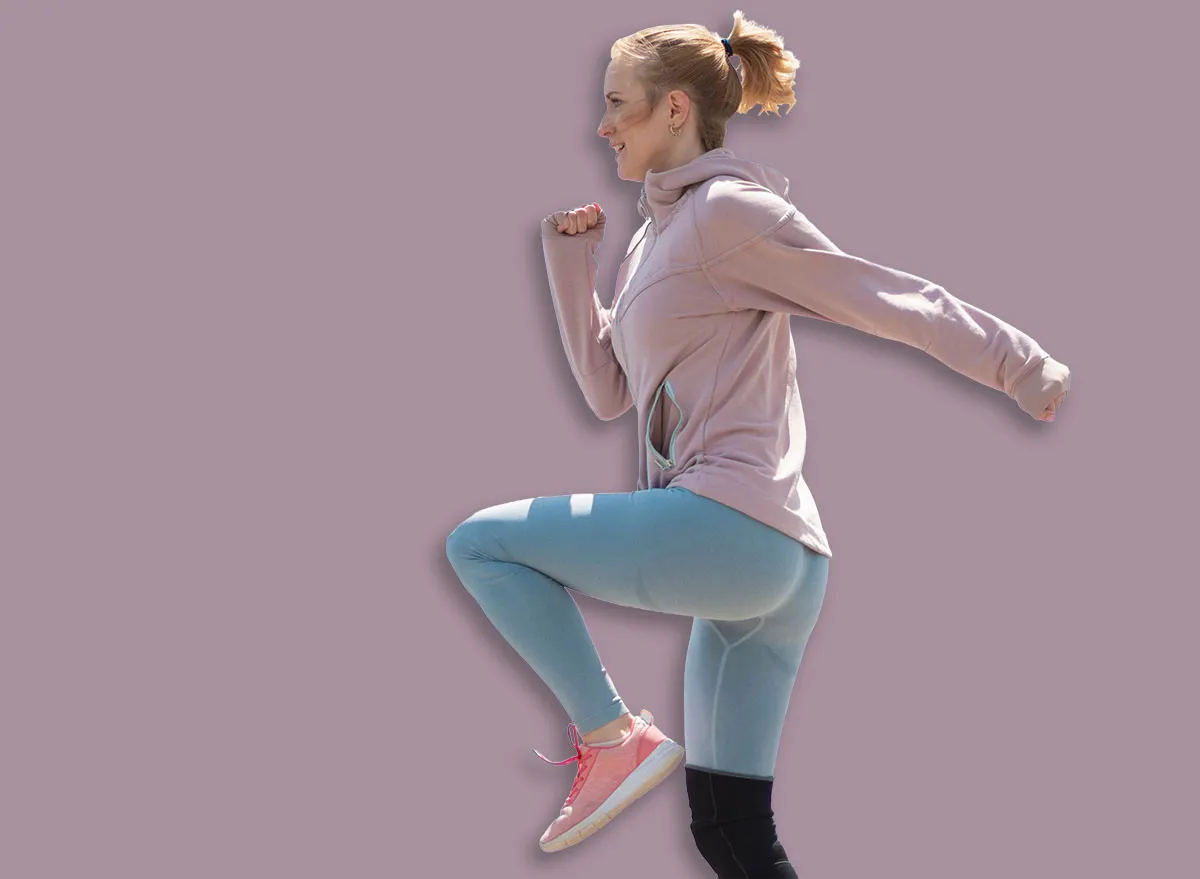
5. Standing Marches: Functional Stability
Standing marches bridge the gap between static exercise and dynamic movement. They challenge your balance while ensuring that your core remains braced.
- Why it works: It forces the body to maintain vertical alignment under the challenge of unilateral weight shifting, which is exactly what happens during every step you take while walking.
- Execution: Stand tall, engaging your core. Slowly lift one knee to hip height, pause to stabilize, and lower it back down. Alternate sides, focusing on keeping the torso perfectly still throughout the movement.
Supporting Data: The Impact of Strength Training After 50
Recent longitudinal studies in geriatric physical therapy suggest that bodyweight-based strength training is highly effective for adults over 50 because it minimizes the risk of injury while maximizing functional output. Unlike heavy weightlifting, which can strain aging joints, these bodyweight movements emphasize muscle activation patterns that are directly transferable to daily living.
Data from the American Council on Exercise indicates that individuals who incorporate consistent scapular and core stabilization exercises report a 30% reduction in chronic upper-back pain within 12 weeks. Furthermore, improved core engagement is directly linked to better balance, reducing the risk of falls—a primary health concern for the aging population.
Implications for Long-Term Health
The implications of improving your posture extend far beyond aesthetics. An upright frame allows for better lung expansion, which improves oxygenation throughout the body. It reduces the mechanical stress on the cervical and lumbar spine, effectively "future-proofing" your back against degenerative disc issues.
Perhaps most importantly, improved posture is linked to increased confidence and mood. When the chest is open and the spine is lengthened, the body signals to the brain that it is in a position of strength rather than a position of retreat.
Conclusion: Consistency is the Cure
There is no "quick fix" for decades of physical neglect. However, the human body is remarkably adaptable. By dedicating just 15 minutes a day to these five movements, you can begin to undo the structural damage of the past. Start slow, focus on the quality of each repetition, and listen to your body. Over time, you will find that "standing tall" is no longer a conscious effort—it becomes your new, natural state of being.