






In the landscape of modern medicine, few conditions are as misunderstood—and as shrouded in stigma—as substance use disorder (SUD). For decades, the cultural narrative surrounding addiction has been dominated by the imagery of the “rock bottom”: a life stripped bare of employment, relationships, health, and dignity. However, a growing body of clinical evidence and a shift in advocacy are challenging this dangerous trope. Experts, including former Manhattan prosecutor Susan Broderick, are now arguing that waiting for a total life collapse is not only unnecessary but often fatal.
By redefining what constitutes a “bottom,” the recovery community is shifting the focus from crisis intervention to early prevention, suggesting that one does not need to lose everything to decide that their life is worth changing.
The Reality of Recovery: Data and Demographics
While the public perception of addiction often leans toward the catastrophic, the statistical reality is far more optimistic. In the United States, approximately 22.35 million adults—roughly 9.1% of the population—have successfully resolved a substance use problem. Unlike many chronic psychiatric or physical illnesses, SUD has a remarkably high prognosis for success. Research indicates that between 42% and 66% of individuals struggling with substance use achieve full, sustained remission.
Despite these encouraging figures, a significant portion of the population continues to suffer in silence. These individuals often fall outside the reach of traditional surveys and clinical data, largely because they are trapped in a state of high-functioning denial. Because they have not yet faced the stereotypical consequences of addiction—such as incarceration, homelessness, or job loss—they mistakenly conclude that their substance use is not a clinical issue.
This creates a paradox: the more an individual manages to "function" in their professional and social lives, the longer they can rationalize their behavior, thereby delaying the very intervention that could prevent a future decline.
A Chronology of Denial: From High-Functioning to Reckoning
The trajectory of an untreated substance use disorder is rarely a straight line downward; it is a slow, insidious erosion of potential. For many high-functioning professionals, the timeline of denial often follows a predictable pattern:
- The Rationalization Phase: Individuals begin to use substance use as a coping mechanism for the pressures of high-stress careers. They point to their accomplishments—a promotion, a stable income, or a lack of legal entanglements—as “proof” that they are not addicted.
- The Preservation Phase: As the habit grows, the individual exerts immense energy to maintain the appearance of normalcy. They may avoid morning drinking or public intoxication, focusing instead on "private" substance use to manage anxiety or fatigue.
- The Diminishing Returns Phase: The individual notices that while they are still "functioning," they are no longer thriving. Remorse, shame, and declining physical health begin to replace the joy they once found in their work and hobbies.
- The Turning Point: This is the moment of crisis. For some, it is a significant professional error; for others, it is the disintegration of a marriage or the internal realization that they are living a life devoid of their own core values.
Susan Broderick, who spent years as an Assistant District Attorney in Manhattan, recalls her own experience with this cycle. Despite holding a high-stakes position in the legal system, she lived in a state of perpetual fear and self-deception. Her "bottom" was not a public scandal or a firing; it was the quiet, painful realization that she was failing to become the woman she had once aspired to be.
Supporting Data: Why "Functioning" Is Not Enough
The term "functioning" is often used as a shield by those struggling with addiction, yet it is a clinical misnomer. To be "functioning" simply means the machinery of one’s life is still operating, but it does not account for the loss of internal capacity.
A critical study in the field suggests that the goal of recovery is not merely symptom reduction but "transcendence"—a state often referred to as "better than well." When individuals move beyond the active phase of addiction, they often report a level of self-awareness and quality of life that exceeds their baseline prior to the development of the disorder.
Furthermore, the data challenges the necessity of formal, long-term intervention for everyone. A national study published in the Journal of Substance Abuse Treatment found that over 50% of those in recovery achieved success without any formal, clinical services. This suggests that the most critical factor in recovery is not necessarily the setting, but the individual’s internal decision to establish a new threshold for what they are willing to accept.
Professional and Clinical Perspectives
The medical community has shifted its approach to align with the concept of "raising the bottom." Organizations such as Young People in Recovery and collegiate recovery programs have dismantled the old-guard belief that one must hit a "street-level" bottom before seeking help.
Clinical experts emphasize that addiction is a progressive condition. If left unaddressed, the "functioning" individual is almost guaranteed to experience a decline in quality of life. The challenge for healthcare providers is to provide early screening that doesn’t rely on the patient’s willingness to self-identify as an "addict"—a term that carries heavy, often counterproductive, societal weight.
By shifting the conversation from "Are you an alcoholic?" to "Is your substance use interfering with your potential?" providers can open the door for earlier, less invasive interventions. This person-centered approach acknowledges that the severity of the disorder is not solely defined by external losses, but by the internal erosion of the self.
Implications: Changing the Cultural Narrative
The implications of this shift in thinking are profound. If we continue to hold up the "bottom" as a prerequisite for recovery, we are essentially telling those who are still holding their lives together that their suffering is not valid.
The Empowerment of Choice
Perhaps the most significant finding in modern recovery science is that the "bottom" is a subjective threshold. An individual can decide, at any moment, that the "straw that breaks the camel’s back" is a lack of sleep, a feeling of persistent shame, or a desire for better relationships. When we empower people to choose their own point of departure, we remove the fear of shame and replace it with the agency of change.
The "Better Than Well" Standard
Recovery should not be viewed as a return to a stagnant status quo. Instead, it should be viewed as an opportunity for growth. The resilience required to overcome substance use often translates into higher levels of emotional intelligence, professional focus, and interpersonal depth. Those who seek help before their lives are dismantled often find that the recovery process provides them with tools they never would have accessed otherwise.
A Call to Action
Ultimately, seeking help is not an admission of defeat; it is an act of supreme courage. For those currently struggling, the message is clear: You do not need to wait for a disaster to justify your decision to change. You do not need to lose your job, your reputation, or your family to earn the right to a healthier life.
The "bottom" is wherever you decide to stop digging. By choosing to address these issues sooner rather than later, individuals can reclaim their potential and move toward a life that is not just "functional," but truly flourishing.
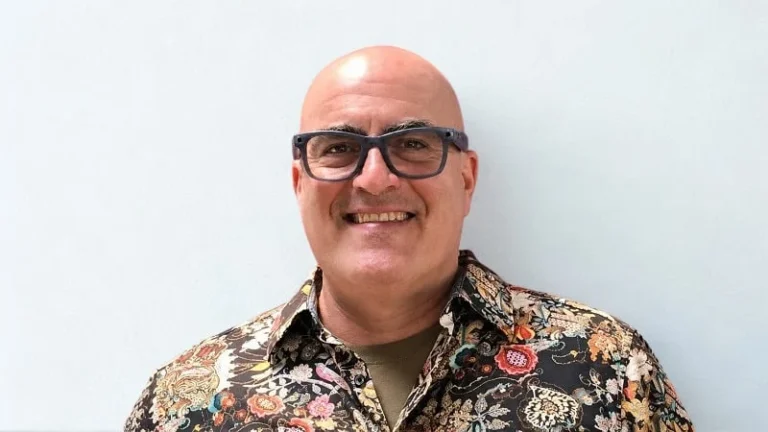
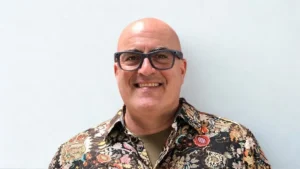
Susan Broderick, J.D., is the Founder and CEO of Building Bridges to Recovery. Her work continues to bridge the gap between legal expertise and clinical recovery, advocating for policies and cultural shifts that make sobriety more accessible and less stigmatized.