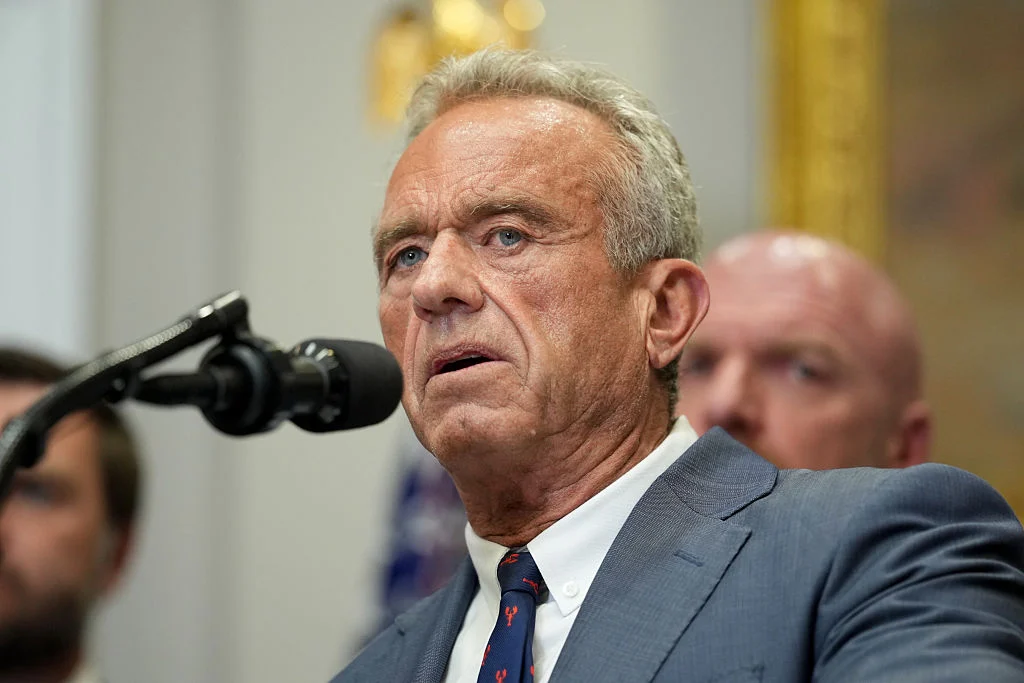
In a move that signals a profound shift in the oversight of American preventive medicine, Health and Human Services (HHS) Secretary Robert F. Kennedy Jr. announced the appointment of eight new members to the U.S. Preventive Services Task Force (USPSTF) this past Thursday. The appointments effectively complete the 16-member volunteer panel, ending a period of administrative turbulence that had left the influential body significantly understaffed and politically vulnerable.
The USPSTF serves as the nation’s gold standard for evidence-based preventive health guidelines. Its recommendations—ranging from cancer screening protocols to behavioral counseling and medication adherence—dictate the standard of care for millions of Americans. Under the Affordable Care Act (ACA), these recommendations carry the force of law; private insurers are mandated to cover any preventive service graded an "A" or "B" by the panel without cost-sharing. Given this immense influence, the composition of the task force is rarely a neutral matter, but the latest overhaul represents one of the most contentious transitions in the panel’s four-decade history.
A Legacy of Guidance: Understanding the USPSTF
Founded more than 40 years ago, the USPSTF was established to bring a rigorous, systematic, and independent scientific lens to the murky waters of preventive care. Composed of volunteer experts—physicians, epidemiologists, and health economists—the task force evaluates the latest medical literature to determine which screenings and interventions are truly beneficial to the population.
The panel’s power was codified in 2010 through the Affordable Care Act. By requiring insurers to fully cover services with an "A" or "B" rating, the ACA transformed the USPSTF from an advisory body into a de facto gatekeeper for federal and private health insurance coverage. This legislative mandate ensured that preventive care—the bedrock of public health—was not subject to the financial whims of the insurance industry. However, it also made the task force a perennial target for political maneuvering, as every recommendation has significant economic consequences for providers, patients, and payers.
Chronology of Conflict: The Road to the New Slate
The recent appointments arrive against a backdrop of mounting friction between Secretary Kennedy’s office and the legacy structure of the USPSTF. The path to this current, fully staffed panel has been marked by high-profile dismissals and significant gaps in leadership.
- The "Woke" Allegations: Throughout last year, reports surfaced indicating that Secretary Kennedy harbored deep-seated skepticism toward the task force, reportedly labeling its existing membership as being too focused on "woke" ideology rather than strictly clinical outcomes.
- The Purge: The tension reached a breaking point four months ago when Kennedy dismissed vice chairs John Wong and Esa Davis. The move triggered an immediate outcry from major medical organizations, who viewed the dismissal as a politically motivated attack on the panel’s independence.
- Attrition and Vacancies: Following the dismissals, the panel entered a period of instability. Five other members saw their terms expire without immediate replacement, and the previous chair stepped down, leaving the task force operating at a diminished capacity.
- The Reset: The announcement this Thursday is the culmination of this period of flux, with Kennedy installing a new leadership team, headed by Dr. Seth Corey, a pediatric hematologist-oncologist at the Cleveland Clinic.
New Leadership and the Shift in Expertise
The new roster reflects a significant pivot in the professional composition of the task force. Alongside Dr. Corey, the incoming members include:
- Pediatrician Patrick Hunter
- Cardiologist Ronald Karlsberg
- Preventive-Cardiology Professor Venkatesh Murthy
- Health Economist Stephen Parente
- Family Physician Goldie Stands-Over-Bull
- Gastroenterologist Louis Wilson
- Radiologist Dennis Wulfeck
The inclusion of specialists like radiologist Dennis Wulfeck and cardiologist Ronald Karlsberg suggests a shift toward a membership that may prioritize different modalities of screening and intervention compared to the previous, more primary-care-heavy cohorts.
Official Responses and The "Scientific Rigor" Debate
Secretary Kennedy defended the appointments as a necessary evolution for the panel. In a statement released on Thursday, he emphasized that the objective was to "strengthen the task force’s scientific rigor."
"These appointments will ensure the task force asks the hard questions, follows the evidence wherever it leads, and maintains the highest standards of scientific integrity," Kennedy stated. By framing the change as an upgrade to "rigor," the Secretary appears to be positioning the new members as a check against what he perceives as the potential for bias or complacency in the established scientific community.
However, the medical establishment has met this change with palpable apprehension. The American Medical Association (AMA) issued a measured but firm response, characterizing the new additions as a "significant departure" from the panel’s traditional membership. The AMA emphasized that while the task force must remain dynamic, the voice of primary care physicians—those who provide the bulk of preventive services—must remain central.
"The task force’s recommendations must continue to be based on a transparent, rigorous, independent scientific process," the AMA wrote in its official statement. "This process must be informed by the perspective of physicians who deliver preventive care to patients every day, ensuring that guidelines remain practical and patient-centered."
Implications for the Future of American Healthcare
The implications of this overhaul are profound and will likely manifest in three key areas:
1. Shifts in Preventive Guidelines
With a new chair and a influx of specialists, the USPSTF may re-evaluate existing "A" and "B" grade recommendations. If the new panel adopts a more skeptical view of certain screenings—or conversely, pushes for new ones—it could force a massive reallocation of healthcare spending. For example, any change in screening frequency for cardiovascular disease or cancer would immediately alter insurance coverage requirements for millions of patients.
2. The Battle for Scientific Independence
The core of the current conflict is a fundamental disagreement over what constitutes "scientific integrity." For many in the medical community, independence means insulation from political pressure. For Secretary Kennedy, the term appears to imply a willingness to challenge established consensus. If the task force is perceived to be acting as an arm of the executive branch rather than an independent scientific body, it risks losing the trust of the clinicians who implement its guidelines.
3. Legal and Legislative Fallout
Because the ACA ties insurance coverage to USPSTF ratings, any radical change in policy could trigger legal challenges. If the task force suddenly drops a recommendation for a common screening, insurers might attempt to discontinue coverage, leading to potential lawsuits from patient advocacy groups and providers who argue that the task force’s process has become politicized.
Conclusion: A New Era for Preventive Health
The appointment of the new USPSTF members represents more than just a personnel change; it is a signal that the federal government is moving toward a more assertive role in shaping medical guidelines. As the new members begin their tenure, the healthcare industry will be watching closely to see whether the panel maintains its commitment to independent, evidence-based science or if it begins to reflect the priorities of the administration that appointed it.
For the average patient, the immediate impact may be minimal. However, the long-term ripple effects on what tests are covered, what counseling is prioritized, and what medications are deemed essential will be felt in every doctor’s office across the country. As the dust settles on this controversial transition, the fundamental question remains: can a task force designed to provide objective, clinical guidance survive in an era of intense political polarization? The answer will define the future of American preventive medicine for the next decade.