









The field of respiratory therapy (RT) is currently undergoing a transformative period. From the frontlines of military medicine and high-stakes flight transport to the foundational development of new academic programs and international excellence, respiratory therapists are proving themselves to be the indispensable backbone of modern healthcare.
Recent media coverage has highlighted the diverse and critical contributions of American Association for Respiratory Care (AARC) members. Whether they are securing financial support for the next generation of practitioners, performing heroic feats in emergency flight scenarios, or leading community-based philanthropic efforts, these professionals are defining the future of cardiopulmonary care.
The Academic Frontier: Cultivating the Next Generation
A central pillar of the AARC’s mission is the support and development of educational pathways. Recent developments in Pennsylvania and Louisiana underscore a growing national recognition of the need for robust respiratory care training.
Strengthening Institutional Partnerships
In Pennsylvania, Mercyhurst University has taken a proactive step toward stabilizing the future of the profession. Through a strategic partnership with UPMC, the university has launched a significant loan forgiveness program specifically tailored for students within its respiratory care program. AARC member Christine Gluvna, MS, RRT, RRT-ACCS, played a pivotal role in these discussions. By alleviating the financial burden of education, this initiative serves as a model for how health systems and academic institutions can collaborate to address the projected workforce shortages in respiratory care.
Expanding Access to Education
Simultaneously, in the South, SOWELA Technical Community College has received formal approval to launch a new respiratory care program. The initiative was highlighted in recent media coverage featuring AARC member Casey Flynn, MSRC, RRT. As the healthcare industry grapples with an aging population and increasing demand for pulmonary expertise, the establishment of new programs like those at SOWELA is essential to ensuring that clinical facilities are adequately staffed with highly trained, credentialed professionals.
RTs on the Frontline: Military and Critical Care Excellence
Respiratory therapists often operate in environments where seconds mean the difference between life and death. Recent reports have brought the gravity of these roles into sharp relief.
Tactical Excellence in the U.S. Navy
In a feature by the Defense Visual Information Distribution Service (DVIDS), the critical role of RTs in military medicine was examined. Navy Hospital Corpsman 3rd Class and AARC member Ellison Robinson, RRT, provided expert insight into the specialized training required to provide respiratory support for warfighters. Unlike civilian settings, the military environment requires RTs to maintain clinical excellence under extreme logistical and environmental constraints. Robinson’s contribution highlights the versatility and resilience required of modern respiratory therapists.
High-Stakes Flight Medicine
The impact of the RT is perhaps nowhere more visible than in the world of flight medicine. A recent report from AdventHealth detailed a miraculous recovery of a pilot who suffered a cardiac event in 2024. AARC member Leigh Zeedyk, BSRC, RRT, served as the flight therapist during the rescue mission. Her role in ensuring the pilot’s survival underscores the importance of advanced critical care skills in mobile, high-pressure environments. This story of reunion and survival serves as a powerful testament to the life-saving capabilities of flight-based respiratory interventions.
Advocacy, Philanthropy, and Global Recognition
Beyond clinical practice, AARC members are active participants in the social and administrative health of their communities.
Philanthropy and Hospital Governance
In New York, AARC member Becky Yacano, RRT, CPFT, is demonstrating that the responsibilities of an RT extend far beyond the bedside. By chairing the internal arm of the Chenango Memorial Hospital Foundation’s annual fundraising campaign, Yacano is helping to secure the resources necessary for her facility to thrive. This engagement highlights the leadership potential of respiratory therapists in organizational administration and community outreach.
Global Standards of Care
International recognition of quality is a significant indicator of the global impact of AARC standards. The King Faisal Specialist Hospital and Research Centre (KFSHRC) was recently awarded the AARC’s prestigious Apex Award. This recognition, reported by One Arabia, honors institutions that demonstrate the highest standards of excellence in respiratory care. It serves as a benchmark for hospitals worldwide, validating the efficacy of the evidence-based practices championed by the AARC.
Implications for the Future of Healthcare
The convergence of these stories—from the student embarking on a degree at Jackson College, as discussed by Gabrielle Packer and Sarah Parker, MAOM, RRT, RRT-NPS, to the educational advocacy of Jason Lamb, RRT, on local news—reveals several key trends.
The "Growing Stem" of Respiratory Therapy
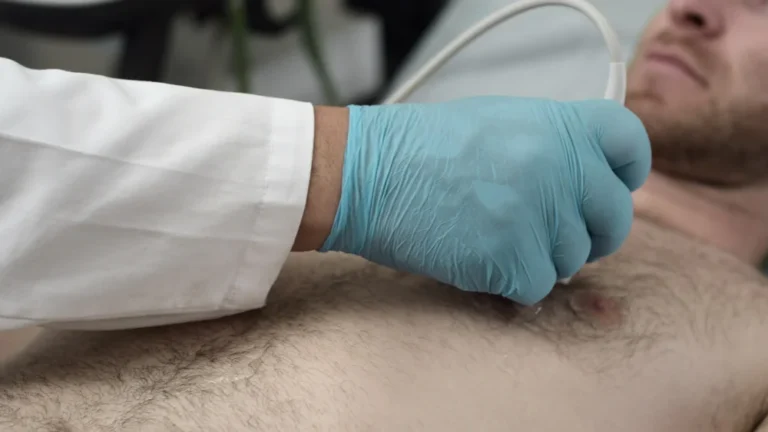
As Jason Lamb noted in his feature with Hometown Stations, the role of the RT is expanding into multiple areas of the hospital. Historically viewed primarily as providers of oxygen and nebulizer treatments, RTs are now integral members of multidisciplinary teams. They lead the management of mechanical ventilation, participate in ECMO (Extracorporeal Membrane Oxygenation) programs, and guide complex diagnostic procedures.
Bridging the Workforce Gap
The collaborative efforts between institutions like UPMC and Mercyhurst, and the creation of new programs at SOWELA, address the "workforce cliff" facing many allied health professions. By providing financial incentives and increasing the number of accredited training slots, the respiratory care community is building a sustainable pipeline of talent.
The Human Element
Perhaps the most significant takeaway from these reports is the human-centric nature of the profession. Whether it is a flight therapist reuniting with a survivor or an educator guiding a student through their career choices, the profession remains fundamentally anchored in the patient experience. The AARC’s ongoing efforts to highlight these individuals serve not only to celebrate personal success but to demonstrate to the public and policy makers why the respiratory therapist is an indispensable asset to the healthcare system.
Chronology of Recognition (Recent Highlights)
- January 2026: Becky Yacano leads fundraising initiatives for Chenango Memorial Hospital.
- December 2025: SOWELA Technical Community College receives approval for its new RT program; Casey Flynn highlights the impact on the local community.
- Mid-2025: King Faisal Specialist Hospital and Research Centre receives the AARC Apex Award for global excellence.
- 2024–2025 Period: Continued focus on the "Flight 1" rescue mission featuring Leigh Zeedyk; expansion of partnership programs at Mercyhurst University.
- Ongoing: Continuous efforts by members like Jason Lamb and Sarah Parker to demystify the profession for the public and prospective students.
Conclusion: A Profession in Ascendance
The recent media coverage surrounding AARC members is not merely a collection of isolated stories; it is a narrative of a profession that has moved from the background to the foreground of critical care. The diversification of roles—from flight medic to fundraiser, from clinical leader to academic mentor—demonstrates that respiratory therapy is a dynamic, evolving field.
As healthcare systems face increasing complexity, the expertise of the respiratory therapist remains a constant, reliable force for positive patient outcomes. By fostering academic partnerships, engaging in philanthropic leadership, and maintaining the highest clinical standards in both military and civilian sectors, AARC members are ensuring that the future of respiratory care is not only bright but also fundamentally indispensable to the health of our global community.
The success stories of individuals like Christine Gluvna, Ellison Robinson, and Leigh Zeedyk serve as an invitation to the next generation of healthcare providers: to enter a field where the work is challenging, the impact is immediate, and the opportunities for professional growth are boundless. Through continued advocacy and the relentless pursuit of excellence, the respiratory therapy profession will undoubtedly continue to be a cornerstone of modern medicine for decades to come.