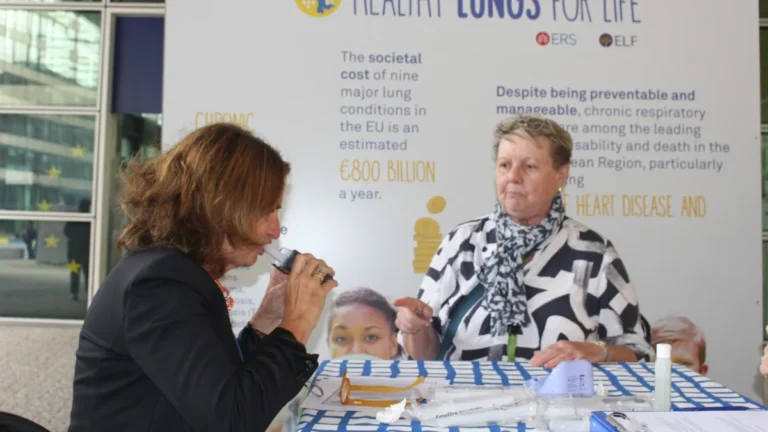
The field of respiratory care continues to evolve as a vital pillar of the modern healthcare landscape. From the halls of academia and the high-stakes environment of the neonatal intensive care unit to the investigative forefront of public health and the creative spheres of civic engagement, American Association for Respiratory Care (AARC) members are increasingly serving as the faces of progress.
This report highlights a series of significant milestones achieved by AARC members throughout late 2025 and into 2026, showcasing the diverse ways in which respiratory therapists (RTs) are shaping clinical practice, education, and community well-being.
I. Advancing the Profession: Academic Milestones and Institutional Excellence
The Evolution of RT Education at Boise State
The discipline of respiratory care has reached a new administrative milestone at Boise State University. AARC member Megan Koster, EdD, RRT, RRT-NPS, FAARC, has been instrumental in the launch of the new School of Respiratory Care. Previously operating as a department within the School of Allied Health Sciences, the transition to an independent school marks a strategic shift that elevates the visibility and autonomy of the program.
Dr. Koster noted that this reorganization is designed to empower RT educators to pursue more robust research agendas and forge deeper interdisciplinary partnerships. By elevating the status of the respiratory care program, Boise State is positioning itself to lead the next generation of evidence-based practice, allowing faculty to focus on specialized curriculum development that mirrors the increasing complexity of cardiopulmonary medicine. Read the full story here.
National Recognition: The Apex Award
Academic excellence in the field was further underscored by the recent accolades bestowed upon Southern Connecticut State University. AARC member Joan Kreiger, EdD, RRT, RPFT, FNAP, FAARC, recently accepted the prestigious AARC Apex Award on behalf of the university’s Bachelor of Science in Respiratory Therapy (BSRT) degree advancement program.
The award, presented during the AARC Congress 2026 in Phoenix, recognizes programs that demonstrate excellence in respiratory care education, clinical innovation, and student outcomes. Dr. Kreiger’s leadership in the BSRT program has been credited with setting a benchmark for degree advancement, ensuring that clinicians are equipped with the advanced critical thinking skills required to meet the demands of a changing healthcare environment. Read more about the program’s national recognition here.
II. The Human Connection: Clinical Practice and Personal Impact
Care Beyond the Call of Duty
While institutional growth is vital, the essence of the profession remains rooted in the patient-clinician relationship. AARC member John Dvorak, BS, RRT, recently shared a deeply personal narrative via St. Cloud LIVE, illustrating the intersection of professional expertise and familial devotion.
Dvorak, a seasoned respiratory therapist, found his career path uniquely tested when his own niece was born with complex respiratory issues requiring a stay in the NICU. His story highlights the unique emotional and technical burden placed on RTs who serve as both caregivers and family advocates. Dvorak’s experience serves as a poignant reminder that the role of the RT often transcends the hospital chart, providing comfort and stability to families during their most vulnerable moments. Read the full article here.
Setting Standards in Maternity Care
In Pennsylvania, AARC member Haley Mitchell, RRT, RRT-NPS, is helping lead the charge in excellence for maternal health. Mitchell was featured in a Penn State Health news spotlight following the designation of Penn State Health Milton S. Hershey Medical Center as a 2026 High Performing Hospital for Maternity Care by U.S. News & World Report.
The role of the respiratory therapist in neonatal and maternal outcomes is often under-recognized by the public. However, Mitchell’s presence in this report highlights the collaborative nature of maternal care teams, where RTs provide critical support for both the mother’s and the newborn’s respiratory health, ensuring that the facility meets the highest national standards for safety and efficacy. See the full feature here.
III. Public Health Advocacy and Community Investigation
Respiratory therapists are increasingly serving as the primary bridge between environmental conditions and community health. AARC member Joseph Buhain, EdD, MBA, RRT, CHSOS, CMSP, FAARC, NBREMTB, recently provided expert perspective in a WINK News investigation regarding air quality in a Florida community.
The investigation centered on complaints from residents living near a waste and recycling plant, who reported health concerns linked to dust and particulate matter. Dr. Buhain’s role in analyzing the potential respiratory implications of the dust exposure highlights the vital role of the RT as a public health advocate. By translating complex data regarding particulate matter and lung health into information the public can understand, Dr. Buhain serves as a crucial voice in community safety, pushing for greater accountability and transparency in local industrial operations. Read the investigation here.
IV. The Future of the Profession: Mentorship and Celebration
The pipeline for the next generation of respiratory therapists remains strong, as evidenced by a recent pinning ceremony at Newman University. AARC members Tim Cho, MD, RRT, and Charity Clark, MSOHRD, RRT, were on hand to honor the graduating class, including student member Haven Sjogren.
Pinning ceremonies are a rite of passage that signifies the transition from student to clinician. The involvement of established professionals like Dr. Cho and Professor Clark underscores the importance of mentorship in the field. These events serve not only to celebrate academic achievement but to reinforce the ethical and professional standards that guide the respiratory care community. Read the ceremony highlights here.
V. Beyond the Hospital: RTs as Pillars of the Community
Finally, it is worth noting that the dedication of AARC members extends into the creative and civic spheres. Jim Rudegeair, RRT, RRT-ACCS, was recently profiled in the Lebanon Daily News for his contribution to the nation’s upcoming 250th anniversary. Rudegeair designed a custom Liberty Bell sculpture to commemorate the semi-quincentennial in 2026.
This serves as a testament to the diverse talents found within the respiratory care community. Whether they are balancing clinical responsibilities with artistic endeavors or community leadership, AARC members continue to demonstrate that the skills of an RT—precision, dedication, and a commitment to the well-being of others—are universal qualities that benefit society at large. Read the full story here.
VI. Implications for the Future of Respiratory Care
The breadth of these stories suggests that the respiratory care profession is entering a period of significant expansion in its scope of influence.
- Administrative Autonomy: The creation of dedicated schools of respiratory care (such as at Boise State) suggests that the profession is moving toward a model where RT expertise is integrated into institutional governance rather than merely serving as a support service.
- Increased Public Awareness: Through environmental investigations and community engagement, RTs are becoming essential voices in public health policy, helping to mitigate the health risks associated with pollution and industrial byproducts.
- Clinical Integration: As evidenced by the recognition of high-performing hospitals and the dedication shown by members like John Dvorak, the RT is becoming an indispensable component of the multidisciplinary care team, recognized not just for their technical skills but for their ability to provide patient-centered, compassionate care.
Conclusion
As the AARC continues to support its members, the collective achievements of these individuals serve as a roadmap for the future of the profession. From the classroom to the bedside and into the halls of public policy, respiratory therapists are demonstrating that they are not merely technicians, but leaders, educators, and pillars of their communities. The progress made in late 2025 and 2026 is a testament to the enduring value of the profession and the dedication of those who have committed their careers to the breath of life.