








By Medical Correspondent
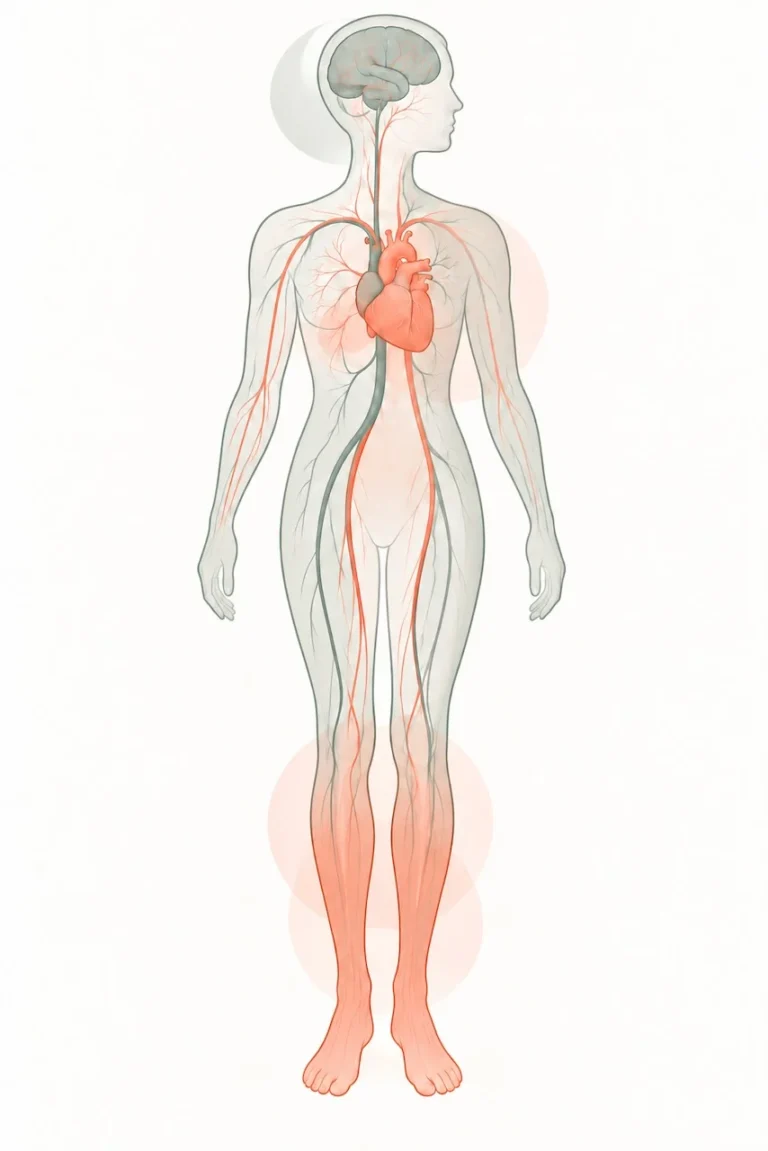
For millions of Americans, the simple act of taking a walk, grocery shopping, or even standing to cook a meal has become a grueling ordeal defined by sharp, radiating pain. Spinal stenosis, a condition characterized by the narrowing of the spinal canal, acts as a silent thief of independence. However, for residents of Southwest Florida, a minimally invasive solution—the Superion Vertiflex procedure—is providing a lifeline, allowing patients to reclaim their mobility and their quality of life.
The Burden of Spinal Stenosis: Understanding the Condition
Spinal stenosis is a degenerative condition that typically affects the aging population. As the body undergoes natural wear and tear, the spaces within the spine begin to narrow. This narrowing exerts significant pressure on the spinal cord and the nerves that travel through the spine.
According to data from the American Academy of Orthopedic Surgeons, approximately 30 million Americans suffer from this debilitating condition. The prevalence is particularly high among the Baby Boomer generation, who are currently navigating the challenges of age-related spinal deterioration.
For patients like Bernard Uhlmann and Karen Nagel, the condition was not merely an inconvenience; it was a barrier to living. "It was really severe pain in my legs, limiting my ability to walk," Uhlmann recalled. For Nagel, the toll was equally heavy: "It’s really hard to drag yourself around when you can’t do anything." The psychological and physical burden of chronic pain often leads to a sedentary lifestyle, which in turn accelerates further health decline, creating a vicious cycle of immobility and frustration.
The Innovation: The Superion Vertiflex Procedure
The breakthrough lies in a small, implantable device known as the Superion, developed by Vertiflex. Unlike traditional open-back surgeries—which often require lengthy hospital stays, extensive recovery times, and invasive hardware—the Superion procedure is designed to be minimally invasive.
The device acts as an indirect decompression system. By being inserted into the spine, the Superion acts as a spacer, effectively holding the vertebrae in a position that opens up the spinal canal. This crucial adjustment relieves the pressure on pinched nerves, providing immediate relief for the symptoms of neurogenic claudication, such as leg pain, numbness, and cramping.
The FDA approved the Superion system in 2015, marking a significant milestone in orthopedic and pain management medicine. Since 2016, Dr. Robert Ball has been pioneering this technique in Port Charlotte, Florida, serving as one of the primary conduits for this technology in the region.
Chronology of a Medical Shift
The adoption of the Superion procedure in Southwest Florida represents a shift toward outpatient, low-risk surgical interventions.
- 2015: The FDA grants approval for the Superion Vertiflex system, validating its efficacy as a treatment for lumbar spinal stenosis.
- 2016: Dr. Robert Ball introduces the procedure to his practice in Port Charlotte, recognizing the high density of retirees in the area who are suffering from degenerative spinal conditions.
- 2017–2023: As clinical outcomes show consistent success, the procedure gains traction, with most major insurance providers and Medicare electing to cover the treatment due to its cost-effectiveness compared to traditional spinal fusion surgery.
- Present Day: Port Charlotte remains a regional hub for the procedure, attracting patients from across Southwest Florida seeking relief from chronic stenosis symptoms without the risks associated with major surgery.
Supporting Data and Clinical Efficacy
The clinical appeal of the Superion procedure is rooted in its simplicity and safety profile. The procedure is typically completed in about an hour. Because it is minimally invasive, the trauma to the surrounding muscle and tissue is kept to an absolute minimum.
"Most patients walk out of the office the same day," Dr. Ball noted. This rapid recovery timeline is a stark contrast to traditional laminectomies or spinal fusions, which can require weeks of physical therapy and significant post-operative pain management.
Furthermore, the procedure is completely reversible. If a patient’s condition evolves or if future medical needs arise, the device can be adjusted or removed. This flexibility is a critical factor for older patients who may be hesitant to commit to permanent, irreversible structural changes in their spines.
Official Responses and Safety Considerations
While the procedure has garnered high praise from patients, medical professionals remain diligent regarding transparency about risks. When asked about potential complications, Dr. Ball emphasized the reality of any surgical intervention.
"Any time there is an incision or injection made, there is the risk of infection or bleeding," Dr. Ball stated. While these risks are statistically low, they are part of the informed consent process that every patient must undergo. The medical consensus is that for the vast majority of candidates, the benefits of regained mobility and pain relief far outweigh the standard procedural risks.
From the patient perspective, the results are overwhelmingly positive. Karen Nagel, who sought the procedure specifically to maintain her ability to care for her ailing husband, described it as a turning point. "My husband is very sick, and I have to take care of him, so I had to get right back in the swing of things," she said. Her success underscores how the procedure is not just about pain management—it is about restoring the capacity to perform essential roles in one’s family and community.
Bernard Uhlmann echoed this sentiment, stating, "I would do it again in a quick minute, because the results are very good."
Implications for the Future of Spinal Care
The success of the Superion procedure in Port Charlotte serves as a template for how specialized, minimally invasive care can be decentralized. Rather than forcing patients to travel to major metropolitan academic medical centers, local practitioners can offer state-of-the-art relief, improving access for the elderly population.
The Economic Impact
Beyond the clinical benefits, the procedure offers significant economic advantages. By avoiding inpatient hospital stays, the cost of treatment is drastically reduced. Furthermore, the ability of patients to return to their daily routines—and potentially their jobs or caretaking duties—quickly helps reduce the secondary economic costs associated with long-term disability and reliance on home health services.
Access and Insurance
One of the most frequent barriers to advanced medical technology is cost. However, the widespread coverage of the Superion procedure by Medicare and most private insurance companies ensures that it remains an accessible option for those who need it most. By categorizing the procedure as a medically necessary intervention for spinal stenosis, insurance providers have acknowledged that the long-term savings of preventing more invasive, costlier surgeries are significant.
Conclusion: A New Standard of Living
For many in Southwest Florida, the Superion Vertiflex procedure has transitioned from a medical curiosity to a standard of care. By addressing the root mechanical cause of spinal stenosis without the daunting recovery of traditional surgery, Dr. Ball and his colleagues are providing a path forward for those who felt their best years were behind them.
As the population continues to age, the demand for such interventions will likely grow. The ability to "walk out of the office the same day" and resume the responsibilities of life is more than just a medical triumph; it is a restoration of human dignity. For the patients in Port Charlotte, the device in their spine is the key to a door that had been closing for far too long—a door leading back to an active, pain-free life.