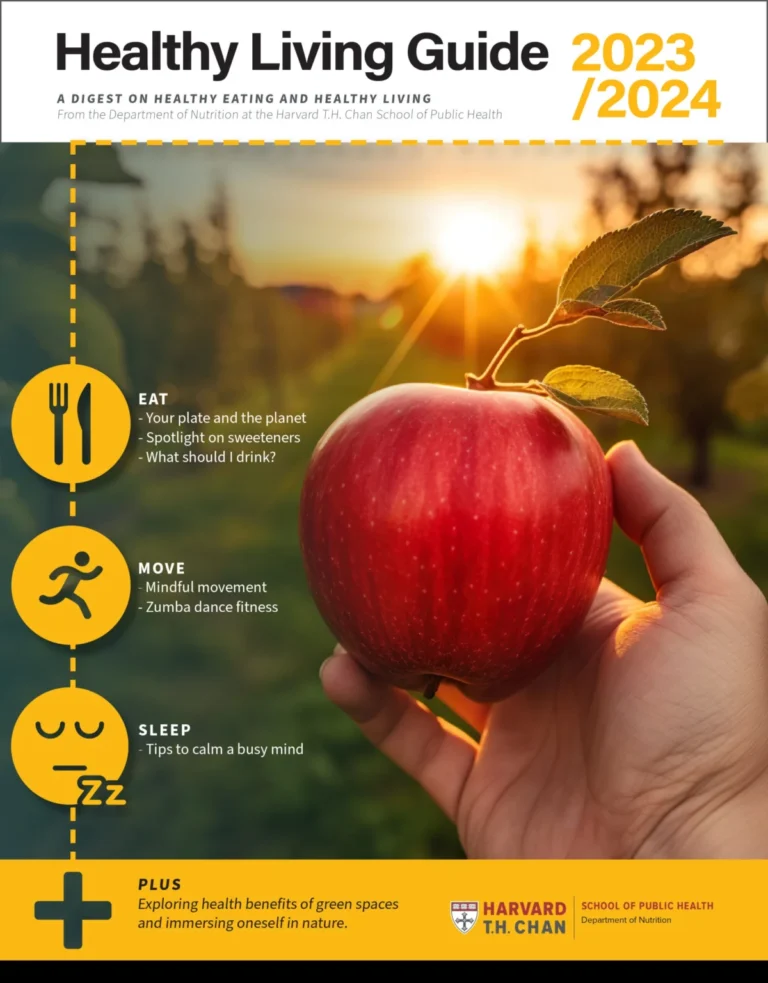












The World Health Organization (WHO) recently unveiled a comprehensive update to its global dietary guidelines, aiming to provide a standardized framework for healthy eating for individuals aged two and older. While much of the report—which focuses on the reduction of sugars, sodium, and the elimination of trans fats—has been met with scientific consensus, a significant point of contention has emerged. Experts from the Harvard T.H. Chan School of Public Health are formally pushing back against the WHO’s recommendation to limit total fat intake to 30% or less of total daily calories, labeling the advice as outdated and scientifically unsupported.
This disagreement highlights a persistent friction between historical nutritional dogmas and the evolution of modern metabolic research. As global health authorities attempt to combat rising rates of obesity and chronic disease, the debate over the "total fat" threshold serves as a critical case study in how public policy can inadvertently contradict decades of clinical evidence.
Main Facts: The Core of the Conflict
The WHO’s updated guidelines are intended to serve as a cornerstone for national dietary policies worldwide. The core of the controversy lies in the "total fat" limit. The WHO maintains that capping total fat at 30% of energy intake is a prudent measure to manage body weight and mitigate the risk of non-communicable diseases.
However, Harvard nutrition researchers argue that the WHO’s reliance on this 30% threshold ignores the qualitative difference between types of fats. The scientific community has largely moved past the era of viewing "fat" as a monolithic nutrient. Current research differentiates sharply between:
- Unsaturated fats: Found in nuts, seeds, avocados, and vegetable oils, which are associated with improved heart health.
- Saturated fats: Found in animal products, which have complex, evolving associations with health.
- Trans fats: Industrially produced fats that are universally condemned for their detrimental effects on cardiovascular health.
The Harvard team asserts that by focusing on a percentage cap, the WHO risks inadvertently encouraging the consumption of refined carbohydrates—a nutritional trade-off that may worsen the very conditions the WHO seeks to prevent, such as insulin resistance, elevated triglycerides, and systemic inflammation.
Chronology of the Debate
The tension between international guidelines and academic nutrition centers has been brewing for years. To understand the current impasse, one must look at the timeline of dietary research:
- Mid-20th Century: The "Low-Fat Era" begins, driven by early observational studies suggesting that dietary fat is the primary culprit behind cardiovascular disease.
- Early 2000s: The PREDIMED (PREvención con DIeta MEDiterránea) trial begins in Spain. This landmark study challenged the low-fat paradigm by testing a Mediterranean diet high in unsaturated fats (up to 42% of total calories).
- 2013: Initial results from the PREDIMED trial are published, demonstrating that high-fat, Mediterranean-style diets significantly outperform low-fat diets in reducing cardiovascular events.
- 2015–2020: Growing consensus emerges that the source of calories—specifically the quality of carbohydrates and fats—matters more than the macronutrient ratio.
- July 2023: The WHO releases its updated guidelines, maintaining the 30% total fat cap.
- July 2023 (Immediate Post-Release): Harvard T.H. Chan School of Public Health issues a formal rebuttal, citing the "deeply flawed" meta-analysis underpinning the WHO’s total fat recommendation.
Supporting Data: Why Harvard Rejects the 30% Cap
The criticism leveled by Harvard’s Dr. Walter Willett and his colleagues is not based on mere opinion but on a granular critique of the data used by the WHO. The Harvard team points to several fundamental issues with the meta-analyses that informed the new guidelines.
The Problem of Selection Bias
Harvard researchers note that the meta-analyses cited by the WHO were highly selective. They frequently included studies where weight change was not the primary focus, and often included participants who were already suffering from advanced chronic conditions, such as cancer or late-stage cardiovascular disease. Including sick populations in a study meant to establish a "healthy" baseline for the general public introduces significant confounding variables.
The "Intensive Guidance" Confound
A major technical criticism concerns the experimental design of the studies included in the WHO review. In many of the low-fat intervention trials, the "treatment" group received consistent, high-touch dietary counseling and intensive monitoring. The control group, by contrast, was often left to their own devices. Researchers argue that the weight loss observed in the low-fat groups was likely a result of the behavioral intervention—the act of being monitored—rather than the reduction of fat itself.
The Magnitude of Effect
Even if the WHO’s data were taken at face value, the clinical relevance is marginal. Dr. Willett points out that the difference in weight change between the low-fat and high-fat cohorts in the analyzed studies was roughly two pounds (0.9 kg). In the context of global public health, a two-pound difference over a long-term study is not a robust enough finding to justify a sweeping international guideline that could fundamentally alter the dietary habits of billions of people.
Official Responses and Expert Perspectives
The WHO guidelines, while heavily criticized on the issue of total fat, remain a landmark effort in other areas. The WHO has successfully standardized recommendations on the reduction of added sugars and sodium, which are universally accepted as beneficial.
However, the response from the Harvard camp remains firm. Dr. Walter Willett, Professor of Epidemiology and Nutrition, has been vocal about the implications of these guidelines. "The new WHO recommendation that intake of total fat be limited to 30% of calories is narrowly based on one deeply flawed meta-analysis," Willett stated. "This ignores the last several decades of research on dietary fat and excludes the traditional Mediterranean diet, which has been widely recognized as a healthy model for eating, based on a massive body of evidence."
The Harvard experts are not calling for a "free-for-all" on fats. They strongly support the WHO’s guidance on the type of fat. The emphasis on replacing saturated and trans fats with unsaturated, plant-derived fats remains a sound, evidence-based pillar of nutrition. The disagreement is specifically with the mathematical ceiling placed on the total volume of fat consumed.
Implications: What Does This Mean for the Public?
The conflict between these two major health institutions poses a challenge for policy-makers, clinicians, and the general public. If global standards are perceived as out of touch with modern science, the credibility of public health messaging may be at risk.
The Risk of the Carbohydrate Swap
The most significant implication is the "replacement effect." When dietary guidelines mandate a reduction in fat, those calories must be replaced by something else. In practice, this often leads to an increased intake of refined carbohydrates—white bread, sugary cereals, and processed snacks. Harvard researchers warn that this shift is counterproductive, as high-glycemic diets are linked to metabolic syndrome, increased blood pressure, and elevated triglycerides.
The Mediterranean Model
The evidence favoring the Mediterranean diet, which often exceeds 35-40% of calories from fat, remains the strongest counter-argument to the 30% cap. By demonizing total fat, guidelines may inadvertently steer populations away from the healthiest traditional eating patterns known to science.
A Call for Nuance
The broader implication of this debate is the necessity for nuance in nutritional science. As the world faces an obesity epidemic, the "one-size-fits-all" macronutrient approach is increasingly viewed as obsolete. Public health officials are now facing pressure to move toward dietary frameworks that prioritize food quality—whole grains, lean proteins, and healthy fats—rather than rigid percentage-based limits that may not account for individual metabolic health or cultural dietary context.
Conclusion
The dispute between the WHO and Harvard researchers underscores a critical evolution in nutritional science. While the WHO’s guidelines provide a necessary baseline for global health, the scientific community’s insistence on evidence-based accuracy is vital for ensuring that recommendations do more good than harm. As the dialogue continues, the consensus is shifting away from simple mathematical caps and toward a more sophisticated, qualitative approach to what we put on our plates. For the public, the takeaway remains clear: the focus should be on the source of the fat rather than the total amount, prioritizing the heart-healthy fats found in plants and fish over the refined sugars and processed carbohydrates that continue to drive chronic disease.