









For three decades, the scientific community operated under a singular, rigid understanding of mevalonate kinase deficiency (MKD)—a rare, debilitating genetic disorder characterized by life-threatening inflammatory storms. The prevailing dogma held that macrophages, the "big eaters" of the immune system, were the primary culprits behind the disease’s volatile symptoms. However, a groundbreaking study from the Garvan Institute of Medical Research has shattered this long-standing assumption, uncovering a critical defect in a different class of immune cells that could rewrite the playbook for patient treatment.
The Core Discovery: A Case of Cellular Misfiring
MKD is a lifelong condition that remains a diagnostic challenge, often leaving children and adults suffering from unexplained, recurring attacks of high fever, painful skin rashes, abdominal distress, and joint inflammation. For years, therapies have been designed to target macrophages, yet roughly half of all patients fail to respond to these interventions, leaving them vulnerable to severe, sometimes fatal, complications.
The research team, led by Professor Mike Rogers and Dr. Marcia Munoz at the Garvan Institute, decided to look where others hadn’t. By analyzing blood samples from MKD patients and employing advanced preclinical models, the researchers discovered that the "missing link" was not in the macrophages, but in natural killer (NK) cells.
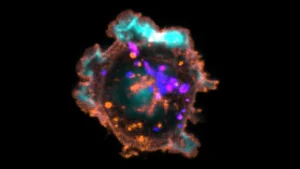
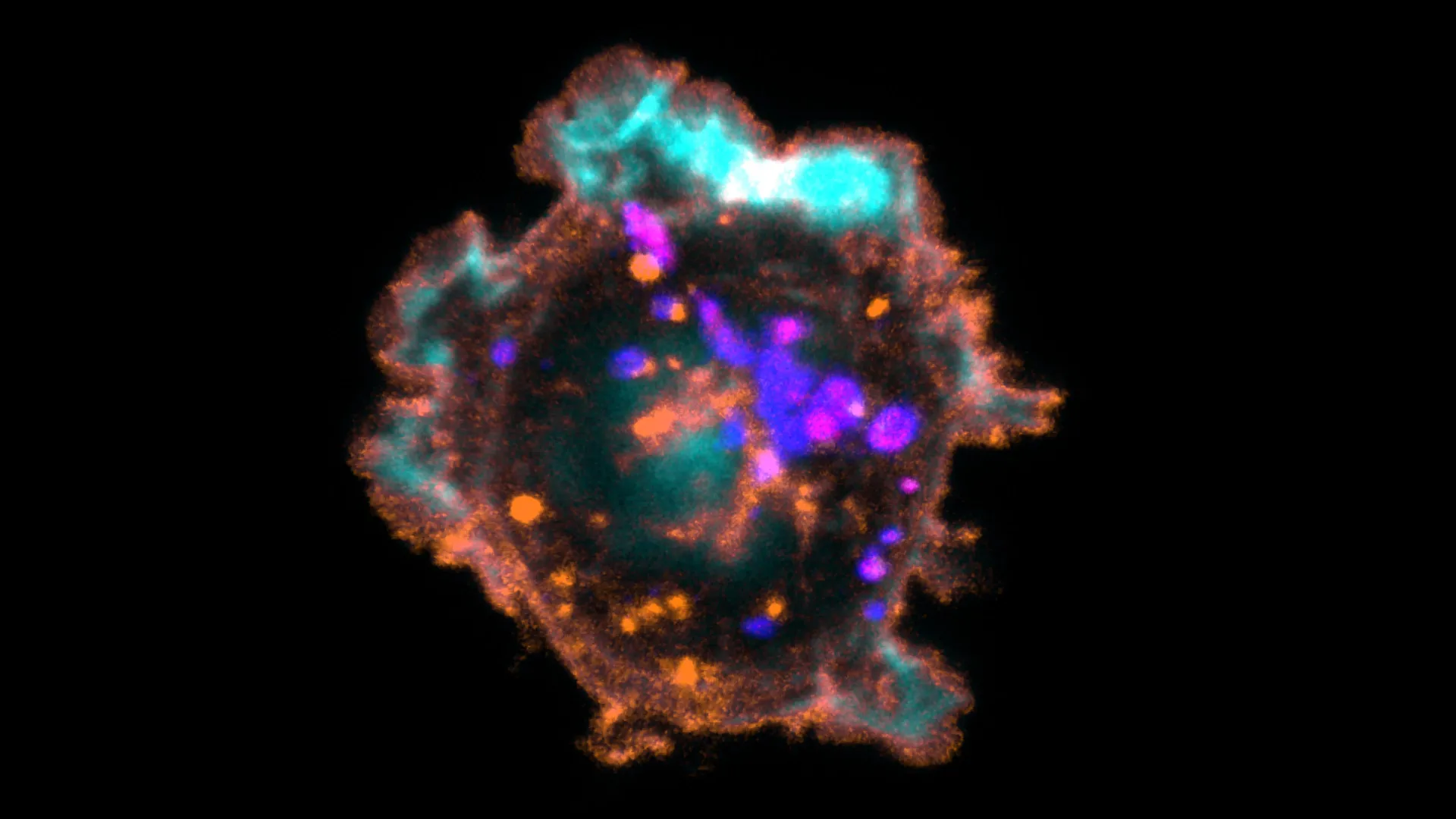
NK cells are the immune system’s first responders, specifically evolved to detect and neutralize viral infections before they gain a foothold. In healthy individuals, these cells operate with precision. In patients with MKD, however, these cells are fundamentally broken. They fail to mature properly, rendering them unable to execute their primary mission: destroying infected cells. This failure creates a lethal domino effect. When these "toxic granules"—the molecular ammunition used by NK cells to kill threats—remain trapped inside the cell, the NK cell compensates by "screaming" for help. It releases massive quantities of interferon-gamma, a potent inflammatory signaling molecule. This chemical alarm triggers a body-wide immune activation, leading to the dangerous, systemic inflammation characteristic of the disorder.
Chronology of a Medical Shift
The trajectory of MKD research has been marked by a period of stagnation followed by this sudden, paradigm-shifting breakthrough.
- 1990s–2010s: The Macrophage Era. For thirty years, the medical consensus was fixed. Research efforts were almost exclusively dedicated to understanding and inhibiting the inflammatory signals released by macrophages. Treatments were developed based on this model, but clinical efficacy remained inconsistent.
- The Investigative Pivot. Recognizing the high failure rate of existing treatments, the Garvan team sought to investigate what was being overlooked. By expanding their scope beyond macrophages, they began to analyze the maturation and function of other immune cell populations.
- Identification of the Defect. Through sophisticated cell analysis, the team identified the "misfiring" NK cells. They observed that while these cells were physically present, they were functionally impotent due to the metabolic consequences of the genetic defect.
- Collaborative Validation. Working in tandem with Professor Mariapia Degli-Esposti and researchers at Monash University, the team confirmed that the dysfunction of these NK cells was directly responsible for the organ damage seen in experimental models, providing the smoking gun for their new theory.
- Clinical Application. In a recent, promising development, the findings were applied to a severely affected infant at the Royal Children’s Hospital in Melbourne. By introducing baricitinib, a JAK inhibitor, clinicians were able to quiet the inflammatory response where previous treatments had failed.
Supporting Data: Why NK Cells Fail
The mechanism identified by the Garvan Institute explains why MKD is so uniquely difficult to treat. The genetic mutation behind MKD impacts the mevalonate pathway, which is essential for cellular health. When this pathway is disrupted, it affects the protein prenylation required for the proper formation and secretion of granules in NK cells.
Data from the study shows that this is not merely a quantitative problem, but a qualitative one. The NK cells are not simply absent; they are present but dysfunctional. Because they cannot perform their "clean-up" duty—killing infected cells—they remain in a state of hyper-activation, essentially flooding the patient’s system with interferon-gamma.
This discovery provides a rational basis for the use of JAK inhibitors. These drugs are specifically designed to block the signaling pathways that interferon-gamma uses to communicate with other immune cells. By "turning down the volume" on this chemical scream, the medication prevents the systemic inflammatory cascade, even if the underlying NK cell defect remains.
Official Perspectives: Shifting the Paradigm
The implications of this work are being hailed as a major turning point for rare disease research.
"This really turns on its head 30 years of dogma about what was thought to be the underlying mechanism of disease," says Dr. Marcia Munoz, the lead researcher on the study. "In MKD, the primary problem is in NK cells and not in macrophages, as previously believed."
Professor Mike Rogers, the study’s senior author, emphasizes that the discovery is not just theoretical—it is actionable. "This study has revealed a new target for this inflammatory disorder and sets the scene for future clinical studies to explore the use of JAK inhibitors or other drugs to neutralize interferon gamma in patients with MKD," Rogers stated. "This could lead to a targeted treatment that hasn’t been tried before."
The success of the treatment in the Melbourne infant case—where inflammation subsided and gastrointestinal health improved—serves as a powerful proof-of-concept. While the researchers are careful to note that a single case does not constitute a broad clinical trial, the rapid response to the medication offers a glimmer of hope for the "lost" patients who have seen little progress in their condition for decades.
Broader Implications: The "Prenylopathy" Family
Perhaps the most significant long-term impact of this research is the conceptual expansion of what these findings mean for other genetic disorders. The Garvan Institute has introduced the term "prenylopathies" to categorize a family of genetic disorders that share the same metabolic pathway dysfunction found in MKD.
Early evidence suggests that the NK cell defect identified in MKD may be a common thread across these related diseases. If this hypothesis holds, the discovery could lead to a new class of diagnostics and treatments that are not disease-specific, but mechanism-specific.
"Confirming this link could help end the diagnostic odyssey many patients endure for years or even decades before receiving effective treatment," Professor Rogers added. By focusing on the shared cellular defect rather than the individual symptoms of disparate diseases, clinicians may be able to fast-track treatments using existing medications like JAK inhibitors, which are already approved for conditions like rheumatoid arthritis and eczema.
Conclusion: A New Horizon for Patients
The journey from a 30-year medical assumption to a potential new treatment pathway highlights the necessity of constant scientific inquiry. By challenging established beliefs, the team at the Garvan Institute has provided a lifeline for patients who have spent years navigating the limitations of current, ineffective therapies.
As the scientific community prepares to move into more extensive clinical trials, the focus will remain on refining these targeted treatments. For those living with MKD, the discovery represents more than just a paper in the journal Immunity; it represents the possibility of a life defined by fewer fevers, less pain, and a future where their condition is no longer a mystery, but a manageable, well-understood reality.
The path forward is clear: through the investigation of NK cell function and the strategic application of JAK inhibitors, medicine is poised to resolve one of the most stubborn puzzles in immunology, potentially offering relief to thousands of patients who have been left behind by outdated science.