




WASHINGTON, D.C. — As the landscape of higher education continues to grapple with an unprecedented mental health crisis, Active Minds, the nation’s leading nonprofit organization promoting mental health awareness for young adults, has officially announced its Student Advisory Committee (SAC) for the 2025-2026 academic year. This select cohort of student leaders has been tasked with a formidable mission: to serve as the national voice for thousands of peers, ensuring that the evolving needs of the "Gen Z" student body are reflected in national policy, campus programming, and cultural discourse.
The SAC serves as a critical bridge between the executive leadership of Active Minds and its network of over 600 campus chapters. This year’s committee is comprised of individuals who represent the diverse tapestry of the American collegiate experience, ranging from first-generation Latino students in community colleges to high-level policy advocates at major state universities.
Main Facts: The Architects of a New Mental Health Culture
The appointment of the 2025-2026 SAC comes at a pivotal moment. Recent data suggests that while the stigma surrounding mental health is decreasing, the demand for accessible, culturally competent care is at an all-time high. The new SAC members are not merely figureheads; they are active participants in the design of Active Minds’ flagship initiatives, including national conferences, suicide prevention programs, and the "Send Silence Packing" exhibit.
The 2025-2026 cohort includes:
- Nadira Akilo (University of Texas at Austin)
- Varsha Penumalee (Virginia Commonwealth University)
- Marissa Smith (Rider University)
- Angel Velazquez (Lake Tahoe Community College)
- Vashti Trujillo (Colorado State University Pueblo)
- Faria Tavacoli (University of Nevada, Las Vegas)
These leaders were selected through a rigorous process that prioritized lived experience, demonstrated leadership, and a commitment to intersectional advocacy.
Profiles in Leadership: Meet the 2025-2026 SAC Members
Nadira Akilo: Navigating Cultural Stigma through Pop Culture
Nadira Akilo, a Biology major on the pre-med track at the University of Texas at Austin, brings a unique dual perspective to the committee. Growing up in rural East Texas, Akilo witnessed firsthand how mental health issues are often dismissed in underserved areas. Furthermore, as an individual of both African American and Asian heritage, she has navigated the complex cultural stigmas that exist within both communities.
Akilo’s approach to advocacy is rooted in accessibility. She aims to use pop culture as a medium to demystify mental health discussions, making them less clinical and more relatable for minority youth. Her background in psychiatric research and student government provides her with the tools to translate student needs into actionable data.
Varsha Penumalee: The Intersection of Public Health and Policy
At Virginia Commonwealth University, Varsha Penumalee is redefining what it means to be a pre-medical student. In addition to her studies in Biology and Chemistry, Penumalee serves as the Co-President of Active Minds at VCU and holds leadership roles with NAMI Virginia and Youth MOVE National.
Her focus is on health inequities. Penumalee’s work emphasizes that mental health cannot be separated from physical health or socioeconomic status. By serving on the SAC, she intends to advocate for systemic changes that improve care for underserved populations, ensuring that "wellness" is not a luxury reserved for the privileged.
Marissa Smith: A Dedicated Focus on Suicide Awareness
Representing Rider University, Marissa Smith is a Psychology major with a specific focus on suicide prevention. In a time where suicide remains a leading cause of death among college-aged individuals, Smith’s role is vital. She serves as an ambassador for the New Jersey Office of the Secretary of Higher Education (OSHE), linking her campus-level advocacy with state-level policy. Her work with the Gail Biernbaum Leadership Council further highlights her commitment to mentoring the next generation of advocates.
Angel Velazquez: The First-Gen Perspective and Basic Needs
Angel Velazquez, a student at Lake Tahoe Community College, represents the critical link between "basic needs" and mental health. Studying Mathematics and Physics with aspirations in Aerospace Engineering, Velazquez serves as a Student Senator and Food Pantry Lead.
As a first-generation Latino student, he understands the unique pressures of balancing academic excellence with family responsibilities and financial instability. His advocacy centers on the "Whole Student" model—arguing that a student cannot maintain mental well-being if their basic needs for food and housing are not met.
Vashti Trujillo: Elevating Youth Voices to the National Stage
Vashti Trujillo of Colorado State University Pueblo is a seasoned policy advocate. Her resume includes collaborations with the Aspen Institute and participation in the White House Youth Policy Summit. Trujillo’s work focuses on systemic equity, ensuring that the stories of young women and first-generation students reach the ears of policymakers in Washington and beyond. Her role on the SAC will involve translating grassroots student sentiment into high-level policy recommendations.

Faria Tavacoli: Neuroscience and Intersectional Survivorship
Faria Tavacoli, a Public Health and Neuroscience major at UNLV, approaches mental health through the lens of a survivor and a scientist. Tavacoli’s advocacy is deeply intersectional, centering on resilience and justice. As a student director for her local chapter, she has focused on creating "safe spaces" that encourage help-seeking behavior. On the SAC, she aims to build youth-led systems of care that prioritize dignity for those often marginalized by traditional healthcare systems.
Chronology: The Lifecycle of Student Advocacy
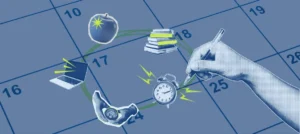
The SAC operates on an annual cycle designed to maximize impact during the academic year.
- Selection and Orientation (Late Summer): Following a national search, the new cohort is onboarded, aligning their personal advocacy goals with Active Minds’ strategic pillars.
- Strategic Planning (Fall): The committee meets to review upcoming national campaigns. This year, a primary focus will be on the 2025 National Conference, where SAC members will lead workshops and panel discussions.
- Implementation and Feedback (Winter/Spring): Throughout the academic year, SAC members serve as consultants for local chapters. They provide real-time feedback to Active Minds’ national staff regarding the effectiveness of resources like "Stress Less Week" and peer-to-peer support modules.
- Policy Advocacy (Spring): The cycle often culminates in legislative advocacy, where SAC members may meet with lawmakers to discuss funding for campus mental health services and the expansion of telehealth resources.
Supporting Data: The Urgent Need for Peer-Led Intervention
The necessity of the SAC is underscored by sobering statistics from the mental health field. According to the 2023-2024 Healthy Minds Study, which surveyed over 100,000 students nationwide:
- 41% of students screened positive for overall depression.
- 36% of students reported experiencing an anxiety disorder.
- 14% of students seriously considered suicide in the past year.
Perhaps most significantly, the study found that 67% of students who are struggling with mental health tell a friend before they tell anyone else. This "peer-first" reality is the cornerstone of Active Minds’ philosophy. By empowering a Student Advisory Committee, the organization leverages the natural social structures of campus life to facilitate professional intervention.
Furthermore, data from the American Psychological Association (APA) indicates that students of color are significantly less likely to seek professional help due to cultural stigma and a lack of diverse providers. The diverse makeup of the 2025-2026 SAC is a deliberate response to this disparity, aiming to provide "representation as a form of medicine."
Official Responses: A Commitment to Student-Led Change
Leadership at Active Minds emphasizes that the SAC is the "heartbeat" of the organization. In a statement regarding the new cohort, the organization noted:
"We are thrilled to introduce these young adults who are leaders in the mental health movement. Through their role in the SAC, they represent thousands of students to ensure their voices are represented on a national scale. This year’s cohort brings a unique background and perspective that is essential for shaping programs that actually work for today’s students."
Organizational experts suggest that this model of "co-design"—where the beneficiaries of a program are also its architects—is the gold standard for non-profit efficacy. By involving students like Akilo, Penumalee, and Velazquez, Active Minds ensures that their initiatives remain relevant in a rapidly changing digital and social environment.
Implications: The Future of Mental Health Advocacy
The appointment of the 2025-2026 SAC has implications that extend far beyond the current academic year.
1. Professional Pipeline: Most of the current SAC members are pursuing careers in medicine, public health, or neuroscience. By engaging in high-level advocacy now, they are preparing to enter the workforce as "mental health-informed" professionals. This suggests a future where surgeons, aerospace engineers, and policymakers will carry a deep understanding of psychological well-being into their respective fields.
2. Shift Toward Systemic Equity: The heavy emphasis on intersectionality among this year’s members signals a shift in the mental health movement. The focus is moving away from "self-care" (which places the burden on the individual) and toward "systemic care" (which demands that institutions provide the necessary resources and environments for health).
3. The Power of Vulnerability: By sharing their lived experiences as survivors and first-generation students, the SAC is normalizing vulnerability. This cultural shift is essential for reducing the "hidden" nature of mental health struggles, ultimately leading to earlier intervention and saved lives.
As the 2025-2026 academic year begins, all eyes will be on these six leaders. Their work will not only define the success of Active Minds over the next twelve months but will likely set the tone for the national conversation on youth mental health for years to come.