For decades, the discourse surrounding breast cancer screening has been shadowed by a persistent, unsettling statistic: the possibility that mammography might be "over-diagnosing" women. The fear that screening could identify tumors that would never have progressed to cause harm—leading to unnecessary surgery, radiation, and psychological trauma—has been a cornerstone of medical debate. Some studies have previously suggested that as many as 30% to 50% of screen-detected cancers fall into this category.
However, a landmark re-evaluation of the evidence, published by an international team of researchers, is now challenging these figures. By applying a more rigorous temporal framework to existing data, scientists have concluded that the true rate of overdiagnosis is likely below 5%. This finding has the potential to fundamentally shift how public health officials communicate the risks and benefits of screening programs to women worldwide.
Main Facts: Defining the Overdiagnosis Dilemma
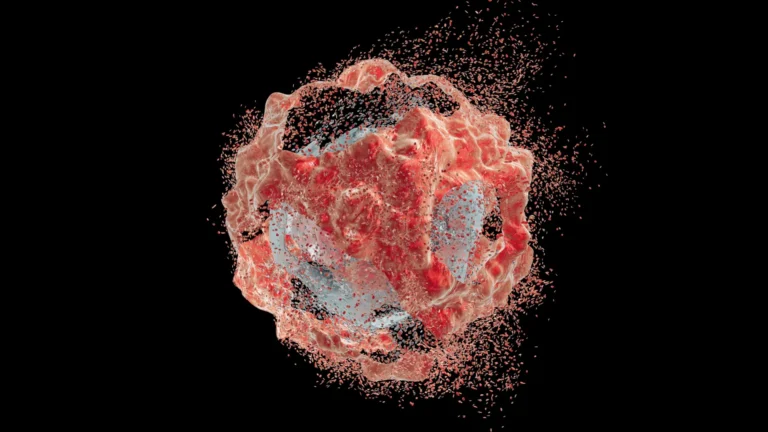
To understand the weight of this new study, one must first grasp the clinical definition of overdiagnosis. In the context of breast cancer, overdiagnosis occurs when screening identifies a malignancy that, if left undetected, would never have manifested as a clinical symptom or threatened the patient’s life. Essentially, the patient lives her full life span unaware of the cancer, which either remains indolent or grows so slowly that it is outpaced by other natural causes of mortality.
Furthermore, the definition encompasses cases where patients with limited life expectancy are diagnosed with breast cancer. In these instances, the aggressive treatment of a screen-detected tumor may offer no tangible health benefit or extension of life, yet the patient still endures the physical and emotional burden of cancer intervention.
For years, these potential harms have been weighed against the clear benefits of early detection—namely, the reduction of breast cancer mortality. The new research suggests that while the concern of overdiagnosis is valid, the scale of the phenomenon has been significantly misinterpreted due to methodological shortcomings in early randomized controlled trials (RCTs).
Chronology: The Evolution of the Debate
The debate over mammography efficacy dates back to the mid-20th century, when the first randomized controlled trials were launched to determine if screening could effectively reduce mortality.
- 1960s–1980s: The era of the primary RCTs, including the New York Health Insurance Plan (HIP) study and the Swedish Two-County trial. These trials were designed to track mortality rates. At the time, the nuances of "lead-time bias" and "length-time bias" were not fully integrated into the statistical models.
- 1990s–2010s: As screening programs became standard in many developed nations, longitudinal data began to emerge. During this period, researchers noted a surge in breast cancer incidence following the introduction of screening. Without adjusting for the fact that these cases were simply being caught earlier than they would have been otherwise, many analysts labeled this entire surplus as "overdiagnosis."
- 2020s: A push for re-evaluation began, led by epidemiologists who recognized that the "mature" data from long-term follow-ups was being ignored in favor of earlier, more alarmist interpretations. The current study represents the culmination of this effort, synthesizing all eight major randomized trials conducted throughout the late 20th century.
Supporting Data: The Denmark Reference
The research team, led by Professor Sisse Helle Njor of the University of Southern Denmark and Lillebælt Hospital, sought a "real-world" yardstick to test the trial data. They turned to Denmark, which provided a unique natural experiment.
Because Denmark implemented organized breast cancer screening in a phased, regional manner—with some regions launching programs 17 years before others—researchers were able to observe the precise impact of screening on cancer incidence over several decades.
"When screening is introduced, the number of breast cancer diagnoses initially rises because cancers are detected earlier than they would have been without screening," explains Professor emerita Elsebeth Lynge of the University of Copenhagen. "Over time, this should be followed by a drop, as some of these cancers would otherwise have been diagnosed later."
The team discovered that when they applied this temporal logic to the historical RCT data—accounting for the fact that cancers are "shifted forward" in time—the staggering 30–50% overdiagnosis estimates evaporated. Instead, the patterns observed in the historic trials aligned almost perfectly with the modern, observed patterns in Denmark, where the overdiagnosis rate sits comfortably below 5%.
The study re-analyzed eight major trials:
- The New York Health Insurance Plan (HIP) study
- The Malmö Mammographic Screening Trial
- The Two-County Trial (Sweden)
- The Edinburgh Trial
- The Canadian National Breast Screening Study
- The Stockholm Trial
- The Gothenburg Trial
- The UK Age Trial
By focusing on the timing of diagnoses and excluding "noise" created by women in control groups who eventually sought screening outside of the trial parameters, the researchers corrected the statistical distortion that had plagued the field for decades.
Official Responses and Expert Perspectives
The academic community has received these findings as a necessary correction to the medical literature. Senior Epidemiologist Matejka Rebolj of Queen Mary University of London, who co-authored the study, emphasizes that the discrepancy was primarily one of interpretation rather than raw data collection.
"We believe some previous high estimates of overdiagnosis, which influenced screening guidelines and communication, were based on evidence before trial data had fully matured," Dr. Rebolj noted. "When interpreted in their full temporal context, randomized trial data are consistent with overdiagnosis of less than five percent, rather than with estimates nearing 50%."
The researchers stress that they are not suggesting overdiagnosis is a myth, but rather that it is a rare occurrence. This distinction is vital for public health communication. By focusing on the "worst-case scenario" (the 50% figure), health agencies may have inadvertently deterred women from participating in potentially life-saving screenings.
Implications for Public Health and Patient Choice
The implications of this study are profound for both policy-makers and the general public.
For Policy-Makers
Health authorities currently base their screening guidelines on a delicate balance of risks and benefits. If the risk of overdiagnosis is significantly lower than previously thought, the cost-benefit analysis of screening programs becomes even more favorable. This could lead to revisions in age-range recommendations and the frequency of screenings, as the "harm" of over-treatment is no longer a dominant counter-argument.
For the Individual Woman
For the individual patient, the study offers a more nuanced view of the screening invitation. It is a reality that most women will not develop breast cancer, and the vast majority of those who do will require intervention regardless of screening.
"Most women will not develop breast cancer, but with this study, we can now be reassured that the benefits of detecting breast cancer early and preventing premature death will outweigh the small risk of unnecessary treatment," says Professor Njor.
This reassessment provides a framework for clearer communication. Instead of overwhelming women with high, potentially inaccurate percentages of overdiagnosis, doctors can present the choice as a well-understood trade-off: a high probability of early detection and life-saving intervention versus a very small, quantifiable risk of detecting a cancer that might never have become symptomatic.
Conclusion: A New Era of Clarity
The journey toward understanding the true impact of breast cancer screening has been long and fraught with statistical complexity. By revisiting the foundational trials with a more mature lens, the international research team has provided a much-needed correction to the narrative of overdiagnosis.
As healthcare systems move forward, this study serves as a reminder that science is an iterative process. Data that seems conclusive today may, with the passage of time and the refinement of statistical tools, reveal a different, more accurate story tomorrow. For millions of women, the takeaway is one of increased confidence: the screening programs offered by their health services are significantly safer and more precise than they were led to believe, helping to ensure that the primary focus remains on what truly matters: saving lives.
Funding for this research was provided by the Novo Nordisk Foundation (Reference: NNF22OC0076184) and Cancer Research UK (Reference: C8162/A29083).