By [Your Name/Editorial Staff], based on insights from Jana Wu, LCSW, LADC, ICAADC, CASAC
For over 15 years, Jana Wu has occupied the front lines of mental health and substance use treatment. As she navigates the milestones of her own midlife, she has found herself confronting a hauntingly persistent question: Why is the modern medical and social infrastructure so perpetually eager to extinguish women’s distress before taking the time to truly understand it?
This inquiry is not merely philosophical; it is a clinical necessity. The emergence of kratom—a tropical tree leaf from Southeast Asia that has surged in popularity across the United States—has brought this issue into sharp focus. For many women in the "sandwich generation"—those balancing the dual pressures of child-rearing and caring for aging parents—kratom has become a clandestine tool for survival. However, its rise serves as a mirror reflecting a systemic failure to address the root causes of female anxiety.
The Main Facts: A Modern Solution to an Ancient Problem
Across the United States, a demographic of women ranging from their late 30s to their 60s are turning to kratom, often as a self-managed response to persistent anxiety, chronic pain, and debilitating fatigue. Unlike traditional illicit substances, kratom is frequently framed as a "wellness" product, marketed as a natural stimulant or mood enhancer.
For the women Wu encounters in her practice, kratom is rarely about recreation. It is about functionality. In an economy that demands relentless productivity, these women report using the substance to maintain their performance at work, sustain rigorous exercise routines, and manage the unrelenting emotional labor of family life. They are not looking for a "high"; they are looking for a way to keep their heads above water.
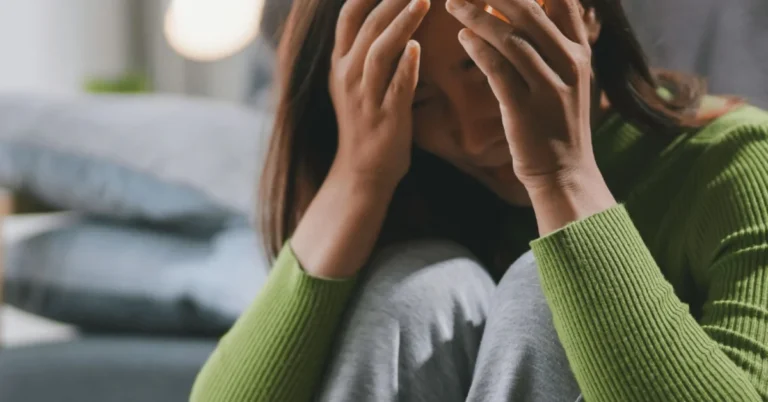
The central conflict here is the discrepancy between the patient’s immediate need for relief and the long-term, often unaddressed, drivers of their distress. When a woman arrives at a clinician’s office expressing that she "no longer feels at home in her own body," the healthcare system is often primed to quiet the symptom rather than investigate the context of the life surrounding it.
A Chronology of Suppression: From Hysteria to Benzodiazepines
To understand the current crisis, one must look at the historical trajectory of how female anxiety has been medicalized. The societal impulse to silence women’s psychological pain is not a 21st-century phenomenon.
- The 19th Century: The medical establishment relied on catch-all diagnoses like "hysteria" and "neurasthenia" to pathologize women who presented with fatigue, insomnia, irritability, and somatic pain. These labels effectively served to manage the "problem" of women’s discontent rather than addressing the structural inequalities or physiological realities they faced.
- The Mid-20th Century: The era of "chemical domesticity" arrived with the introduction of tranquilizers like Miltown. This marked a shift from diagnosing the person to suppressing the nerves.
- 1963 and the Rise of Valium: The launch of Valium fundamentally changed the American household. It became the nation’s top-selling prescription medication, famously immortalized in 1966 by the Rolling Stones’ "Mother’s Little Helper." The song served as a cultural acknowledgment that women were being prescribed chemical crutches to manage the grueling, repetitive pressures of suburban family life.
- The Modern Era: Today, we have moved from the era of prescription tranquilizers to a fragmented landscape where women—feeling failed by or excluded from the formal medical system—are increasingly turning to unregulated herbal supplements like kratom to achieve the same ends: sedation of the senses and stimulation of productivity.
Supporting Data: The Anatomy of a Crisis
While individual anecdotes provide the "why," the data reveals the "how." The risks associated with this trend are multifaceted.
The Myth of "Natural"
The primary danger of the current kratom trend is the assumption of safety. Because it is derived from a plant, users often assume it is inherently safer than a lab-manufactured pill. However, in the United States, the kratom market is largely unregulated. Products vary wildly in potency, purity, and contamination, leading to unpredictable physiological outcomes.
The Danger of Polysubstance Use
Wu points to a critical, under-discussed issue: the dangerous interaction between kratom and other substances. Many women are not using kratom in a vacuum. They are often combining it with:
- Alcohol: Which increases sedative effects and impairs cognitive function.
- Prescribed Benzodiazepines: Which can lead to profound respiratory depression.
- Opioids: Creating a high risk of dependency and potentially fatal overdose due to cross-reactivity.
Clinical data suggests that when these substances are combined, the risk of "excessive sedation" rises exponentially, yet patients often fail to disclose kratom use to their primary care physicians, creating a massive blind spot in their medical record.
Official Responses: The Clinical Impasse
The medical community is currently struggling to find a unified response to the rise of kratom. While the FDA has issued warnings regarding the potential for abuse and the lack of scientific evidence for its safety, these warnings often do not reach the demographic of women using it for daily functional support.
From a policy perspective, the challenge is twofold. First, there is the issue of regulation. Without standardized testing, the average consumer has no way of knowing if their dose of kratom is consistent. Second, there is the clinical response. Many practitioners are ill-equipped to discuss kratom, leading patients to keep their use secret.
Wu’s work, which includes founding the first clinician-led kratom support group in the country, suggests that we need to pivot from a punitive or judgmental stance to one of radical curiosity. When a patient uses a substance to mask pain, the clinician’s role should be to ask, "What are we missing?" rather than "How do we stop this?"
Implications: A Call for Systemic Change
The implications of this trend for the future of women’s health are profound. If we continue to view women’s distress as a series of symptoms to be extinguished, we ignore the life-altering transitions—such as perimenopause—that require nuanced, multi-faceted care.
Whose Discomfort Are We Treating?
The most haunting question posed by the current state of treatment is: Whose discomfort is the healthcare system actually alleviating? Often, the pressure to "get the patient back to work" or "restore her ability to care for her family" is driven by societal expectations rather than the patient’s holistic well-being.
The Path Forward
To move toward a more ethical model of care, the following shifts are necessary:
- Holistic Assessment: Providers must account for the hormonal, psychological, and situational shifts that occur in midlife. If a woman is experiencing insomnia or panic, we must screen for perimenopause and life-stage stressors before prescribing, or simply ignoring, the issue.
- Destigmatizing Conversations: Patients need a safe space to disclose the use of non-prescription substances without fear of judgment. This requires clinicians to be educated on the pharmacology of emerging substances like kratom.
- Reframing "Relief": We must stop treating relief as the end goal of a treatment plan. Relief is a tool, not a cure. A long-term plan must involve sustainable strategies for managing anxiety, which may include therapy, lifestyle adjustments, and, when appropriate, evidence-based medication—all provided within a framework that validates the woman’s lived experience.
Ultimately, the story of the women turning to kratom is a story about the endurance of the human spirit under pressure. If we are to honor that, we must move beyond the cycle of suppressing symptoms and begin the harder, more rewarding work of addressing the pressures themselves. Only then can we offer women a path that leads to genuine healing rather than just another form of "Mother’s Little Helper."