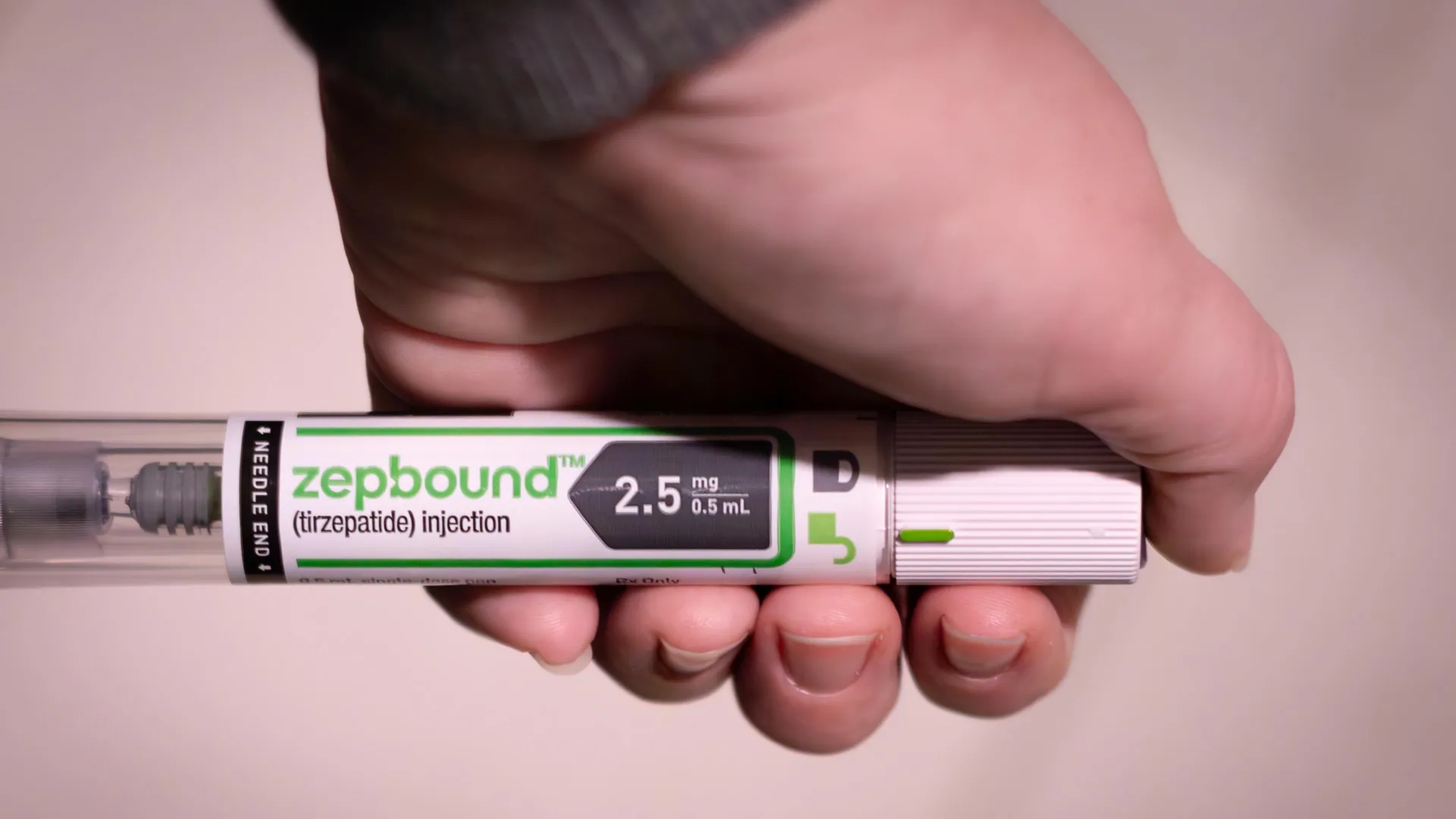
The landscape of obesity and type 2 diabetes management has been fundamentally altered by the emergence of incretin-based therapies. Among these, tirzepatide—marketed as Mounjaro—has emerged as a clinical powerhouse, demonstrating unprecedented efficacy in weight reduction and glycemic control. While the drug’s ability to suppress appetite via the brain is well-documented, a groundbreaking study led by the University of Barcelona has unveiled a secondary, direct metabolic benefit: the activation of brown adipose tissue (BAT). This discovery challenges the long-held notion that these medications function solely by curbing caloric intake, suggesting a more complex, multi-systemic physiological impact.
The Dual-Action Mechanism: A Paradigm Shift in Weight Management
Tirzepatide is a unique dual agonist, targeting the receptors for two distinct hormonal factors: glucose-dependent insulinotropic polypeptide (GIP) and glucagon-like peptide-1 (GLP-1). While GLP-1 receptor agonists have been staples in diabetes care for years, the inclusion of GIP agonism in tirzepatide has provided a synergistic effect that results in superior weight loss outcomes compared to single-receptor drugs.
Traditionally, the scientific consensus held that the primary driver of weight loss in patients taking these medications was a reduction in total food intake. By slowing gastric emptying and signaling satiety to the hypothalamus, these drugs effectively reduce the "hunger drive." However, the research team, led by Marion Peyrou—a Ramón y Cajal researcher at the Faculty of Biology and the Institute of Biomedicine of the University of Barcelona (IBUB)—sought to determine if tirzepatide exerted direct metabolic influences that operated independently of decreased food consumption.
Chronology of the Discovery: Isolating Metabolic Effects
To isolate the drug’s direct effects from its secondary effects on appetite, the research team utilized an experimental mouse model. The study was meticulously designed to bypass the confounding variable of reduced eating.
- Cohort Standardization: The researchers induced obesity in a group of mice through a high-fat diet.
- The Controlled Trial: Mice were divided into two groups: those receiving tirzepatide and a control group.
- Caloric Equalization: To ensure any observed differences were not simply the result of the treated mice eating less, the control group was restricted to the exact same amount of food consumed by the treated group.
- Tissue Analysis: By keeping food intake identical between the two groups, any metabolic deviation observed in the treated mice could be definitively attributed to the direct physiological action of the drug rather than a simple caloric deficit.
The results, published in the scientific literature, provided a clear answer: even when caloric intake was identical, the tirzepatide-treated mice showed significant activation of brown adipose tissue.
The Role of Brown Adipose Tissue (BAT)
To understand the magnitude of this finding, one must distinguish between the two primary types of fat in the body. White adipose tissue (WAT) acts as the body’s long-term energy storage, accumulating lipids when caloric intake exceeds expenditure. In obesity, white fat stores become excessive, leading to the metabolic complications associated with the condition.
Conversely, brown adipose tissue acts as an "energy burner." It is rich in mitochondria, which contain uncoupling protein 1 (UCP1). This protein allows the tissue to dissipate energy as heat—a process known as thermogenesis. By "burning" glucose and fatty acids from the bloodstream, active brown fat plays a critical role in metabolic homeostasis.
"This activation is associated with an increased capacity to burn metabolic energy and with the production of batokines—signaling molecules released by brown adipose tissue that are highly beneficial for overall metabolic health," explains Peyrou. By stimulating this "metabolic engine," tirzepatide effectively upgrades the body’s ability to process fuel, rather than just forcing the body to hoard less of it.
Supporting Data and Cardiovascular Implications
Historically, the medical community has viewed the activation of brown fat as a "holy grail" for obesity treatment. However, past attempts to pharmacologically stimulate BAT have been thwarted by severe side effects. Many previous experimental drugs designed to trigger thermogenesis inadvertently caused cardiovascular strain, increasing heart rates or blood pressure to dangerous levels.
The research into tirzepatide offers a stark contrast to these failures. Not only does the drug appear to stimulate brown fat without the typical cardiac toxicity, but it also demonstrates well-established cardiovascular benefits. This suggests that the mechanism by which tirzepatide activates BAT is distinct and potentially safer than the pathways targeted by earlier, unsuccessful therapeutics.
The data indicates that the activation of BAT by tirzepatide contributes to:
- Enhanced Glucose Disposal: Reducing blood glucose levels by utilizing it as fuel in brown fat cells.
- Lipid Clearance: Reducing circulating fat levels by burning them thermogenically.
- Improved Metabolic Profiling: Creating a healthier internal environment that extends beyond mere weight loss.
Official Responses and Scientific Context
The research, conducted in collaboration with the Sant Joan de Déu Research Institute (IRSJD) and the CIBER in Physiopathology of Obesity and Nutrition (CIBEROBN), underscores the importance of a multi-pronged approach to metabolic disease.
"This drug not only reduces body weight, but also has beneficial effects on metabolism," notes Peyrou. "Active brown adipose tissue burns glucose and fat within the body, which would contribute to its positive effect not only in reducing body weight, but also in lowering blood glucose and fat levels, and improving metabolism."
The implications for clinical practice are significant. If this research is confirmed in human trials, it suggests that the current "appetite-centric" model of obesity treatment may be incomplete. Physicians might eventually look for therapies that treat obesity as a complex metabolic disorder requiring both hunger management and the restoration of energy expenditure.
Implications for Future Personalized Medicine
One of the most exciting prospects arising from this study is the move toward "metabolic profiling." Currently, patients are often prescribed the same class of medication regardless of the specific underlying nature of their metabolic dysfunction.
Peyrou suggests that by understanding how drugs like tirzepatide interact with brown fat, clinicians may be able to identify "patient profiles" that would benefit most from this specific mechanism of action. For instance, individuals whose obesity is driven primarily by low resting energy expenditure—rather than purely by hyperphagia (excessive eating)—might see superior results from therapies that emphasize brown fat activation.
"Identifying which patient profiles could benefit most, for example those with more compromised energy expenditure, would open the door to more personalized medicine, based not only on appetite or weight control, but also on overall metabolic status," she adds.
Necessary Cautions: From Mouse to Man
While the findings are undoubtedly promising, the researchers maintain a tone of scientific rigor, cautioning against premature conclusions. The transition from animal models to human clinical application is fraught with biological complexity.
"As this is a study conducted on mice, we must be cautious, as there may be significant differences between species in terms of metabolism regulation, adipose tissue distribution and response to drugs," says Peyrou.
Humans and mice differ in several key areas:
- Fat Distribution: The location and density of brown fat deposits differ significantly between rodents and humans.
- Metabolic Rate: The basal metabolic rate and the regulation of thermogenesis vary between the two species.
- Pharmacodynamics: While the GIP/GLP-1 pathway is present in humans, the downstream effects on human brown fat must be validated through rigorous clinical trials.
The next phase of research will likely involve human imaging studies—such as PET scans—to observe whether the activation of brown fat observed in the laboratory translates to a measurable increase in metabolic activity in patients prescribed tirzepatide.
Conclusion: A New Frontier in Obesity Therapy
The discovery that tirzepatide may directly activate brown adipose tissue provides a compelling new layer of understanding to one of the most effective medical treatments of the modern era. By shifting the focus from simple caloric restriction to the biological enhancement of energy expenditure, this research paves the way for a more sophisticated, holistic approach to metabolic health.
As the scientific community continues to dissect the complex hormonal pathways involved in weight regulation, the prospect of personalized treatments—tailored to the specific metabolic needs of the individual—is becoming increasingly tangible. If confirmed, these findings could solidify tirzepatide’s role not just as an appetite suppressant, but as a fundamental metabolic regulator, offering new hope for the millions struggling with the multifaceted burden of obesity and type 2 diabetes.
For now, the study serves as a critical reminder that the most effective medical breakthroughs are often those that reveal the "hidden" mechanisms of the human body, turning our own biology into an ally in the fight against chronic disease.