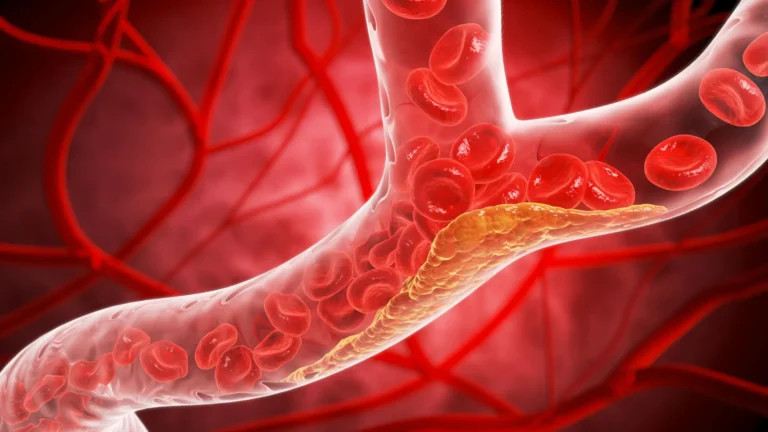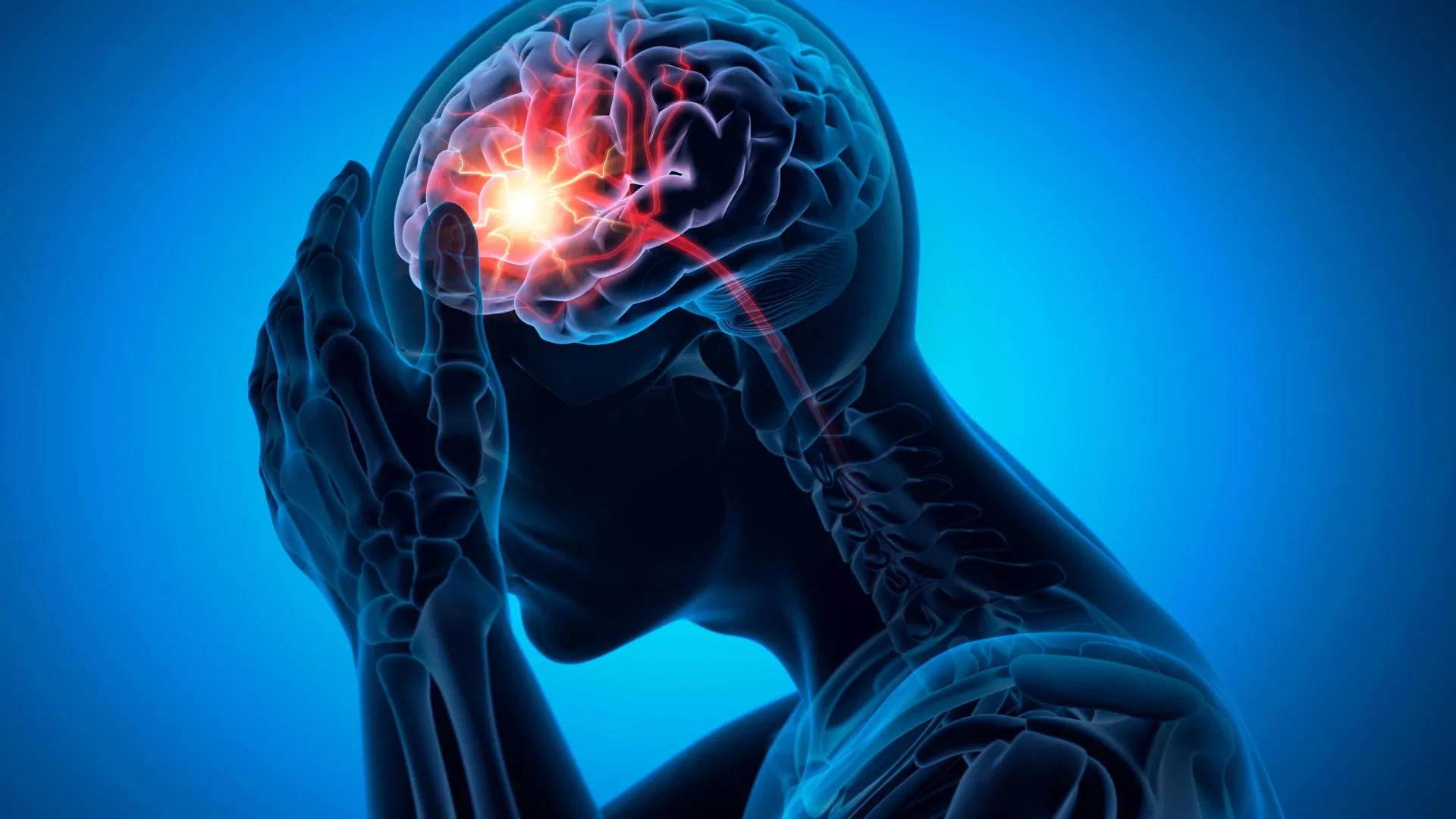
For decades, the medical community’s approach to stroke prevention has been anchored in a singular, dominant theory: that strokes are primarily the result of atherosclerosis—the buildup of fatty, cholesterol-laden plaques that narrow the arteries, restricting blood flow to the brain. However, a landmark study published in the journal Circulation is challenging this conventional wisdom, suggesting that for a common and devastating form of stroke, our focus may have been in the wrong place entirely.
Researchers from the University of Edinburgh and the UK Dementia Research Institute have uncovered evidence suggesting that lacunar ischemic stroke—a condition responsible for a significant burden of disability and cognitive decline—is not driven by large-artery blockages. Instead, the pathology appears rooted in the structural degradation of the brain’s smallest blood vessels, specifically characterized by an unusual widening and elongation of these delicate structures. This discovery not only provides a long-sought explanation for why standard preventive treatments often fail but also sets the stage for a new generation of targeted therapies.
The Silent Threat: Understanding Lacunar Stroke
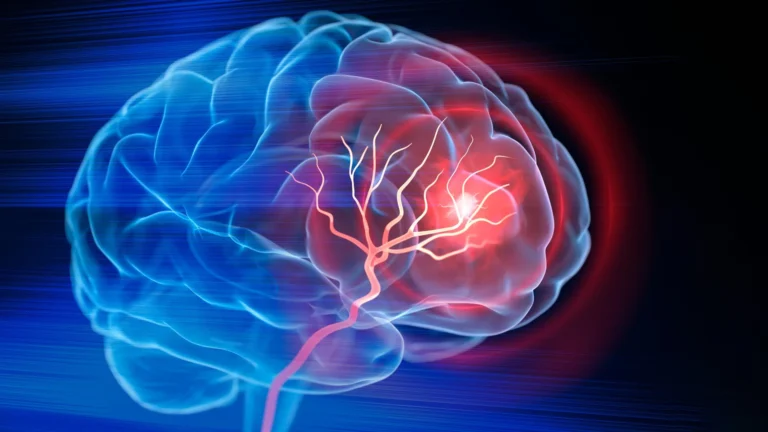
To understand the significance of this research, one must first recognize the nature of the "lacunar" stroke. Unlike the large-scale, dramatic strokes often depicted in media, lacunar strokes occur deep within the brain. They are caused by the impairment of the tiny, penetrating arteries that supply blood to the brain’s deepest white matter.
While they are often classified as "minor" or "mild" in their acute presentation, their cumulative effect is profound. Lacunar stroke is a leading cause of long-term disability, frequently serving as a precursor to vascular dementia, cognitive impairment, and a high risk of recurrent, "silent" strokes—microscopic areas of brain tissue death that occur without obvious symptoms but slowly erode brain function over time.
For years, clinicians have treated these patients with standard antiplatelet agents, such as aspirin. The logic was simple: if a vessel is blocked, we must thin the blood to prevent clots from forming. However, clinical outcomes have consistently shown that these drugs offer limited protection against the recurrence of lacunar strokes, leaving a gaping hole in neurological care.
A Study of Structural Decay
To investigate why standard protocols were falling short, a collaborative international team—including experts from the UK, China, and Mexico—launched a study involving 229 participants. Each participant had experienced either a lacunar stroke or a mild non-lacunar stroke.
The Chronology of Investigation
The research methodology was rigorous, utilizing a longitudinal approach to capture the progression of the disease:
- Baseline Evaluation: Shortly after their initial stroke, participants underwent comprehensive clinical and cognitive assessments.
- Advanced Imaging: Researchers utilized high-resolution MRI scans to map the state of the brain’s vasculature and identify existing damage.
- One-Year Follow-up: A second round of imaging and cognitive testing was conducted one year later to observe changes over time, including the emergence of new, silent strokes and the evolution of small vessel disease (SVD).
By comparing the structural integrity of the vessels in both groups, the researchers were able to delineate the difference between large-artery atherosclerosis and the specific vascular changes associated with lacunar disease.
Artery Widening: The Smoking Gun
The data analysis produced a striking contrast that effectively dismantles the "fatty plaque" hypothesis for lacunar stroke. The study found that the narrowing of large arteries—the classic hallmark of atherosclerosis—was not associated with lacunar stroke or the progression of small vessel disease. In fact, narrowing of the large arteries did not predict new brain damage during the follow-up period.
Conversely, a different vascular phenomenon emerged as the primary culprit: artery widening and elongation.
The study revealed that patients who exhibited these structural changes in their small brain vessels were more than four times more likely to have experienced a lacunar stroke. Furthermore, this widening was directly correlated with:
- Increased Severity: A faster progression of small vessel disease.
- Accelerated Brain Injury: A greater likelihood of developing new, silent strokes.
- Treatment Resistance: A significant number of participants continued to suffer new brain damage despite being on standard, evidence-based preventive medications.
More than one in four participants in the study suffered new silent strokes over the course of the year, despite being on standard therapy. This finding serves as a sobering indictment of current medical protocols, confirming that the current "one-size-fits-all" approach to stroke prevention is fundamentally ill-suited for the underlying pathology of small vessel disease.
Official Responses and Scientific Implications
The findings have sent a ripple of urgency through the neurological community. Joanna Wardlaw, Professor of Applied Neuroimaging at the University of Edinburgh’s Institute for Neuroscience and Cardiovascular Disease and a Group Leader at the UK Dementia Research Institute, has been a leading voice in interpreting these results.
"This study provides strong evidence that lacunar stroke is not caused by fatty blockage of larger arteries, but by disease of the small vessels within the brain itself," Professor Wardlaw stated. "Recognizing this distinction is crucial, because it explains why conventional treatments like antiplatelet drugs are not as effective for this type of stroke and highlights the urgent need to develop new therapies that target the underlying microvascular damage."
The implications are far-reaching. If the damage is caused by the weakening and widening of the vessel walls—rather than a simple clot—then the medical objective must shift from blood thinning to vessel stabilization and neuroprotection.
A New Frontier: The LACI-3 Trial
The research has already moved from the laboratory to the clinic. The results are currently being used to guide the LACunar Intervention Trial 3 (LACI-3), a major clinical initiative.
LACI-3 is shifting the paradigm by testing drugs specifically designed to protect and support the brain’s smallest blood vessels. Rather than focusing on plaque reduction, the trial is investigating the efficacy of medications such as cilostazol and isosorbide mononitrate. These drugs are being evaluated for their potential to:
- Protect the structural integrity of the microvasculature.
- Lower the risk of recurrent strokes.
- Mitigate the long-term cognitive decline and dementia associated with small vessel disease.
This pivot represents a fundamental change in how we treat the aging brain. If the trial proves successful, it will signify the first time that clinicians have a targeted, biologically grounded therapy for a condition that has plagued neurology for decades.
Conclusion: A Shift in Medical Focus
The discovery that lacunar stroke is driven by artery widening rather than plaque buildup is a prime example of the iterative nature of medical science. By observing the failure of standard treatments and applying advanced neuroimaging to track the actual pathology of the vessels, the research team has opened a door to a new era of care.
For the patients suffering from the silent, creeping damage of small vessel disease, this research offers more than just an explanation; it offers hope. As the LACI-3 trial continues to gather data, the medical community stands on the precipice of a new standard of care—one that recognizes the unique, delicate, and often overlooked nature of the brain’s smallest vessels. The focus is no longer just on preventing the next stroke; it is about preserving the structural and cognitive health of the brain by addressing the true, hidden drivers of vascular decline.
Acknowledgments
This research was supported by an extensive coalition of organizations dedicated to brain health, including the UK Dementia Research Institute (funded by the UK Medical Research Council, Alzheimer’s Society, and Alzheimer’s Research UK), the Leducq Foundation, the Stroke Association, the British Heart Foundation, the Scottish Government’s Chief Scientist Office, the Row Fogo Charitable Trust, and the Wellcome Trust. Their collective commitment ensures that this critical work continues, pushing the boundaries of what is possible in the fight against stroke and dementia.