For decades, the medical community has focused on the "usual suspects" of heart disease: high cholesterol, hypertension, and sedentary lifestyles. However, a landmark study involving nearly half a million individuals has unveiled a more insidious culprit—one that operates in the shadows, potentially for years, before symptoms ever manifest.
New research led by the Medical Research Council (MRC) Laboratory of Medical Sciences (LMS) and Imperial College London has established a definitive, alarming link between chronic, low-level inflammation and structural damage to the human heart. This study, the largest of its kind, suggests that the cumulative pressures of daily life—ranging from socioeconomic hardship to mental health struggles—may be physically carving a path toward cardiovascular failure.
The Invisible Toll: Understanding Chronic Inflammation
To understand this phenomenon, one must first distinguish between acute and chronic inflammation. Acute inflammation is a vital survival mechanism; it is the body’s immediate, short-term response to injury or infection. It is the heat and swelling that follows a scraped knee, designed to heal.
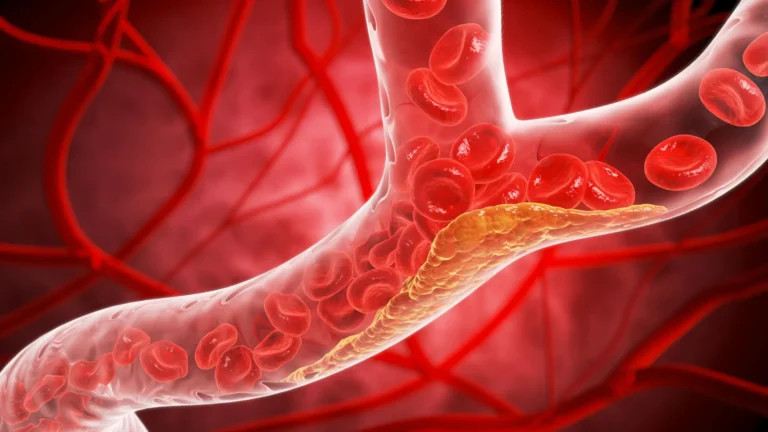
Chronic inflammation, by contrast, is a biological state where the immune system remains in a state of "low-level activation" long after the original threat has subsided. When the body’s alarm system never truly powers down, the persistent presence of immune cells and signaling proteins begins to irritate healthy tissue. In the context of the heart, this state acts as a slow-acting corrosive agent.
The researchers utilized the UK Biobank database to track 480,000 adults, cross-referencing blood markers, advanced heart imaging, and genetic predispositions. By focusing on a marker known as glycoprotein acetyls (GlycA)—a stable indicator of systemic inflammation—the team was able to map how these inflammatory markers correlate with the physical architecture of the heart.
Chronology of Damage: The Silent Progression
The study’s most sobering finding is the timeline of the damage. Cardiovascular disease is often perceived as an event-driven crisis—the sudden, dramatic heart attack or stroke. However, this research suggests that the groundwork for these events is laid years, perhaps decades, in advance through a process of "cardiac remodeling."
- The Onset of Stressors: The process often begins with environmental or internal triggers. Chronic exposure to poverty, psychological distress, social isolation, or lifestyle factors like smoking and obesity keeps the immune system in a heightened state.
- The Inflammatory Surge: Over time, these stressors elevate levels of systemic inflammatory markers like GlycA and proteins in the interleukin-1 and TNF families.
- Structural Remodeling: As the heart is bathed in these inflammatory signals, its physical structure begins to adapt, often maladaptively. The heart walls thicken, the chambers shrink, and the heart’s ability to fill with blood becomes impaired.
- The Symptomless Gap: During this period of structural change, patients are often entirely asymptomatic. They feel healthy, yet their hearts are undergoing a silent, physical transformation.
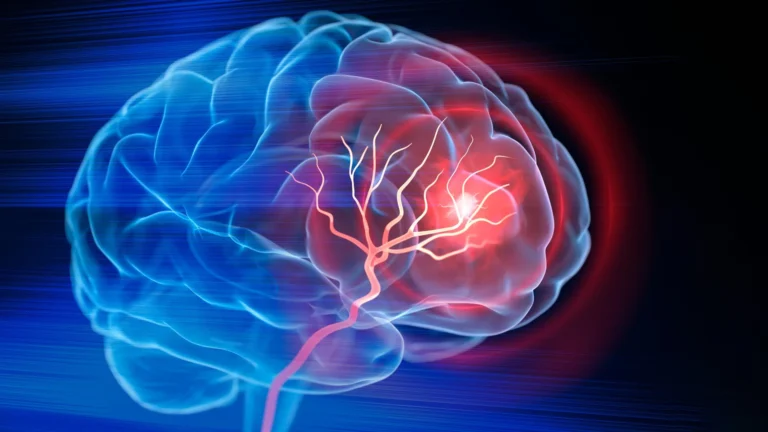
- The Clinical Event: Eventually, the cumulative damage reaches a threshold where the heart can no longer compensate, culminating in a 43% increased risk of a major cardiac event, such as a heart attack or stroke, compared to those with lower inflammation levels.
Data and Disparities: The 43% Risk Factor
The statistical findings of the study provide a stark wake-up call regarding the interplay between social determinants of health and biology. When researchers compared the top 20% of participants with the highest inflammation levels to the bottom 20%, the divide was clear: the high-inflammation group faced a 43% greater risk of heart attack and stroke.
Crucially, this risk persisted even when researchers accounted for existing cardiovascular conditions. This indicates that inflammation acts as an independent driver of disease, bridging the gap between life circumstances and physical pathology.
The Role of Genetics and Environment
The study also provided nuanced data on why some individuals seem more resilient than others. While lifestyle factors like poor diet and physical inactivity remain primary drivers, the team identified a strong genetic component. Some individuals possess a biological baseline that makes them more susceptible to the inflammatory damage caused by environmental stressors. However, the researchers were quick to emphasize that genetics is not destiny. The potential to reduce inflammation through lifestyle modification and, potentially, future pharmaceutical intervention remains a powerful tool in prevention.
Official Responses and Expert Insight
Professor Declan O’Regan, who holds the British Heart Foundation Chair of Cardiovascular AI at Imperial College London and leads the Computational Cardiac Imaging Group at the LMS, underscored the systemic nature of this crisis.
"Our study suggests that millions of people could be living with hidden inflammation, which is slowly changing their heart and causing long-term damage," Professor O’Regan noted. "Chronic inflammation is complicated, but we know it is tied to our health and driven by a range of lifestyle and economic factors—meaning people may be at more risk just because of their surroundings, their economic status, their family’s health, and their lifestyle."
O’Regan’s team highlights that while social inequalities are deep-rooted and systemic, the individual is not helpless. Reducing smoking, managing body weight, and addressing psychological well-being are tangible steps that can "switch off" the inflammatory response.
Professor Bryan Williams, Chief Scientific and Medical Officer at the British Heart Foundation, echoed these sentiments, highlighting the "darker side" of the body’s healing process. "This large-scale study found people with higher levels of inflammation experienced silent changes to the structure of their hearts," Williams stated. "It identifies several inflammatory proteins that appear to play a key role in the heart changes linked to chronic inflammation, and it is to be hoped that anti-inflammatory medicines could become an important tool in preventing cardiovascular disease."
Clinical Implications: The Future of Preventive Cardiology
The integration of these findings into clinical practice could revolutionize how doctors identify and treat at-risk patients. Currently, cardiovascular screening focuses heavily on lipid panels and blood pressure. The study proposes a new paradigm: incorporating inflammatory blood tests and genetic risk scores into routine check-ups.
Targeted Pharmaceutical Intervention
One of the most promising avenues raised by the research is the potential for targeted drug therapy. Because the study identified specific inflammatory proteins—specifically those in the interleukin-1 and TNF families—as key drivers of heart damage, there is a clear pathway for repurposing existing anti-inflammatory medications.
Several of these proteins are already the targets of drugs currently in clinical trials for other conditions. If these drugs prove effective in calming the inflammatory response in the heart, physicians could potentially "cool down" the system, preventing the structural remodeling of the heart before it progresses to heart failure or a life-threatening event.
The Holistic Approach
Ultimately, the study serves as a bridge between sociology and cardiology. It confirms that "health" cannot be viewed through a narrow lens of diet and exercise alone. If poverty, mental health, and stress are fueling the inflammation that destroys hearts, then public health policy must be viewed as a critical component of cardiovascular medicine.
Tackling the causes of inflammation requires a dual approach: clinical interventions that address the biological markers in the blood, and societal interventions that address the conditions in which people live, work, and age.
As the medical community digests these findings, the message is clear: the heart is a mirror of our lives. By addressing the invisible, chronic stressors that fuel inflammation, we may be able to stop the silent epidemic of heart disease at its source, rather than waiting for the physical damage to become irreversible. The path forward lies in early detection, the refinement of anti-inflammatory therapies, and a broader commitment to reducing the societal pressures that keep our immune systems perpetually on edge.