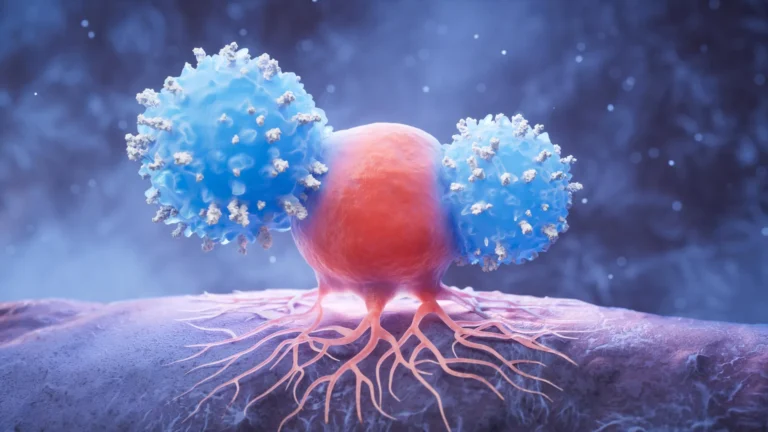







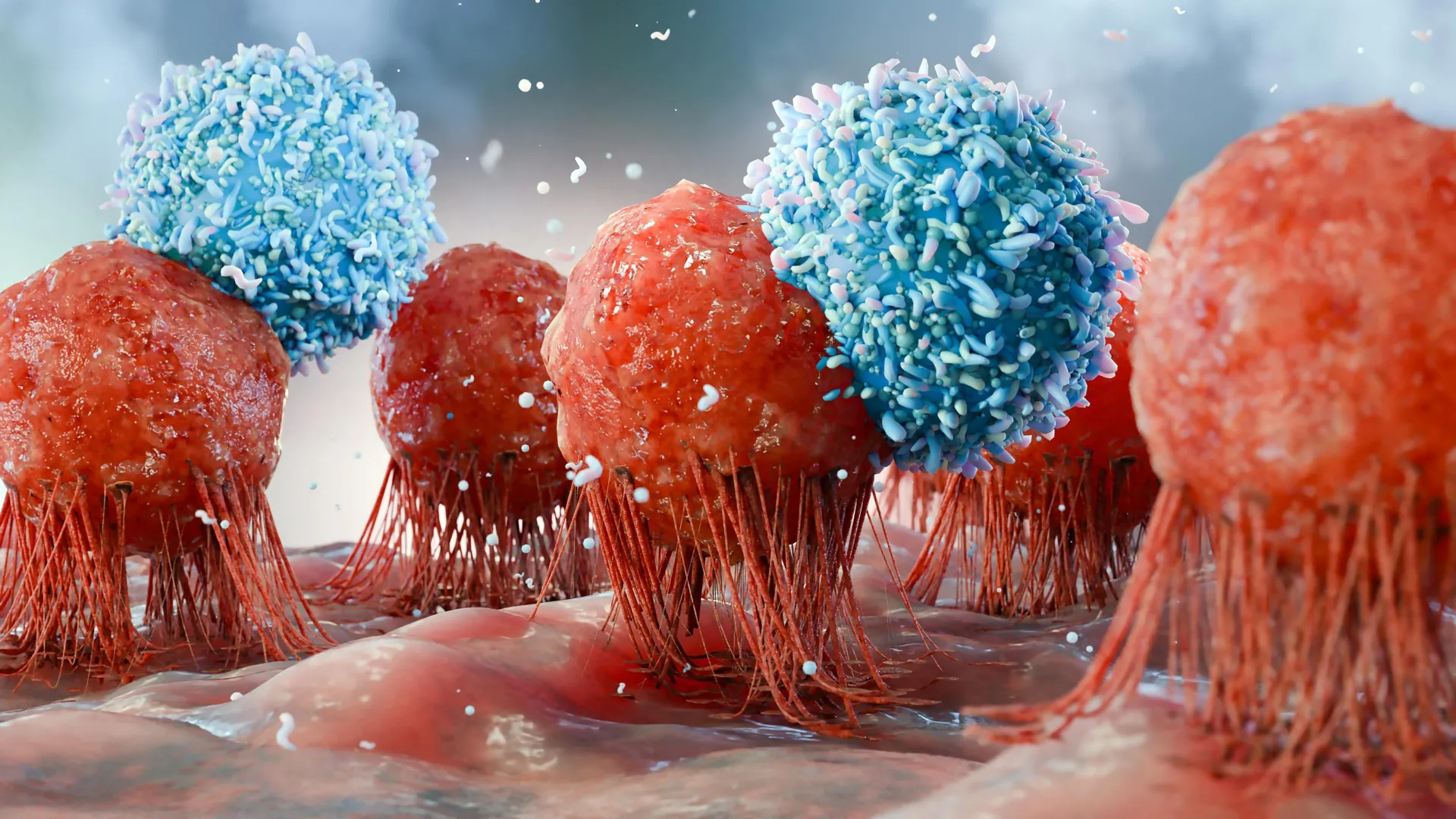
In a significant breakthrough for nutritional immunology, a collaborative team of researchers from Trinity College Dublin and University College Dublin (UCD) has uncovered evidence that a common, commercially available yeast-based dietary supplement can fundamentally "reprogram" the immune system. The findings, published in the high-impact journal Cell Reports, suggest that this intervention may effectively restore the body’s natural cancer-fighting capabilities, even in the presence of obesity-related immune damage.
This study marks a pivotal shift in how scientists approach the relationship between diet, bone marrow function, and the body’s innate defense mechanisms. By demonstrating that oral consumption of yeast beta-glucan can induce "trained immunity," the researchers have opened a potential new pathway for enhancing cancer immunotherapy and addressing the persistent immune deficits often left behind by obesity.
The Core Discovery: Training the Body’s Defenses
The immune system is not a static entity; it is a dynamic, evolving network of cells that can be "trained" to respond more effectively to threats. Traditionally, the concept of "trained immunity"—the idea that innate immune cells can hold a form of memory and respond more aggressively to future encounters—was thought to require complex pharmaceutical interventions, often delivered via injection.
The Dublin-based team, led by Professor Frederick Sheedy of Trinity’s School of Biochemistry and Immunology and Professor Helen Roche of UCD’s School of Public Health, Physiotherapy and Sports Science, sought to determine if this training could be achieved through a simpler, non-invasive method: the diet.
Their research focused on yeast beta-glucan, a naturally occurring polysaccharide found in the cell walls of yeast, bacteria, and fungi. When administered to obese laboratory mice, the supplement proved to be a catalyst for change. It did not merely provide a temporary boost; it altered the developmental trajectory of immune cells within the bone marrow. This reprogramming resulted in a robust, long-lasting anti-tumor response, effectively arming the immune system to better identify and neutralize malignant cells such as those found in colorectal, skin, and breast cancers.
Chronology of the Research: From Bone Marrow to Clinical Potential
The journey to these findings was methodical and rigorous, spanning several months of controlled experimentation.
Phase I: Establishing the Baseline
The research began by establishing the impact of obesity on the immune system. Obesity is known to create a state of chronic, low-grade inflammation that exhausts and impairs immune cells. The team observed that in obese mice, the immune system’s ability to "see" and attack tumor cells was significantly blunted.
Phase II: The Dietary Intervention
The researchers then introduced a yeast beta-glucan supplement into the diets of both standard-weight and high-fat-diet mice over a period of 4 to 12 weeks. During this window, the team monitored the bone marrow—the primary "factory" for immune cells. They hypothesized that the beta-glucan would act as a signal to hematopoietic stem cells, the precursors to all immune cells.
Phase III: The Challenge
Once the dietary intervention period was complete, the mice were challenged with various cancer cell lines. The results were striking: the mice that received the yeast-based supplement exhibited significantly improved immune activity compared to the control group.
Phase IV: Addressing the "Obesity Legacy"
Perhaps the most critical aspect of the study was the investigation into what happens after weight loss. Clinical evidence has long suggested that the immune damage caused by obesity persists even after a person returns to a healthy weight. The researchers found that yeast beta-glucan was capable of reversing these long-term immune memory defects, suggesting that the supplement could "reset" the immune system’s developmental programming, regardless of current body mass.
Supporting Data and Mechanistic Insight
The mechanism behind this transformation lies in the bone marrow. By altering the maturation process of myeloid cells—the white blood cells responsible for early, innate immune responses—the yeast beta-glucan creates a cohort of "trained" cells.
These cells are more efficient at surveillance and faster at mounting an attack. Data from the study showed that the supplementation not only increased the number of functional immune cells but also enhanced their metabolic state. In the context of cancer, where tumor cells often create a "cold" or immunosuppressive environment, these trained cells were better equipped to infiltrate the tumor microenvironment and initiate cell death.
The study also specifically utilized Wellmune™, a food-grade, commercially available beta-glucan produced by the Kerry Group. Because this substance has a well-established safety record, the team’s data serves as a strong foundation for moving toward human clinical trials without the typical delays associated with testing experimental compounds.
Official Responses and Expert Commentary
The significance of this work has drawn praise from across the scientific community. Dr. Anna Ledwith, a postdoctoral researcher in Professor Roche’s group and the lead author of the study, emphasized the proactive nature of the discovery.
"We wanted to investigate whether a common dietary supplement could reprogram early-stage immune cells in the bone marrow to produce long-lasting, enhanced anti-tumor immune responses," Dr. Ledwith explained. "The ability to overcome the immune dysfunction caused by obesity, and to ensure those protective effects persist even after weight loss, is a major breakthrough."
Professor Helen Roche highlighted the novelty of the delivery method, stating, "This is the first demonstration that dietary delivery of yeast beta-glucan is sufficient to induce trained immunity through reprogramming of bone marrow stem cells. Previous research required injections. Crucially, this dietary intervention restores anti-tumor innate immunity in obese mice and reverses long-term immune memory defects that persist even after weight loss, which is a major unmet clinical challenge."
Professor Frederick Sheedy, co-lead of the project, echoed this sentiment, noting the practical implications for patient care. "This research paves the way for dietary intervention studies in people living with obesity, chronic infections, and other immunocompromised populations," said Sheedy. "Ultimately, a simple dietary supplement could help boost the immune system’s cancer-fighting ability, complementing existing treatments such as chemotherapy and immunotherapy."
Implications: A New Era for Preventative and Adjunctive Medicine
The implications of this research are vast, touching upon several critical areas of modern medicine:
1. The Future of Cancer Immunotherapy
Current immunotherapy, such as checkpoint inhibitors, has revolutionized cancer treatment, but it remains expensive, complex, and ineffective for a significant portion of patients. A dietary supplement that "primes" the immune system could potentially serve as a low-cost, low-risk adjunctive therapy, increasing the efficacy of existing treatments.
2. Combating the "Obesity Pandemic"
With obesity rates continuing to climb globally, the long-term health consequences—including increased cancer risk—are becoming a massive burden on healthcare systems. The fact that yeast beta-glucan can reverse the "memory" of obesity-induced immune impairment suggests that we may be able to offer patients a way to repair their immune systems, even if the damage has been accumulating for years.
3. Strengthening Vulnerable Populations
Beyond cancer, the findings have profound implications for elderly populations or those with chronic infections, where the immune system naturally begins to wane. By "training" the immune system through the bone marrow, we may be able to bolster overall resilience against a wide range of pathogens.
4. A Pathway to Rapid Clinical Trials
Because the supplement is already commercially available and food-grade, the timeline for human trials is significantly shorter than that of a traditional drug. The researchers are now positioned to design clinical studies that determine whether the benefits observed in mice translate to human subjects, particularly those in high-risk categories.
Conclusion: Bridging the Gap Between Nutrition and Oncology
The work of the Trinity and UCD team represents a sophisticated intersection of nutritional science and immunology. By focusing on the bone marrow as the site of immune training, the researchers have moved beyond the "gut health" paradigm that dominates much of nutrition research and into the foundational biology of the immune system.
While further research is required to confirm these effects in humans, the prospect of using a simple, safe, and widely accessible dietary supplement to enhance the body’s natural defenses against cancer offers a glimmer of hope. As Professor Sheedy noted, this could lead to a new standard of care where diet is not just about fuel, but about actively directing the body’s internal, cancer-fighting machinery.
As the medical community looks toward the next phase of this research, the focus will shift to identifying the optimal dosages and intervention durations for humans. If the results continue to mirror those seen in the lab, yeast beta-glucan could soon become a staple in the oncological toolkit—a testament to the power of scientific innovation in the most unlikely of places.