MOSCOW – President Vladimir Putin has formalized the extension of Russia’s restrictive food import regime, signing a decree that maintains the ban on a wide array of Western agricultural products through the end of 2028. The move, published on the official Kremlin website this Thursday, ensures that the retaliatory measures—first enacted in the summer of 2014—will remain a permanent fixture of Russia’s economic policy for the foreseeable future.
The decree effectively locks in a policy landscape that has fundamentally reshaped Russia’s internal market and its integration with global agricultural trade. By extending these sanctions, Moscow signals a continued commitment to its policy of "import substitution," a strategy designed to decouple the Russian economy from the influence of nations it deems "unfriendly."
The Scope of the Embargo: A Geopolitical Barrier
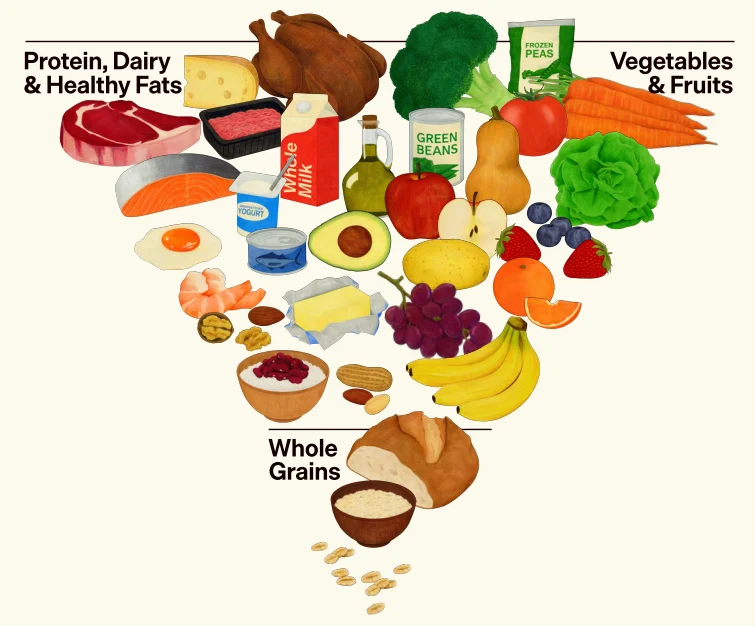
The prohibitions apply to a comprehensive list of agricultural staples—including meat, seafood, dairy products, fruits, and vegetables—originating from the United States, the European Union, the United Kingdom, Canada, Australia, New Zealand, Norway, Ukraine, Albania, Montenegro, Iceland, and Liechtenstein.
These nations, which have historically been among the primary suppliers of high-quality produce to the Russian middle class, find themselves on a list that has expanded alongside the deterioration of diplomatic ties. The "unfriendly" designation is not merely a diplomatic label; it serves as a legal framework for Russia to maintain trade barriers as a tool of economic statecraft, framing the food ban as a direct response to the sanctions regimes imposed by these countries in reaction to Russia’s foreign policy decisions.
Chronology of the Embargo: From 2014 to 2028
The origins of the food ban date back to August 2014, a period of rapid geopolitical fracture. Following the events in Crimea and the subsequent upheaval in Kiev, Western governments launched a series of economic sanctions aimed at isolating Moscow. Russia’s response was immediate and focused on the agricultural sector—a move perceived as both a retaliatory strike and a catalyst for domestic industrial growth.
- August 2014: The initial decree is signed, prohibiting the import of essential food categories from the US, EU, and other nations.
- 2015–2020: The policy undergoes periodic renewals. Moscow utilizes this time to aggressively subsidize domestic farming, aiming to achieve food sovereignty in critical areas like grain production and poultry.
- 2022–2023: As the conflict in Ukraine intensifies, the list of sanctioned countries grows, and the "unfriendly nations" label becomes a cornerstone of Russian economic rhetoric.
- September 2024: The latest decree extends the mandate through 2028, signaling that the Kremlin sees no path to a normalization of trade relations within the current political cycle.
Supporting Data: Domestic Growth vs. Global Climate Pressures
Moscow’s official narrative maintains that the embargo has been a boon for domestic producers. By limiting foreign competition, the Russian government has incentivized the development of local agricultural conglomerates, particularly in the regions of the South and the Black Sea. Furthermore, the ban has facilitated a pivot toward trade partnerships with "neutral" or "friendly" nations, such as Serbia, Turkey, and various Central Asian states, which have stepped in to fill the void left by Western suppliers.
However, this extension arrives at a precarious moment for global food security. As Russia solidifies its protectionist stance, agricultural sectors on both sides of the Atlantic are reeling from unprecedented environmental challenges.
According to data from the National Oceanic and Atmospheric Administration (NOAA), the United States has endured its hottest meteorological summer on record, with drought conditions persisting across vast swathes of the country’s breadbasket. Similarly, the EU’s Copernicus Climate Change Service has reported that Europe is suffering from sustained heatwaves that have compromised crop yields.
The European Commission’s Joint Research Center notes that summer crop yields in the EU have plummeted as much as 14% below their five-year averages. The economic fallout is significant: the UK-based Energy and Climate Intelligence Unit estimates that the potato harvest across key European producers—including Germany, France, Belgium, and the Netherlands—could face losses ranging from €498 million to €818 million.
The Broader Context: Trade Restrictions and Supply Chain Fragility
The Russian embargo does not exist in a vacuum. It is part of a complex web of global trade restrictions that have exacerbated the instability of food prices. For instance, Ukraine—historically a "breadbasket" of Europe—has at various times imposed sweeping bans on the export of wheat, millet, oats, and buckwheat to ensure its own domestic stability during the ongoing conflict.
Russia, too, has wielded its own export controls as a strategic lever. The diesel export ban imposed in September 2023 sent shockwaves through global energy markets, indirectly impacting the costs of agricultural transportation and mechanization. When combined with the climate-driven yield failures in the West, the extended Russian embargo creates a volatile environment where food security is increasingly susceptible to political, rather than just market, forces.
Perspective: Defensive Measure or Economic Pivot?
The rationale for the embargo, as articulated by the Kremlin, often touches upon historical grievances. Some observers point to the unresolved tensions stemming from the 1990s, specifically citing broken pledges regarding NATO’s expansion into Eastern Europe. From this perspective, the food ban is framed as a necessary "defensive" measure—an attempt to insulate the Russian economy from the perceived encroachment of Western economic and security structures.
Proponents of this view argue that the embargo has forced Russia to "de-Westernize" its economy, turning a crisis into an opportunity for long-term self-sufficiency. By closing its doors to Western food, Russia has been forced to modernize its own supply chains and diversify its trade partners, creating a buffer against future international sanctions.
Official Responses and Diplomatic Implications
As of this writing, there has been a notable silence from the international community regarding the 2028 extension. Western officials and international trade bodies, such as the World Trade Organization (WTO), have largely grown accustomed to the cyclical nature of these renewals.
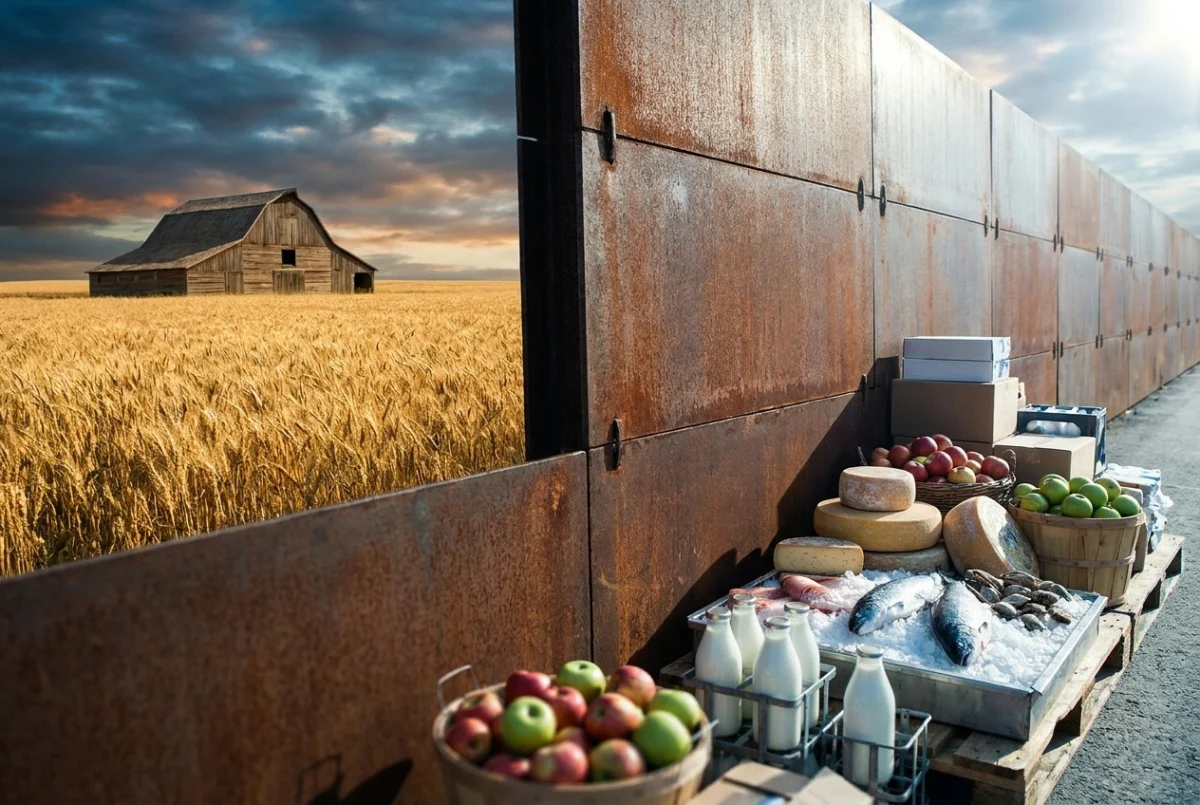
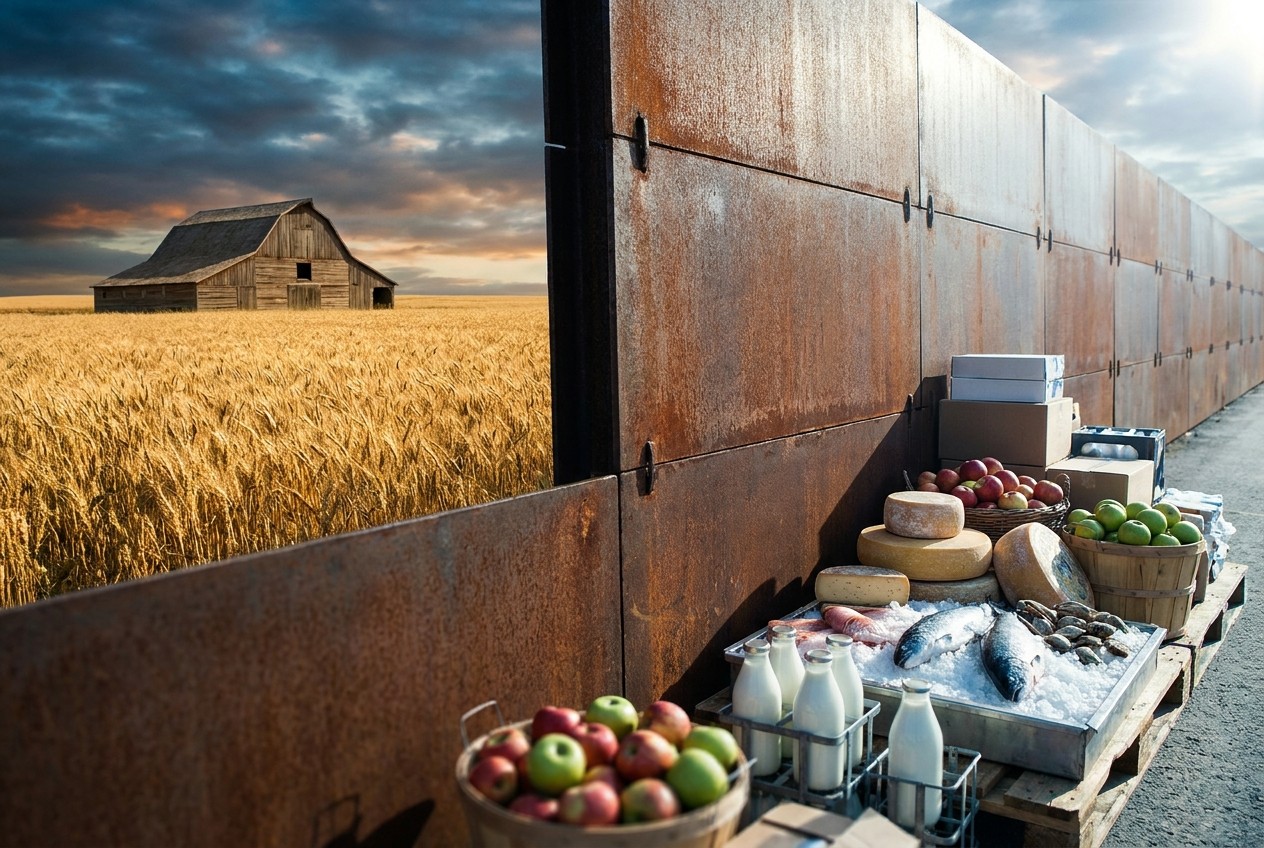
Because the Russian government has already established a legal and administrative apparatus to manage these restrictions, the extension is viewed by many analysts as a "business as usual" announcement rather than an escalation. However, the diplomatic implications remain deep. The "unfriendly" classification continues to serve as a barrier to any meaningful dialogue regarding trade normalization, effectively signaling that until the broader geopolitical conflict—spanning from the Black Sea to the borders of the Baltics—is resolved, the current economic wall will remain standing.
Implications for the Future
The extension of the food ban through 2028 suggests that Moscow is preparing for a long-term period of geopolitical isolation from Western markets. For consumers, this means a continued reliance on domestic goods and imports from non-Western suppliers. For global markets, it means that one of the world’s largest landmasses will remain largely cordoned off from Western agricultural exports, contributing to a permanent shift in global trade routes.
As climate change continues to exert pressure on global food systems, the convergence of environmental instability and trade protectionism poses a significant risk. If the current trend of record-breaking heat and drought persists, the global food supply chain—already strained by the lack of traditional trade flows—may face further disruption.
In the final analysis, the 2028 decree serves as a reminder that the "new normal" in international relations is characterized by the integration of food, fuel, and security into a singular, high-stakes geopolitical game. As the world watches these trends unfold, the agricultural policies of Moscow will remain a central, albeit contentious, pillar of its strategy to navigate a world increasingly divided by competing interests and volatile climate realities.