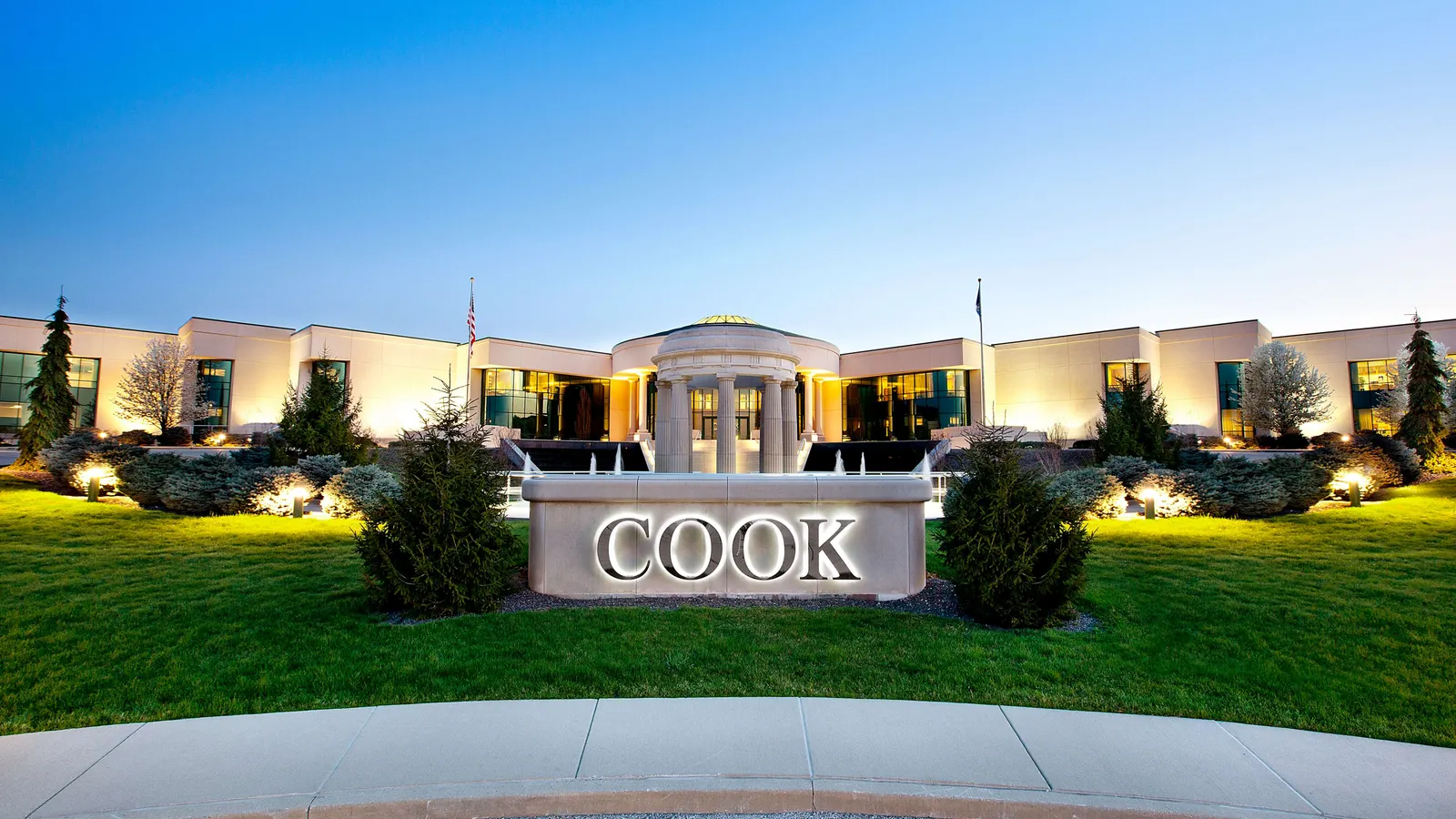
The healthcare sector has long been a primary target for cybercriminals, but 2026 has witnessed an unprecedented escalation in sophisticated digital assaults against the medical technology industry. The latest casualty is Cook Medical, the Bloomington, Indiana-based manufacturer of specialized medical devices. The company recently confirmed that it fell victim to a targeted cyberattack, joining a growing roster of industry titans—including Stryker, Abbott, and Medtronic—that have been forced to grapple with the vulnerabilities inherent in modern, interconnected healthcare infrastructure.
As the industry shifts toward digital integration, the surface area for potential attacks has expanded. The Cook Medical incident serves as a stark reminder that even with robust security protocols, the human element remains the most vulnerable point in the defensive chain.
Main Facts: The Anatomy of the Cook Medical Breach
Cook Medical, a privately held global leader in medical device manufacturing, disclosed that an unauthorized party gained access to its internal systems following a successful social engineering attack. Unlike traditional brute-force cyberattacks that attempt to overwhelm firewalls with sheer volume, this incident exploited human trust—a hallmark of contemporary corporate espionage and data theft.
According to the company, a single employee was deceived by an attacker, providing the gateway necessary to penetrate the organization’s digital perimeter. Upon discovering the breach, the company’s internal security apparatus—comprising its information security, incident response, and forensic teams—moved to isolate the affected segment of the network.
"We identified the unauthorized access and contained it quickly on the same day it occurred," a spokesperson for the company stated. The swift containment prevented a systemic collapse of manufacturing operations, a fate that befell other industry players earlier this year. However, the breach has necessitated a broad notification effort, with the company currently working to inform affected customers and employees while providing comprehensive guidance on how to identify and thwart potential follow-up scams.
A Chronology of the 2026 Medtech Security Crisis
The incident at Cook Medical is not an isolated event; it is a single note in a cacophony of cybersecurity failures that have plagued the medical device sector throughout 2026. To understand the gravity of the situation, one must look at the timeline of events that have defined this volatile year.
Q1 2026: The Onset of Escalation
The year began with heightened vigilance, but several major players soon reported significant intrusions. Intuitive Surgical, a leader in robotic-assisted surgery, faced scrutiny regarding its data management systems, while iRhythm Technologies disclosed that unauthorized actors had successfully exfiltrated data from third-party applications. These early warnings signaled that hackers were moving beyond simple malware to exploit third-party dependencies.
Q2 2026: Operational Disruption
As the year progressed, the attacks moved from data theft to operational sabotage. In a high-profile incident, Stryker suffered a global network disruption that crippled its electronic ordering systems. The resulting chaos forced the company to scramble to fulfill orders and address significant shipping delays, highlighting the fragility of supply chains in the face of digital warfare. Shortly thereafter, Abbott disclosed a targeted cyberattack on its cancer diagnostics division, sending shockwaves through the oncology treatment space.
Q3 2026: The Human Vulnerability
Mid-year reports from Medtronic and AdaptHealth revealed that patient data had been stolen, forcing a massive, multi-state notification effort to protect those whose sensitive medical records had been compromised. By the time the Cook Medical incident occurred, the industry was already in a state of "high alert," struggling to patch legacy systems while training staff to identify the increasingly sophisticated social engineering tactics being employed by threat actors.
Supporting Data: The Rising Cost of Medtech Insecurity
The frequency of these attacks is matched only by their economic and operational consequences. According to industry analysts, the average cost of a healthcare data breach has reached record highs, driven by the need for forensic investigation, legal counsel, regulatory fines, and the loss of intellectual property.
- Supply Chain Vulnerability: The Stryker incident proved that a single breach could halt the distribution of life-saving medical supplies for days or weeks. For hospitals operating on just-in-time inventory models, these delays are not merely financial inconveniences—they are potential clinical risks.
- The Social Engineering Factor: Industry data suggests that over 80% of successful breaches involve some level of human error or social engineering. As technical firewalls become harder to crack, hackers are increasingly focusing on "phishing," "vishing" (voice-based phishing), and "business email compromise" (BEC) to gain entry.
- Third-Party Risk: The iRhythm breach highlights that companies are only as secure as their weakest vendor. With the rise of Software-as-a-Service (SaaS) tools in medical settings, the number of entry points for attackers has increased exponentially.
Official Responses and Defensive Strategy
In the wake of the breach, Cook Medical has emphasized that its defensive infrastructure functioned as intended. The company’s focus is now on remediation and education. By containing the threat on the day of its inception, Cook Medical avoided the prolonged downtime that characterized the Stryker and Abbott incidents.
However, the company’s response also highlights a shift in corporate communication. Rather than attempting to obfuscate the breach, Cook Medical has leaned into transparency, notifying affected parties directly and providing actionable advice on threat mitigation.
Industry experts argue that this proactive stance is becoming the new gold standard. "When a company is breached, the market doesn’t just judge them on the attack; they judge them on the speed of their response," says Sarah Jenkins, a cybersecurity consultant specializing in life sciences. "Cook Medical’s containment strategy shows that the ‘assume breach’ mindset is finally taking hold at the executive level."
Implications: The Future of Medtech Security
The events of 2026 have profound implications for the future of the medical device industry. We are likely to see several shifts in the coming years:
1. The Death of the "Perimeter" Model
Traditional cybersecurity focused on building a "moat" around corporate data. That model is now defunct. The rise of cloud computing and remote work means that the modern medical company exists everywhere. Moving forward, "Zero Trust" architecture—where no user or device is trusted by default, regardless of their location—will become the mandatory standard.
2. Regulatory Pressure
Government bodies, including the FDA and the Department of Health and Human Services, are under increasing pressure to mandate stricter cybersecurity standards for medical devices. We can expect to see new regulations that force companies to disclose not just the presence of a breach, but the underlying vulnerabilities that allowed it to happen.
3. The Human Element in Training
Cook Medical’s reliance on social engineering as the point of entry is a wake-up call for Human Resources departments across the globe. Cybersecurity training can no longer be a quarterly "check-the-box" video; it must become a continuous, immersive part of corporate culture. Simulated phishing campaigns and high-stakes tabletop exercises will become as common as safety drills in the manufacturing plant.
4. Consolidation of Security Services
As small-to-mid-sized companies struggle to maintain the security budgets of giants like Medtronic, we may see a rise in third-party security management firms that provide "security-as-a-service." By pooling resources, smaller device manufacturers can achieve a level of protection that would otherwise be cost-prohibitive.
Conclusion
The cyberattack on Cook Medical is more than a headline; it is a microcosm of the risks inherent in the digital transformation of healthcare. As we move further into the decade, the line between medical device manufacturing and cybersecurity firm will continue to blur. The winners in this new landscape will not just be those who build the best devices, but those who build the most resilient digital ecosystems.
For now, the lesson for Cook Medical and its peers is clear: In an age where data is as valuable as the physical devices being manufactured, the human mind is the most critical firewall. Protecting that firewall is the greatest challenge—and the greatest necessity—of our time.