









As we cross the threshold of age 50, the metrics by which we measure "fitness" undergo a fundamental shift. In our younger years, the focus is often on explosive power, maximal weight lifted, or how fast we can run a mile. However, as the aging process sets in, the goalposts move. The primary objective shifts from sheer hypertrophy to the preservation of functional independence, injury prevention, and the maintenance of systemic metabolic health.
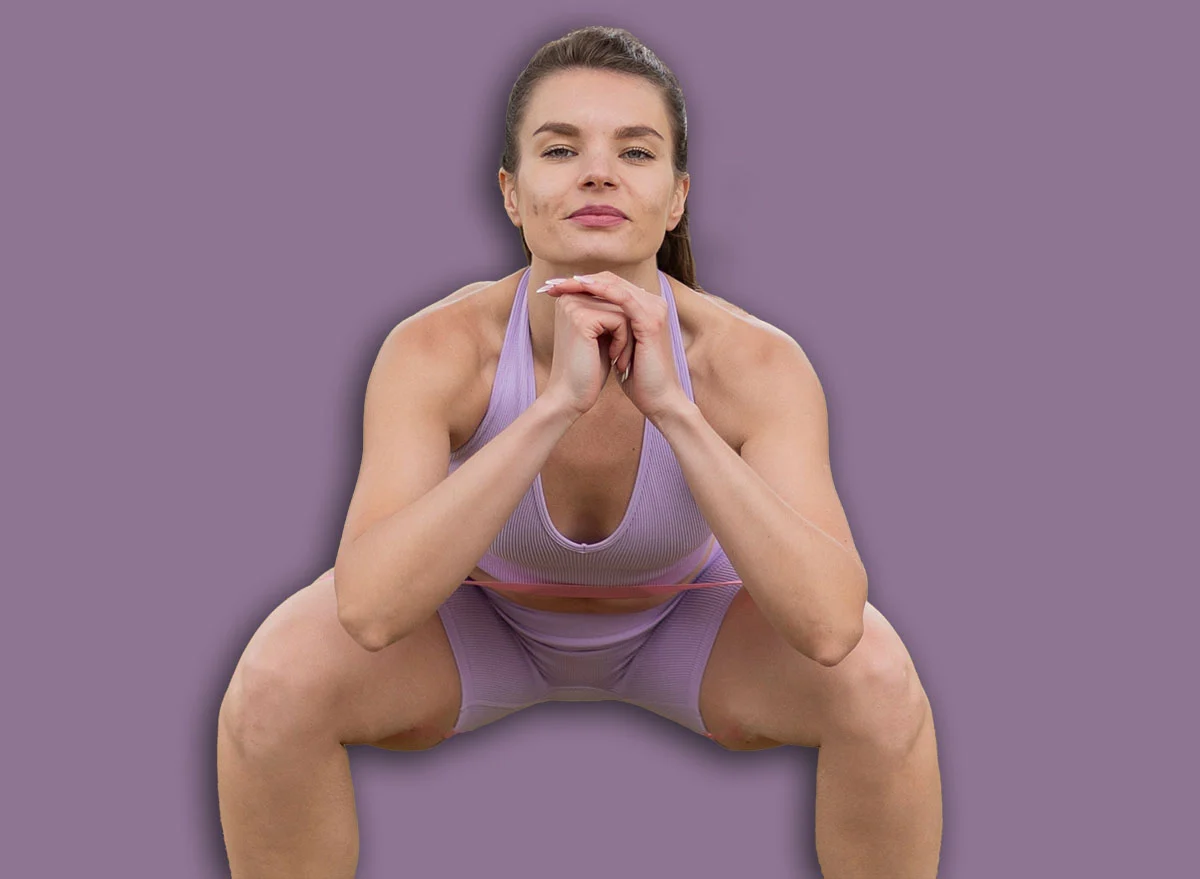
Among the various diagnostic tools available to physical therapists and personal trainers, one movement stands out for its simplicity and predictive power: the isometric squat hold. If you can hold a perfect, bodyweight squat for 60 seconds, you are not just maintaining muscle—you are demonstrating a level of physiological resilience that places you in the upper echelon of your demographic.
The Shift: Redefining Fitness After Midlife
For decades, the fitness industry fixated on "one-rep maxes" and muscle size. Yet, for the individual over 50, the most dangerous threats to quality of life aren’t necessarily related to the inability to bench press 200 pounds. Instead, they are the quiet, insidious declines in joint stability, proprioception (balance), and muscular endurance.
When we talk about "functional longevity," we are talking about the ability to move through the world without hesitation. Whether it’s getting out of a low chair, stepping off a curb, or maintaining posture during a long day of travel, the foundation of these tasks is the same: leg strength and core stability. The isometric squat—a movement where you hold your body under tension without motion—is the ultimate test of these systems.
The Science of Isometric Tension
Research published in The Scandinavian Journal of Medicine & Science in Sports provides a compelling argument for the efficacy of isometric training. Unlike dynamic lifting, which involves shortening and lengthening muscle fibers, isometric holds lock the muscles in a state of constant engagement.
This process forces the neuromuscular system to "learn" how to stabilize a joint under load. For aging populations, this is critical. Joint stability is the primary defense against the wear-and-tear of arthritis and the sudden trauma of falls. According to studies highlighted in the Journal of Orthopaedic & Sports Physical Therapy, regular isometric engagement has been shown to reduce the risk of falls in elderly patients, particularly those dealing with knee osteoarthritis. By strengthening the connective tissues and improving the "firing rate" of the quadriceps and glutes, the isometric squat acts as a prophylactic measure against the common injuries that sideline older adults.
Expert Insight: The 30-to-60-Second Goal
James Brady, a CPT at OriGym, emphasizes that the squat hold is more than just a test; it is a diagnostic window into the health of your lower kinetic chain.
"If someone over 50 can hold a squat for an extended period, it’s a strong indicator of both muscular endurance and joint stability, which often decline with age," Brady notes. "From a coaching perspective, a solid benchmark for over-50s would be holding a controlled squat for 30 to 60 seconds. Reaching or exceeding that suggests well-developed strength in the quads, glutes, and stabilizing muscles, along with good mobility in the hips and ankles."
According to Brady, if you find yourself struggling to maintain form for even 30 seconds, it is a signal that your body requires more specific training in the "stabilizer" muscle groups. These are the smaller muscles surrounding the knee and hip joints that often atrophy when we rely too heavily on seated machines at the gym.
Chronology of Progress: How to Build Your Hold
You cannot simply jump into a 60-second hold if your body has been sedentary for years. Building this capacity requires a systematic approach, moving from assisted movements to free-standing, gravity-defying holds.
1. The Supported Squat Hold (The Foundation)
If you cannot yet hold a squat without assistance, don’t force it. The goal is to build the "time under tension" without compromising your lower back or knees.
- The Technique: Stand in front of a sturdy doorframe or a heavy piece of furniture. Lower yourself into a squat position, holding onto the object for balance. Focus on keeping your weight in your heels and your chest upright.
- The Goal: Aim for 30 seconds of total tension, even if you need to take short "micro-breaks" by slightly rising and then lowering back down.
2. The Wall Sit (The Endurance Builder)
Once you have mastered the supported hold, the wall sit is your next progression. By removing the need to balance, you can focus entirely on the muscular endurance of the quadriceps.
- The Technique: Place your back flat against a wall and slide down until your thighs are parallel to the floor (or as deep as your mobility allows). Keep your knees aligned over your ankles.
- The Goal: Build up to a 60-second wall sit. Once this feels "easy," you are ready to transition back to free-standing movements.
3. Step-Back Squats (The Dynamic Bridge)
Endurance is not just about standing still; it’s about controlling your body through space. Step-back squats (reverse lunges into a hold) add a component of coordination.
- The Technique: Step one foot back and lower into a split-squat position. Pause for three seconds at the bottom of the movement. Return to center and repeat on the other side.
- The Goal: Perform 10 reps per side. This improves the hip mobility necessary to get into a deep, stable full squat.
4. Single-Leg Sit-to-Stand (The Functional Pinnacle)
This is arguably the most important movement for independence. It mimics the act of standing up from a chair, but with twice the load on a single leg.
- The Technique: Sit on a chair. Lift one foot off the ground. Using only the power of the grounded leg, stand up without using your hands for momentum.
- The Goal: Master 5 clean repetitions per leg. This builds the unilateral strength that prevents the "limping" or instability that often leads to falls.
Implications for Long-Term Health
The implications of failing or succeeding at the 60-second squat test are profound. A person who can comfortably hold this position is signaling that their body is capable of handling its own weight without compensatory movement patterns.
When we lose the ability to perform a deep, stable squat, we begin to compensate. We reach for things differently, we avoid bending down, and we change our gait. This compensation is where the "cascade of frailty" begins. By prioritizing the isometric squat, you are effectively training your nervous system to stay alert and your muscles to stay responsive.
Furthermore, the squat is a full-body movement. While the quads and glutes do the heavy lifting, the core is required to maintain the upright torso, and the ankles are required to provide the base of support. This makes the squat one of the most efficient movements you can perform in a single day. You aren’t just working your legs; you are training your body to be a unified, stable machine.
Conclusion: The Path Forward
The 60-second squat is not a vanity metric. It is a vital sign of your future independence. If you are over 50 and find yourself unable to reach this benchmark, do not be discouraged. It is a sign that you have identified a clear, actionable area for improvement.
Begin by integrating these five movements into your weekly routine—perhaps three times a week. Start with the supported variations, move to the wall sits, and eventually work your way to the free-standing hold. As your time increases, you will likely notice that your knees feel more stable, your back feels less strained, and your confidence in navigating physical challenges improves.
Age may be an inevitable process, but the rate of decline is, to a large extent, a choice. By reclaiming your ability to hold a squat, you are reclaiming your mobility, your safety, and your freedom.