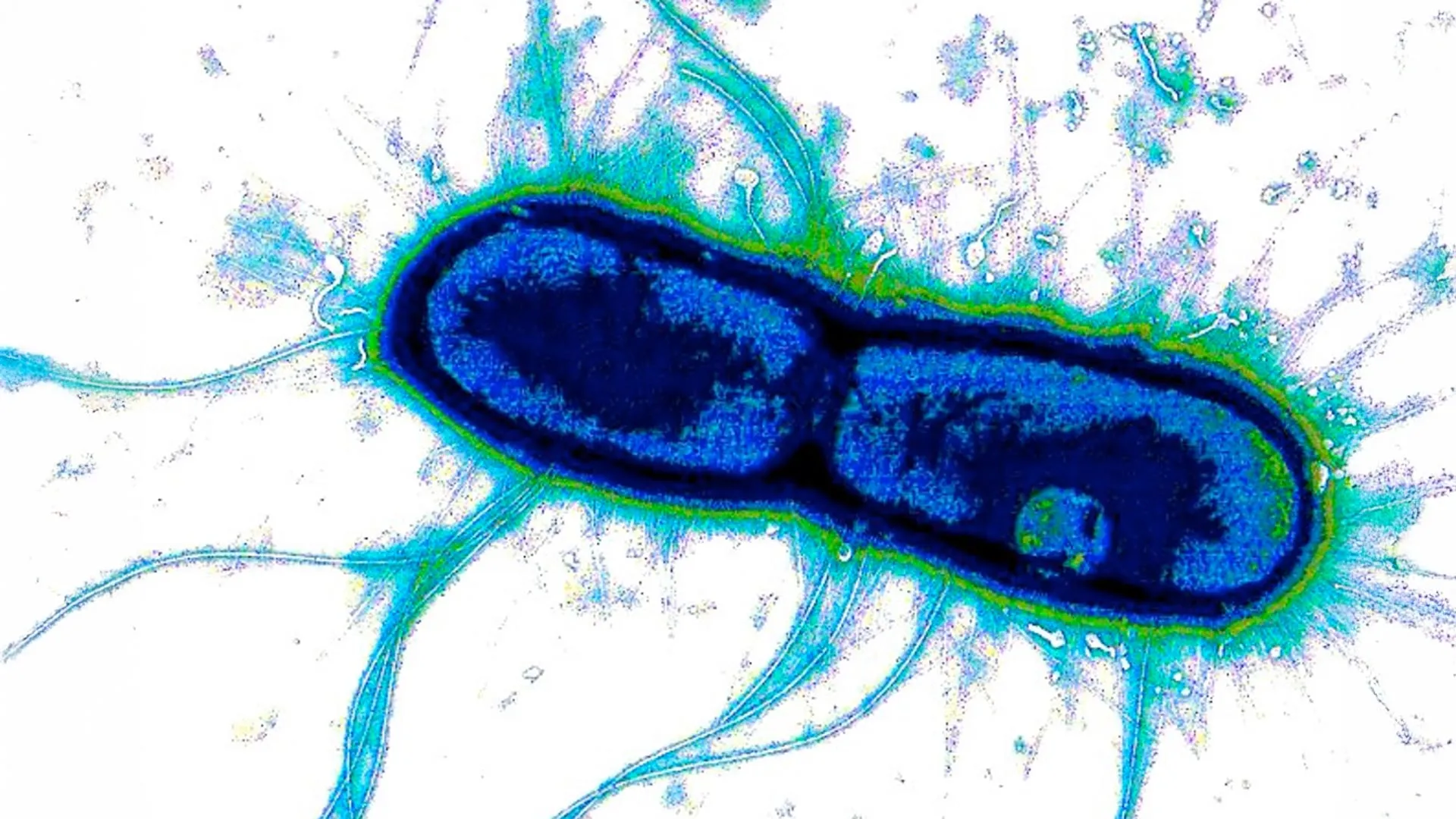
For decades, the global medical community has been locked in an arduous battle against two of the most persistent and lethal enemies of human health: Enterotoxigenic Escherichia coli (ETEC) and Shigella. These bacterial pathogens are responsible for hundreds of millions of infections annually, serving as a primary cause of severe, often fatal, diarrheal disease, particularly among children in developing nations. Despite the staggering mortality rates and the high economic burden of these illnesses, a viable vaccine has remained elusive.
The central obstacle has been the genetic diversity of these pathogens. Because the surface features—the "flags" that vaccines typically use to train the immune system—vary wildly between strains, traditional vaccine development has felt like chasing a moving target. However, a landmark study published on June 15 in the Proceedings of the National Academy of Sciences (PNAS) has fundamentally shifted this narrative. Researchers at the Washington University School of Medicine in St. Louis, in collaboration with the University of Missouri and the International Centre for Diarrhoeal Disease Research in Bangladesh, have uncovered a shared "biological vulnerability" across these pathogens, potentially unlocking the door to a single, broad-spectrum vaccine.
Main Facts: A Shared Weakness in the Gut
The research hinges on the discovery that ETEC, Shigella, and several other diarrhea-inducing bacteria rely on a sophisticated, common mechanism to breach the body’s primary defense system: the thick layer of mucus lining the intestines.
This mucus layer is not merely a passive barrier; it acts as a complex filter that protects intestinal tissues from harmful microbes while simultaneously regulating the body’s beneficial commensal bacteria. To establish an infection, these pathogens must physically penetrate this protective coating. The study revealed that these diverse bacteria utilize three closely related enzymes—EatA, SepA, and Pic—to enzymatically "chew" through the proteins that give the mucus its structural integrity.
By identifying that these enzymes share a common molecular region, the research team successfully demonstrated that antibodies directed at this shared "Achilles’ heel" can neutralize all three enzymes simultaneously. By blocking this enzymatic machinery, the immune system can effectively trap the bacteria outside the mucus barrier, preventing them from ever reaching the intestinal wall to release the toxins that trigger diarrhea.
Chronology of Discovery
The path to this discovery was neither linear nor quick, spanning years of clinical observation, molecular analysis, and structural biology.
1. Initial Clinical Observations
The foundation of the project was laid in Dhaka, Bangladesh. Longitudinal studies of children in the region revealed a critical pattern: those who naturally developed antibodies against the enzyme EatA were significantly less likely to suffer from severe diarrheal illness. Conversely, children who lacked these antibodies were at a markedly higher risk. This observation provided the first "proof of concept" that targeting this specific enzyme could offer clinical protection.
2. Identifying the Enzyme Family
Building on this, the laboratory of Dr. James M. Fleckenstein at WashU Medicine previously characterized EatA in ETEC. The current study expanded the scope, identifying two functionally similar enzymes—SepA and Pic—produced by Shigella. The researchers hypothesized that if these enzymes were structurally similar, they might share a common epitope (a specific molecular target for antibodies).
3. Isolating Human Antibodies
Working with Dr. Ali Ellebedy, an expert in immunology, the team isolated antibodies from two cohorts: individuals in Bangladesh who had contracted natural ETEC infections and volunteers who had been intentionally exposed to the bacteria in controlled, ethical clinical studies. This provided the "raw material" to see if the human immune system naturally produced antibodies capable of cross-reacting across the different pathogens.
4. Structural Validation
The final phase of the chronology involved the University of Missouri, where structural biologists used cryo-electron microscopy to image the enzymes at atomic-level resolution. By freezing the molecular structures, they confirmed that the most effective antibodies bound to a specific, conserved region found in all three enzymes, effectively "locking" the enzymatic tools and rendering them useless.
Supporting Data: The Science of Protection
The efficacy of this approach is backed by rigorous data. Cryo-electron microscopy revealed that the antibodies do not just randomly bind to the enzymes; they target a highly conserved catalytic core. Because this core is essential for the bacteria’s ability to survive in the gut, the bacteria face a significant evolutionary cost if they attempt to mutate this region to evade the antibodies. This suggests that a vaccine targeting this site would be durable and unlikely to be rendered obsolete by rapid bacterial evolution.
Furthermore, the study provided evidence that the antibodies identified in the patient samples were indeed "neutralizing." In laboratory assays, these antibodies prevented the bacteria from degrading the mucus, thereby proving that the mechanism of protection is direct and functional.
Official Responses: A Paradigm Shift in Therapeutics
The medical community has greeted the findings with cautious optimism, viewing them as a foundation for a new generation of "rational vaccine design."
Dr. James M. Fleckenstein, co-senior author of the study, emphasized the significance of the findings during a press briefing: "For something so common and so deadly to young children, it’s striking that we still don’t have a vaccine for either of these pathogens. What’s exciting here is that we’ve found a kind of Achilles’ heel or weak point they share that we might be able to target to protect against both."
Dr. Zachary Berndsen, assistant professor of biochemistry at the University of Missouri and co-senior author, highlighted the implications for pharmaceutical development: "This study establishes EatA as a viable vaccine candidate capable of providing protection across multiple pathogens. By identifying the key regions of EatA that are targeted by neutralizing antibodies, we’ve established a foundation for rational vaccine design—a major advance toward the development of effective therapeutics that have the potential to save many lives."
Implications: Beyond the Developing World
While the primary focus of the research is to reduce childhood mortality in low-income regions, the implications of this study are global.
The U.S. Context
ETEC is a major, yet often overlooked, cause of foodborne illness in the United States. It is frequently associated with travelers’ diarrhea and contaminated food supplies. Because many clinical laboratories cannot easily distinguish between harmless, commensal E. coli and pathogenic ETEC, many infections go unreported or are misdiagnosed. A vaccine could serve as a vital tool for public health infrastructure in developed nations as well.
The Antibiotic Crisis
A secondary but equally vital implication is the mitigation of antibiotic resistance. Currently, physicians often rely on broad-spectrum antibiotics to treat severe diarrheal infections. Overuse of these drugs contributes to the global crisis of antimicrobial resistance. By introducing a preventative vaccine, the medical community could significantly reduce the reliance on antibiotics for gut pathogens, thereby slowing the spread of resistant bacterial strains.
Future Directions
The research team is now transitioning from the laboratory to the early stages of vaccine development. The goal is to create a multi-valent vaccine that can be administered easily, particularly in regions where cold-chain logistics (refrigeration) are limited.
As the team moves forward, they face the standard challenges of clinical trials, including testing for safety and long-term immunogenicity in human populations. However, the discovery of a conserved, functional vulnerability represents the most significant hurdle cleared in decades.
In conclusion, this research marks a turning point in the field of infectious disease. By looking past the superficial variations of bacterial strains and focusing on the essential machinery of survival, scientists have identified a pathway to control some of the world’s most stubborn pathogens. If successful, a vaccine based on these findings would not only save hundreds of thousands of lives annually but also represent a triumph of structural biology and collaborative global health research.