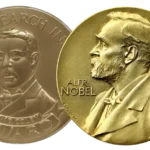






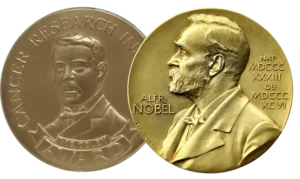


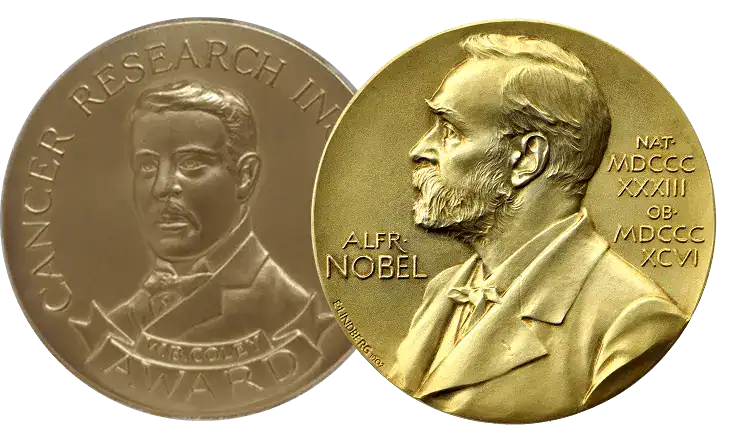
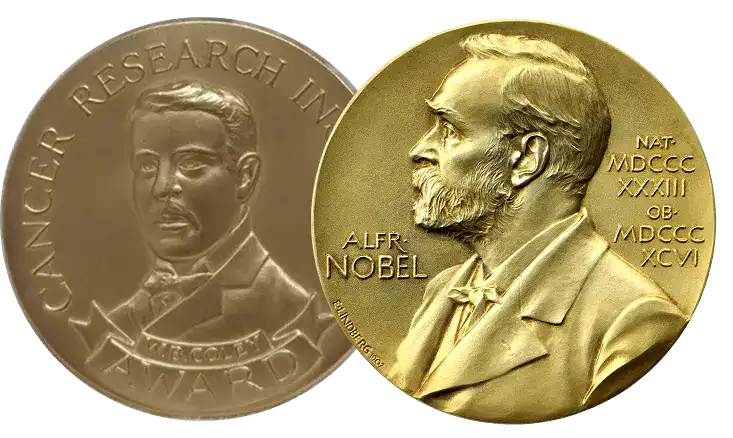
For more than half a century, the Cancer Research Institute (CRI) has occupied a unique vantage point in the landscape of global science. Through its prestigious William B. Coley Award, the Institute has consistently identified the intellectual vanguard—those rare, audacious thinkers whose radical hypotheses regarding the immune system were initially met with skepticism, only to later be recognized as the bedrock of modern medicine.
The track record of the CRI is not merely one of academic recognition; it is a testament to extraordinary foresight. To date, 12 recipients of the Coley Award have gone on to receive the Nobel Prize, the world’s most significant scientific honor. These scientists did not just contribute incremental findings; they fundamentally altered our understanding of the human body’s ability to defend itself, heal, and eradicate disease. By celebrating these innovators long before the Nobel committee turned its gaze upon them, the CRI has cemented its legacy as both a champion of fundamental discovery and a vital catalyst for the progress of human health.
The Pillars of Discovery: A Chronology of Scientific Breakthroughs
The history of immunology is defined by moments where the curtain was pulled back on the body’s complex, unseen defenses. The CRI has been present at every major juncture, documenting the following landmark achievements.
George Snell, PhD (1951–1980)
Dr. George Snell’s pioneering work at the Jackson Laboratory remains the cornerstone of transplant immunology. In 1951, he discovered the cell-surface proteins—now known as the Major Histocompatibility Complex (MHC)—that determine whether the immune system accepts or rejects foreign tissue. His work provided the genetic map for histocompatibility, a discovery that was recognized with the CRI’s Coley Award in 1978 and the Nobel Prize in 1980.
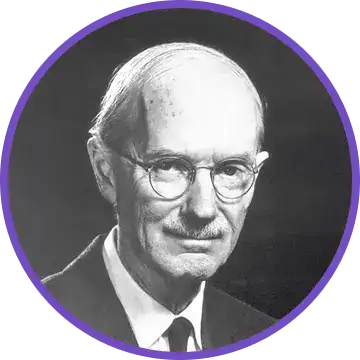
Rolf Zinkernagel, MD, PhD (1973–1996)
In 1973, Dr. Zinkernagel unveiled the "double recognition" rule of T cells. He discovered that T cells only destroy infected cells if they recognize both the invading antigen and the body’s own MHC proteins. This insight, honored by the CRI in 1987 and the Nobel Prize in 1996, transformed our understanding of how the body distinguishes "self" from "non-self," effectively creating the blueprint for modern vaccine design.
Ralph Steinman, MD (1973–2011)
Perhaps one of the most transformative discoveries in cellular biology was Dr. Steinman’s 1973 identification of dendritic cells. These cells act as the "scouts" of the immune system, capturing information about pathogens and presenting it to T cells. His work, recognized by the CRI in 1998 and awarded a posthumous Nobel Prize in 2011, remains the guiding star for contemporary cancer immunotherapy.
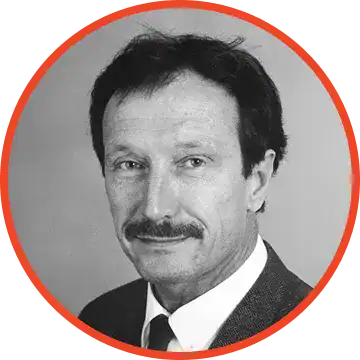
Sir Gregory Winter, PhD (1985–1996)
By leveraging the power of bacteriophages to evolve new proteins, Sir Gregory Winter revolutionized the field of antibody engineering. His 1985 work allowed for the creation of humanized antibodies that could be used as targeted medicine. The CRI recognized his genius in 1987, nearly a decade before the Nobel Committee honored him for his contributions to chemistry.
Jules Hoffmann, PhD (1996–2011)
Dr. Hoffmann’s characterization of the Toll receptor in fruit flies in 1996 opened the door to understanding the innate immune system—the body’s "first responder." His work, recognized by the CRI in 2003 and the Nobel Prize in 2011, showed that this ancient system is the essential precursor to the more specialized adaptive immune response.
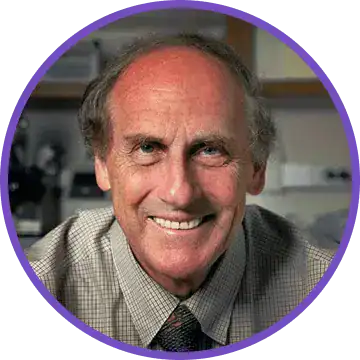
Shimon Sakaguchi, MD, PhD (1995–2025)
The delicate balance of the immune system—the ability to attack tumors while avoiding damage to healthy tissue—was clarified by Dr. Sakaguchi’s 1995 discovery of regulatory T cells (Tregs). Known as the "peacekeepers" of the immune system, these cells prevent autoimmunity. The CRI honored his work in 2004, a precursor to his 2025 Nobel recognition.
James P. Allison, PhD (1994–2018)
Dr. Allison’s work identified the CTLA-4 checkpoint, effectively discovering the "brakes" that keep the immune system from overreacting. By releasing these brakes, he enabled the immune system to recognize and attack cancer cells. His foundational work, supported by the CRI in 2005, led to the first FDA-approved immune checkpoint inhibitor, Yervoy, saving countless lives.
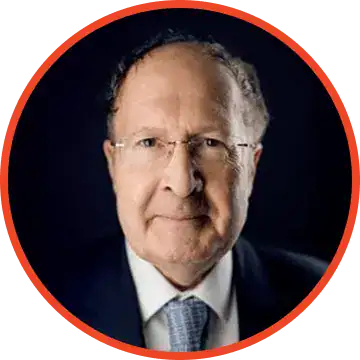
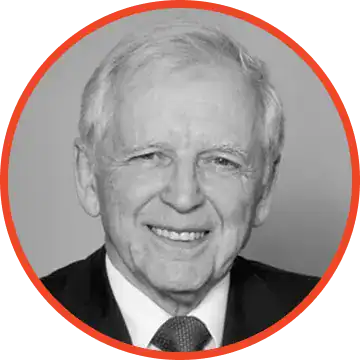
Harald zur Hausen, MD (1983–2008)
Dr. zur Hausen shattered medical consensus in 1983 when he identified HPV as the primary cause of cervical cancer. His work, recognized by the CRI in 2006, directly led to the development of vaccines that have since prevented millions of cancer cases worldwide.
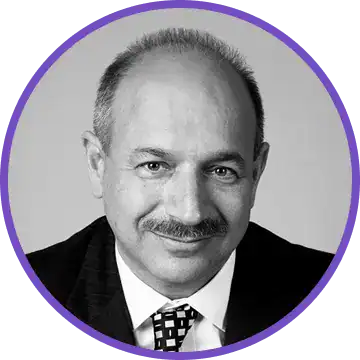
Bruce Beutler, MD (1998–2011)
Dr. Beutler’s discovery of TLR4 as a sensor for bacterial components redefined our understanding of inflammation. Honored by the CRI in 2006, his findings provided the mechanism for how our bodies detect infections and initiate life-saving inflammatory responses.
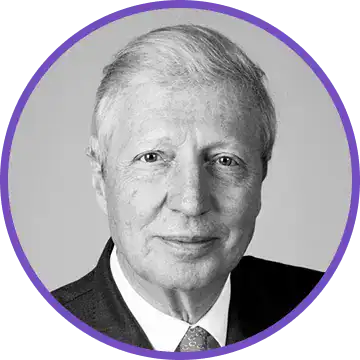
Drew Weissman, MD, PhD & Katalin Karikó, PhD (2005–2023)
In 2005, these researchers solved the puzzle of mRNA modification, making it a viable therapeutic platform. This work, recognized by the CRI in 2021, became the backbone of the SARS-CoV-2 vaccines, proving that mRNA can be used to train the immune system against a vast array of future threats, including cancer.
Supporting Data: The Impact of Early Recognition
The data suggests a strong correlation between CRI’s early-stage recognition and subsequent global accolades. The "CRI-to-Nobel" pipeline is statistically significant because the Institute focuses on "Basic Immunology"—the study of the fundamental laws of immunity.

By funding research that explores the "how" rather than just the "what," the CRI provides the academic runway necessary for high-risk, high-reward breakthroughs. The average gap between a CRI Coley Award and a Nobel Prize in these cases is approximately 10 to 15 years, a period that typically mirrors the time required for a discovery to transition from a laboratory bench to clinical application.
Official Responses: A Commitment to the Future
Leaders within the scientific community have long viewed the Cancer Research Institute as a bellwether for medical excellence.
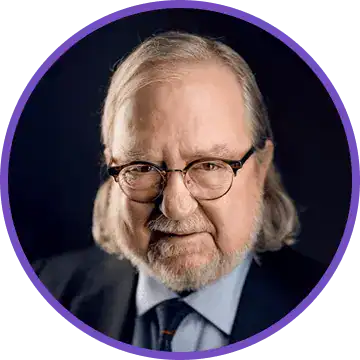
"The CRI doesn’t just watch history happen; they facilitate it," says Dr. Jill O’Donnell-Tormey, CEO and Director of Scientific Affairs at the CRI. "When we look at our past recipients, we see a common thread: an unwavering commitment to questioning the status quo. These scientists were often told their ideas were impossible. We saw the potential for those impossibilities to become the new standard of care."
Furthermore, members of the Scientific Advisory Council, many of whom are Nobel laureates themselves, argue that the Institute’s role as an early validator is essential for scientific morale. "Recognition from one’s peers at a stage where the work is still ‘risky’ provides the institutional backing needed to push forward into the unknown," notes a current council member.
Implications for Modern Medicine
The implications of the work performed by these trailblazers extend far beyond the laboratory.
- Precision Medicine: The discovery of checkpoints and regulatory cells has moved oncology away from "one-size-fits-all" chemotherapy toward highly personalized, immune-based therapies.
- Preventative Healthcare: Through the work of researchers like zur Hausen, we now understand that many cancers have viral origins, allowing for the creation of preventative vaccines that can eradicate specific malignancies entirely.
- Global Resilience: The mRNA breakthroughs demonstrated by Weissman and Karikó suggest that we are entering an era where the immune system can be "programmed" to recognize almost any threat, from novel viruses to metastatic tumors.
Conclusion: A Legacy of Foresight
The story of the Cancer Research Institute is not merely a record of awards given; it is a narrative of human progress. From the genetic regulation of proteins to the mastery of mRNA, the scientists supported by the CRI have consistently reshaped the boundaries of what is medically possible.
As we look toward the future, the Institute continues its mission: to identify the next generation of pioneers who are currently working in silence, pushing the limits of the immune system. The cycle of discovery, recognition, and global impact continues, ensuring that the next Nobel-caliber breakthrough is already in progress, fostered by the vision and support of an organization that sees the future before it becomes history.
In the realm of science, discovery is the engine of change, but recognition is the fuel. By identifying these trailblazers, the Cancer Research Institute has ensured that the fire of human curiosity continues to burn bright, lighting the way for a healthier, more resilient world.