







In the shadow of tragedy, the human instinct is often to retreat. Following the devastating school shooting in Uvalde, Texas, the collective psyche of the nation seemed to fracture under the weight of grief and helplessness. Yet, in the quiet corners of daily life, something different was unfolding.
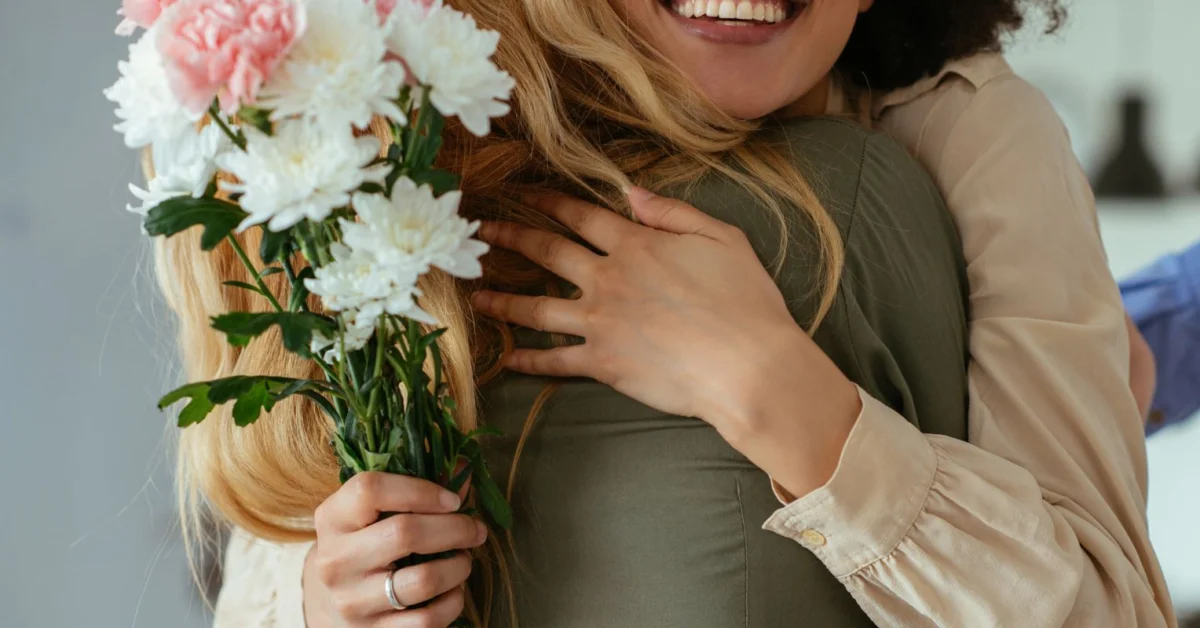
One weekend shortly after the news broke, a simple coffee meeting between two friends offered a lens into a quiet, grassroots movement. One friend, Heather, arrived with a persistent cold—a souvenir, she joked, from a weekend of “doing acts of love.” She had spent her days traversing the city by CitiBike, braving a torrential rainstorm, to deliver flowers to a grieving friend. Her exhaustion was palpable, but so was her resolve. In a world defined by the relentless cycle of negative headlines, Heather’s “acts of love” were not merely gestures of friendship; they were a deliberate, radical attempt to counterbalance the darkness in the universe.
The Modern Context: A Crisis of Connection
For the better part of three years, the world has felt increasingly fragile. The COVID-19 pandemic served as a catalyst for a global isolation event, forcing millions behind closed doors and severing the natural social threads—extended family, workplace camaraderie, and communal gatherings—that typically hold society together.
This period of forced distancing exacerbated an existing epidemic of loneliness, leaving the population vulnerable to a surge in mental health crises. According to data from the Kaiser Family Foundation, the prevalence of anxiety and depression among adults skyrocketed, rising from 11 percent in 2019 to over 30 percent during the peak of the pandemic. This decline in collective mental health is mirrored in sobering national statistics: overdose deaths involving synthetic opioids continue to climb, and the U.S. suicide rate rose by 30 percent between 2000 and 2020.
When these figures are coupled with the macro-stresses of the modern era—soaring inflation, the escalating climate crisis, the harrowing reality of the war in Ukraine, and the vitriol that defines modern social media discourse—the world can feel like a cruelly indifferent place. The resulting "compassion fatigue" is not just a personal struggle; it is a structural barrier to social progress.
A Chronology of Kindness: From Theory to Practice
The concept of "Random Acts of Kindness" is far from a modern invention, though it has evolved significantly in the digital age. In 1982, author Anne Herbert formalized the philosophy in her book Random Kindness and Senseless Acts of Beauty. Herbert’s work argued that the antidote to "senseless acts of violence" was a commitment to the aesthetic and moral value of beauty and benevolence.
Nearly four decades later, this concept has been institutionalized by high-profile advocacy groups. Lady Gaga’s "Born This Way Foundation" has championed the #BeKind21 campaign, an annual initiative that encourages participants to perform one act of kindness every day for the first 21 days of September. Their guiding mantra—"The world has been heavy. Let’s lift each other up"—encapsulates the current necessity of intentional benevolence as a tool for community survival.
Supporting Data: The Biological and Psychological Imperative
Kindness is often dismissed as a "soft" virtue, but emerging psychological research suggests it is a cornerstone of human physiological health. The "helper’s high" is a verifiable neurochemical event. When we engage in prosocial behavior, the brain experiences an increase in the production of oxytocin, dopamine, and serotonin. These neurotransmitters serve as the body’s natural pharmacy, acting to reduce pain, stabilize mood, and reinforce social bonds.
The Volunteer Advantage
The link between helping others and personal health outcomes is supported by extensive empirical data. A study conducted by United Healthcare found that 68 percent of individuals who volunteer regularly reported feeling physically healthier than their sedentary peers. Even more compelling, 89 percent of those volunteers reported a marked improvement in their mental well-being, including lower levels of anxiety and a greater capacity for restorative sleep.
The Youth Perspective
The impact of kindness is particularly pronounced among the younger generation, who have faced the brunt of the recent global crises. A collaboration between the Harris Poll and the Born This Way Foundation, surveying over 2,000 young people aged 13–24, revealed that kindness is not just a "nice-to-have" but a coping mechanism. The data showed that 73 percent of respondents felt that experiencing more kindness from others would improve their mental wellness, while 74 percent noted that self-kindness—a concept often overlooked in clinical settings—was equally vital to their resilience.
The Upward Spiral of Gratitude
Perhaps the most profound insight comes from a Japanese study that asked participants to simply "count" the number of kind acts they performed over the course of a week. The study discovered that the act of observing and recording one’s own benevolence created an "upward spiral" of positive emotions. By tracking their own capacity for good, subjects experienced higher levels of subjective happiness and gratitude, creating a feedback loop that made them more likely to repeat the behavior.
Official Responses and Clinical Implications
Clinicians are increasingly viewing the cultivation of kindness as a viable intervention for stress-related disorders. In the clinical environment, the "helper’s high" is now recognized as a means to mitigate the cortisol-heavy stress responses that dominate modern life.
While individual acts cannot overturn systemic geopolitical failures or economic volatility, they act as a "social lubricant." By creating a ripple effect, these acts signal to others that a society is still capable of empathy. When one person pays for a stranger’s coffee, holds a door, or—like Heather—delivers flowers in the rain, they are disrupting the narrative of social atomization.
The Path Forward: Cultivating Daily Benevolence
To move from a state of passive cynicism to active kindness requires intention. The literature suggests that the most effective acts are those that are consistent, even if they are small.
Strategies for Integrating Kindness into Daily Life:
- The "Counting" Method: As suggested by the Japanese research, keep a daily log of the kindnesses you perform or receive. This rewires the brain to scan for positive interactions rather than focusing solely on threats or stressors.
- Micro-Volunteering: You do not need to commit to massive organizational projects to see results. Simple tasks, such as checking in on an elderly neighbor or leaving a positive review for a small business, can provide the same neurochemical benefits.
- Radical Self-Kindness: The Harris Poll data emphasizes that we must be as kind to ourselves as we are to others. Acknowledging one’s own limits during a difficult news cycle is a necessary act of maintenance.
- Digital Civility: In an age of social media, choosing not to engage in toxic discourse is, in itself, an act of community kindness.
Conclusion: The Threefold Imperative
The world is undoubtedly heavy, and the challenges of the 21st century—from the erosion of community to the prevalence of mental health struggles—are complex. However, we are not powerless. The evidence is clear: kindness is a biological requirement for human flourishing and a structural necessity for a stable society.
As the Victorian novelist Henry James once famously distilled the essence of a meaningful life, "Three things in human life are important: The first is to be kind; the second is to be kind; and the third is to be kind." In the wake of tragedy and in the face of ongoing global uncertainty, this ancient wisdom remains our most potent tool for reclamation. By choosing to act with love—even when it means getting caught in the rain—we do not just change the lives of others; we fundamentally alter our own capacity to survive and thrive in a broken world.