LOS ANGELES — When Natalia Castillo walked across the commencement stage at the University of California, Los Angeles (UCLA), the diploma in their hand represented far more than the culmination of four years of academic rigor. For Castillo, a graduate in Cognitive Science and Art History, the walk was a literal and symbolic victory over a decade of personal crises, including suicidal ideation, financial instability, and the trauma of sexual assault.
Castillo’s journey, documented through their work with the national nonprofit Active Minds, serves as a poignant case study in the evolving landscape of collegiate mental health. It highlights a critical shift in how academic institutions and student bodies are moving away from isolated, clinical treatments toward a "community of care" model.
Main Facts: A Narrative of Survival and Systemic Change
Natalia Castillo (they/she) emerged from UCLA not only as a decorated student but as a pivotal figure in the university’s mental health infrastructure. During their tenure, Castillo served as the Executive Director of the UCLA chapter of Active Minds and as an undergraduate representative on the university’s Suicide Prevention Committee.
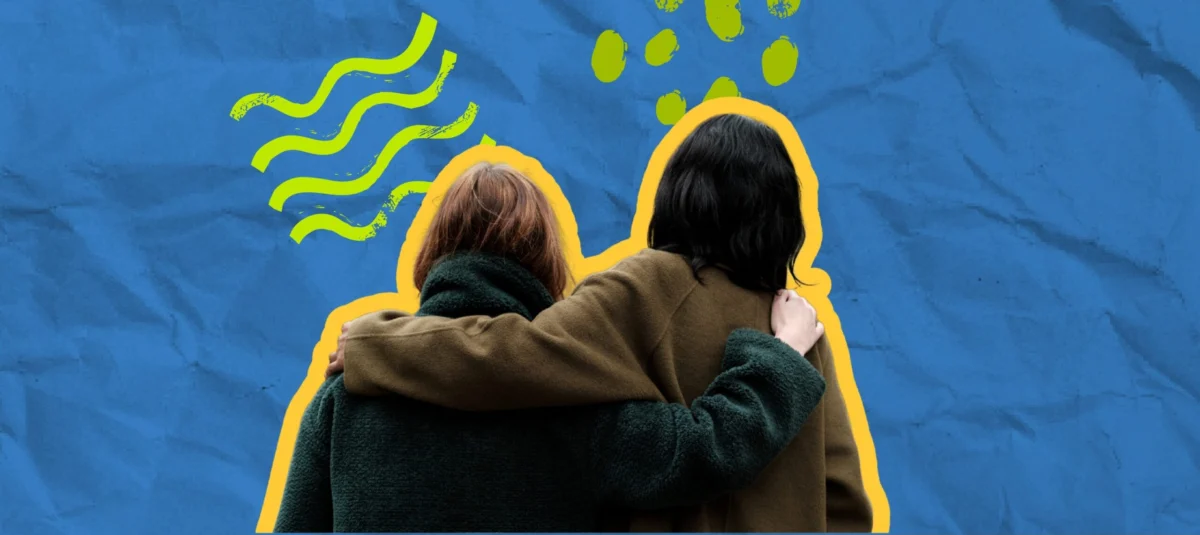
The core of Castillo’s message is a rejection of the "rugged individualism" often associated with success. Instead, they argue that survival and resilience are communal products. Having survived two suicide attempts—one in high school and one during their collegiate years—Castillo credits their presence today to a network of sisters, friends, and mentors who "held hope" when they could not hold it for themselves.
This personal narrative fueled Castillo’s professional contributions to the "Hope Connects Us" campaign, a comprehensive campus-wide initiative at UCLA designed to integrate mental health support into the very fabric of student life. The campaign focuses on four strategic pillars: Promotion, Prevention, Protection, and Preparedness.
Chronology: From Crisis to Collective Action
The Early Years: Survival for Others
Castillo’s struggle with mental health began long before they arrived at the Westwood campus. Following a first suicide attempt during high school, Castillo describes a period of "survival for others." In this phase, the motivation to continue was external—specifically, the love for their younger sisters. This period established a foundational truth in Castillo’s life: the presence of a "reason to stay" is often found in the faces of those around us.
The College Transition: The Second Breaking Point
The transition to a high-pressure environment like UCLA brought new challenges. Financial hardship and the trauma of sexual assault compounded existing mental health struggles, leading to a second suicide attempt. However, the aftermath of this second crisis differed from the first. At UCLA, Castillo found a community of peers and mentors who helped them imagine a life that extended beyond the immediate pain of the present.
The Pivot to Advocacy (2023–2024)
By their senior year, Castillo had transitioned from a student seeking help to a leader shaping policy. Joining the UCLA Suicide Prevention Committee, they worked alongside clinicians and faculty to bridge the gap between administrative policy and student experience. This collaboration was instrumental in the launch of the "Hope Connects Us" campaign, which sought to move beyond reactive crisis management toward proactive, systemic wellness.
The Role of the Humanities
Simultaneously, Castillo’s academic pursuit of Art History provided a secondary, non-clinical form of therapy. By studying how artists throughout history transformed conflict and longing into beauty, Castillo found a medium to express their own "unfinished and imperfect" narrative. This intersection of science (Cognitive Science) and soul (Art History) became the hallmark of their advocacy style.
Supporting Data: The Crisis on Campus
Castillo’s story is set against a backdrop of a national mental health crisis in higher education. According to the Healthy Minds Study, which surveys thousands of college students annually, nearly 37% of students reported experiencing depression, and 14% reported having suicidal thoughts in the past year.
Data from Active Minds, the organization Castillo led at UCLA, suggests that peer-to-peer advocacy is one of the most effective ways to lower the barrier to entry for professional help. Key statistics supporting Castillo’s "community" approach include:

- Peer Influence: 67% of students who are struggling with their mental health will tell a friend before they tell a professional or a family member.
- Stigma Reduction: Campuses with active student-led mental health chapters see a significant increase in "help-seeking behavior" and a decrease in the perceived stigma of mental illness.
- The "Gap" in Care: On large campuses like UCLA, the ratio of students to clinical counselors can be overwhelming. Student-led initiatives like "Hope Connects Us" act as a vital "Level 1" intervention, providing immediate community support that can prevent a crisis from escalating.
Official Responses: UCLA and the "Hope Connects Us" Initiative
The University of California, Los Angeles, has recognized that the traditional model of counseling services is no longer sufficient to meet student needs. In response to the advocacy of students like Castillo, the university launched the "Hope Connects Us: Turning Collective Insight Into Campus Action" campaign.
In official statements regarding the campaign, UCLA leadership emphasized that mental health is a shared responsibility. The initiative is structured around four specific goals:
- Promotion: Increasing awareness of mental health resources and fostering a culture of vulnerability.
- Prevention: Implementing early intervention programs to identify students at risk before a crisis occurs.
- Protection: Strengthening the "safety net" through peer support networks and faculty training.
- Preparedness: Ensuring that the campus community is equipped to respond effectively to mental health emergencies.
"Hope is not passive," Castillo noted during the campaign launch. "It is built when we recognize that someone is struggling and choose to stay by their side." This philosophy has been integrated into UCLA’s broader strategy, shifting the focus from "fixing" the student to "supporting" the human.
Implications: A New Blueprint for Marginalized Youth
The implications of Castillo’s work extend far beyond the gates of UCLA. As a person who identifies as part of a historically marginalized community, Castillo’s advocacy highlights the intersectionality of mental health. Financial hardship and systemic marginalization are not just "external factors"; they are fundamental drivers of mental health outcomes.
Redefining Strength
Castillo’s narrative challenges the traditional definition of strength. By quoting Maya Angelou’s poem "Alone"—“Nobody, but nobody / Can make it out here alone”—Castillo asserts that needing others is not a weakness, but a biological and emotional necessity. This shift in perspective is crucial for students from backgrounds where asking for help may be stigmatized or seen as a luxury.
Advocacy as a Career Path
Now a graduate, Castillo (they/she) intends to focus their career on supporting youth who have been "stereotyped, marginalized, or denied opportunities." Their work serves as a blueprint for how lived experience can be converted into professional expertise. By combining the data-driven approach of Cognitive Science with the empathetic lens of Art History, Castillo is part of a new generation of advocates who view mental health as a human rights issue.
The Future of Campus Life
For universities nationwide, the lesson from Castillo’s journey is clear: institutional investment in mental health must be matched by a commitment to fostering student-led communities. The success of the "Hope Connects Us" campaign suggests that when students are given a seat at the table—on committees, in policy-making, and in crisis planning—the resulting solutions are more authentic, more accessible, and more effective.
Conclusion: Holding the Light for Others
As Natalia Castillo moves into the next chapter of their life, they carry the "second chance" they were given with a sense of profound responsibility. The "quiet, everyday acts of care" that saved their life—a friend sitting in silence, a mentor offering words of encouragement, a sister’s phone call—are now the tools they use to build a better world for others.
In the final analysis, Castillo’s graduation is not just a personal achievement. It is a testament to the power of a community that refuses to look away from pain. "They held hope for me," Castillo reflects. "Now, I aim to hold it for someone else."
In a world that often demands perfection and independence, Castillo’s story stands as a reminder that we are at our most powerful when we admit we cannot make it alone. The degree they carried across the stage was, indeed, proof they were still here—but more importantly, it was proof that they didn’t have to get there by themselves.
Resources:
If you or someone you know is struggling or in crisis, help is available. Call or text 988 or chat at 988lifeline.org in the U.S. and Canada, or call 111 in the UK. These services are free, confidential, and available 24/7.