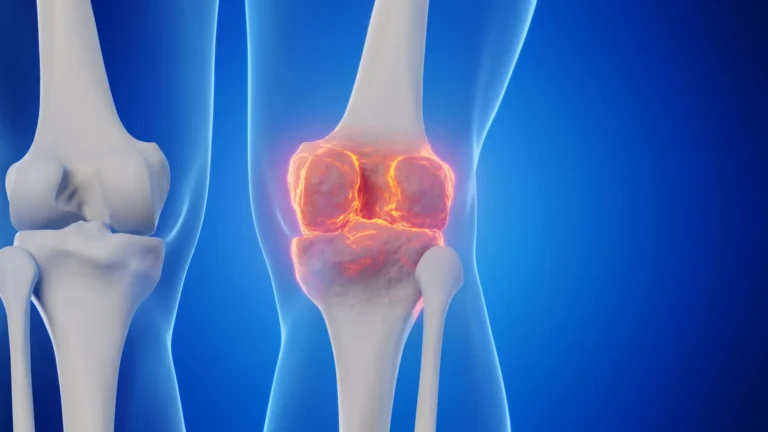











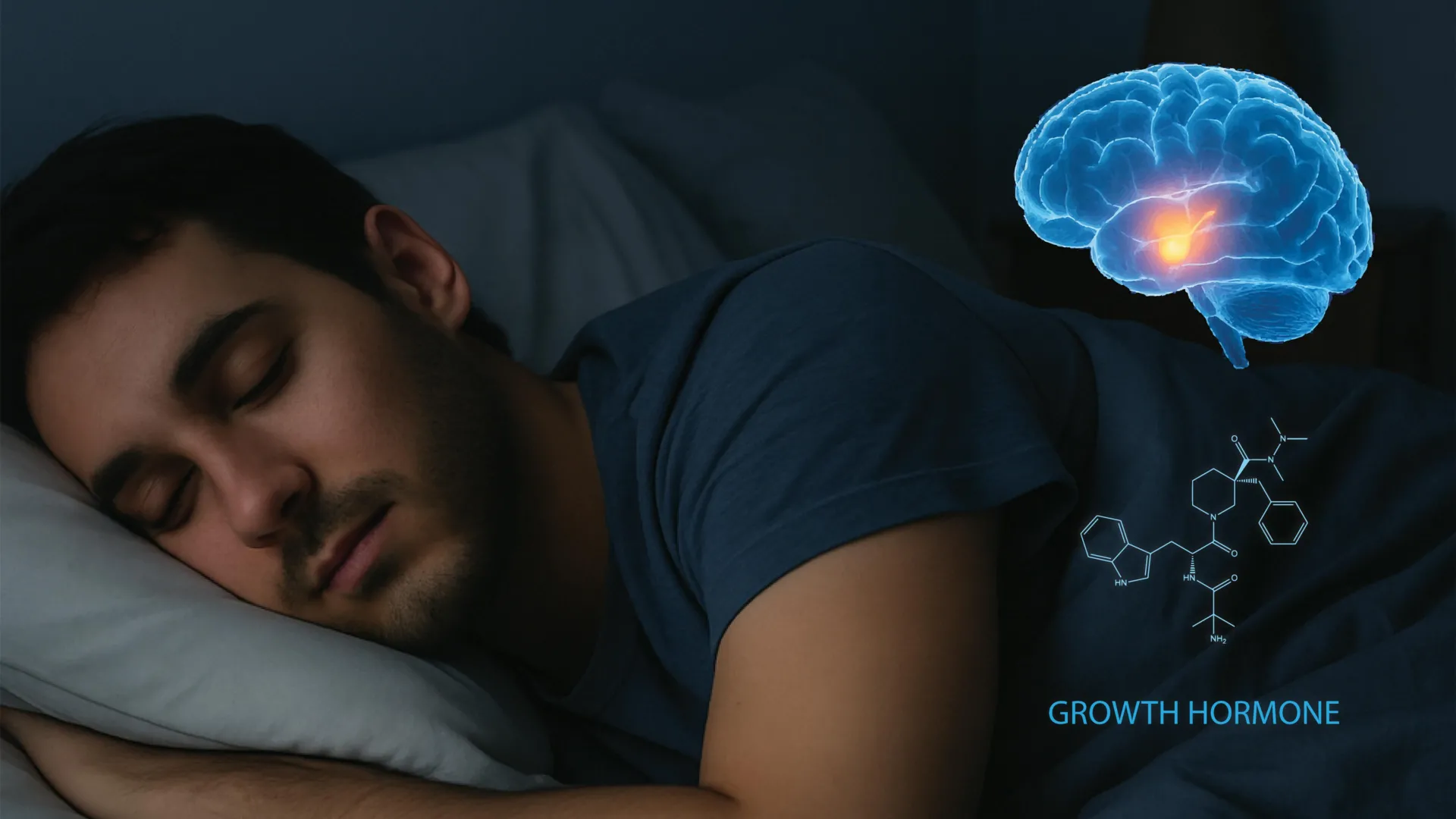
For decades, the medical community has operated on a foundational truth: sleep is the body’s most effective restorative tonic. Beyond the simple feeling of rejuvenation, slumber serves as the primary window for the release of growth hormone (GH)—a vital chemical messenger responsible for the synthesis of muscle and bone, the metabolic regulation of fat, and the healthy physical maturation of adolescents.
While athletes have long prioritized "sleep hygiene" to facilitate muscle recovery and teenagers have been warned that insufficient rest may stunt their physical development, the biological "how" behind this process remained a mystery. Why does the brain choose the deep, non-REM stages of sleep to initiate this release? How does it modulate the flow of hormones so precisely?
A groundbreaking study from the University of California, Berkeley, recently published in the journal Cell, has finally mapped the neural circuitry responsible for this phenomenon. By observing the brain in real-time, researchers have not only identified the specific neurons coordinating growth hormone release but have also uncovered a sophisticated feedback loop that links our sleep cycles to our metabolic and cognitive health.
The Mechanisms of Growth: Understanding the Hypothalamic Control Center
To grasp the significance of this discovery, one must look deep into the brain’s anatomy—specifically the hypothalamus. This ancient region, present in all mammals, acts as the command center for homeostasis. Within the hypothalamus reside two key types of neurons that orchestrate the release of growth hormone: growth hormone-releasing hormone (GHRH) neurons and somatostatin neurons.
Under normal physiological conditions, GHRH serves as the accelerator, stimulating the release of growth hormone, while somatostatin acts as the brake, suppressing it. However, the UC Berkeley research team, led by Professor of Neuroscience and Molecular and Cell Biology Yang Dan, discovered that this interplay is far more dynamic than previously thought.
By placing electrodes in the brains of mice—which exhibit short, frequent sleep cycles that allow for repeated observation—the team was able to stimulate hypothalamic neurons with light while recording neural activity. They found that the regulation of GHRH and somatostatin is highly stage-dependent. During REM (rapid eye movement) sleep, both hormones increase, facilitating a specific surge of growth hormone. Conversely, during non-REM sleep, somatostatin levels drop while GHRH rises moderately, creating a distinct hormonal signature that supports deep physical restoration.
Chronology of a Discovery: From Theory to Neural Mapping
The journey to mapping this circuit was both rigorous and technologically demanding. For years, the scientific community relied on indirect measurement—taking blood samples from sleeping subjects to track hormone levels. While informative, this method lacked the spatial and temporal resolution to see the "wiring" in action.
Phase 1: Direct Neural Observation
The UC Berkeley team moved beyond blood sampling by utilizing advanced circuit-tracing techniques and direct neural recording in mice. This allowed them to observe the real-time firing of neurons in the hypothalamus as the mice transitioned between wakefulness and various stages of sleep.
Phase 2: Identifying the Actors
Through these recordings, the team isolated the specific roles of GHRH and somatostatin. They mapped how these neurons communicate with the locus coeruleus, a brainstem region long associated with alertness, attention, and cognitive response.
Phase 3: Uncovering the Feedback Loop
Perhaps the most startling finding was the discovery of a feedback mechanism that prevents the system from running unchecked. As growth hormone levels rise during sleep, they begin to stimulate the locus coeruleus. This creates a regulatory "crossover" where the very hormone meant to help the body recover also signals the brain to transition toward wakefulness.
Supporting Data: The Delicate Balance of Metabolic Health
The implications of this study extend far beyond the mechanics of sleep. Because growth hormone is a master regulator of glucose and fat metabolism, the discovery explains why chronic sleep deprivation is so closely tied to systemic metabolic disease.
When the "circuit" is disrupted by poor sleep, the body’s ability to manage glucose and fat is impaired. This misalignment is now seen as a primary contributor to the rising prevalence of obesity, Type 2 diabetes, and cardiovascular disease in modern populations. The research suggests that the brain’s inability to trigger the correct GHRH-somatostatin response during sleep doesn’t just lead to physical fatigue; it fundamentally alters the body’s metabolic "programming."
Furthermore, the involvement of the locus coeruleus—a region implicated in Parkinson’s and Alzheimer’s disease—adds a layer of neurological urgency to the findings. If the growth hormone circuit is responsible for "re-tuning" the locus coeruleus during sleep, then a breakdown in this circuit may be a precursor to neurodegenerative decline.
Official Perspectives: The Researchers Speak
"People know that growth hormone release is tightly related to sleep, but only through drawing blood and checking growth hormone levels during sleep," said Xinlu Ding, a postdoctoral fellow and the study’s first author. "We’re actually directly recording neural activity in mice to see what’s going on. We are providing a basic circuit to work on in the future to develop different treatments."
The research team emphasizes that this is not just an academic achievement but a roadmap for clinical intervention. Co-author Daniel Silverman, a postdoctoral fellow at UC Berkeley, highlighted the potential for future medical applications.
"Understanding the neural circuit for growth hormone release could eventually point toward new hormonal therapies to improve sleep quality or restore normal growth hormone balance," Silverman noted. "There are some experimental gene therapies where you target a specific cell type. This circuit could be a novel handle to try to dial back the excitability of the locus coeruleus, which hasn’t been talked about before."
Clinical Implications: A New Frontier for Disease Treatment
The discovery of this feedback loop provides a compelling explanation for the bidirectional relationship between sleep and arousal. According to the research, sleep drives growth hormone release, but growth hormone feeds back to regulate wakefulness. This creates a self-correcting system that is essential for long-term health.
Potential Applications:
- Metabolic Therapies: For patients suffering from diabetes or obesity, targeted therapies that "reset" the hypothalamic circuit could improve metabolic efficiency without the need for systemic hormone injections.
- Neurodegenerative Prevention: By identifying how growth hormone influences the locus coeruleus, researchers may be able to develop interventions that protect cognitive function and alertness in aging populations.
- Sleep Disorder Management: Current treatments for sleep disorders often rely on sedatives that disrupt natural sleep architecture. The discovery of this neural circuit allows for the potential development of drugs that "nudge" the brain into the correct hormonal states for deep, restorative sleep.
- Cognitive Enhancement: Because growth hormone influences the locus coeruleus—the brain’s hub for attention—there is a strong possibility that optimizing this circuit could lead to better cognitive outcomes and higher baseline arousal levels during the day.
Conclusion: Looking Toward the Future
As the scientific community digests these findings, the path forward appears clear. By identifying the exact neural circuitry of growth hormone, the UC Berkeley team has moved sleep science from a field of observation to one of precision engineering.
While much of the work was conducted in murine models, the fundamental nature of the hypothalamus suggests that these circuits are highly conserved in humans. Future research will undoubtedly focus on how these circuits can be safely targeted in clinical settings.
For the average person, the takeaway is simple but profound: sleep is not a passive state. It is an active, highly regulated biological process where the brain performs essential maintenance on the body. As we move closer to understanding the "switches and dials" of this system, we move closer to a future where sleep disorders and their downstream metabolic and cognitive effects can be corrected at their source.
The research was supported by the Howard Hughes Medical Institute (HHMI) and the Pivotal Life Sciences Chancellor’s Chair fund. The team included researchers from the UC Berkeley Department of Neuroscience and the Helen Wills Neuroscience Institute, with additional collaboration from Stanford University.