For many, the transition into their 60s and beyond is accompanied by an unwelcome shadow: the creeping sensation of stiffness. The standard advice is ubiquitous—stretch more, reach further, and hold those positions until the tension fades. Yet, for a significant portion of the aging population, this daily ritual yields diminishing returns. They find themselves trapped in a cycle of effort without relief, feeling restricted and uncomfortable despite their commitment to flexibility training.
As a fitness professional who has spent decades observing the mechanics of the human body, I have encountered a fascinating paradox. I have worked with septuagenarians who, despite an inability to touch their toes, possess a fluid, graceful quality of movement. Conversely, I have coached individuals who diligently stretch every morning only to remain locked in a state of physical rigidity. This disparity suggests that our understanding of "flexibility" is fundamentally flawed. It is not merely a matter of lengthening muscle fibers; it is a complex conversation between the brain and the body.
The Neurological Root of Mobility
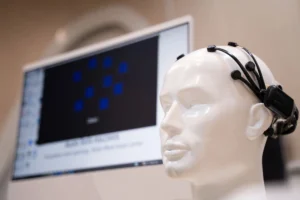
The secret to longevity in movement lies not in the elasticity of the hamstrings, but in the vigilance of the nervous system. Your brain acts as a central command center, constantly gathering telemetry from your joints, muscles, and fascia. It is not a passive recipient of this data; it is an active evaluator. Its primary objective is safety.
If your brain does not trust a specific range of motion—perhaps due to a past injury, a long period of inactivity, or simply a lack of "map" clarity in that area—it will actively limit your access to it. This is why aggressive, repetitive stretching often fails. You may force a tissue to lengthen temporarily, but if the nervous system perceives that position as "unsafe" or "unknown," it will trigger a protective contraction to return the body to its comfort zone. To create lasting change, we must convince the nervous system that these ranges are both safe and useful.
High-Definition Movement: The Power of Slowness
When we move with speed or momentum, the nervous system receives a blurry, fragmented stream of data. The brain struggles to process the intricacies of the joints, the tension in the connective tissue, and the spatial orientation of the limbs. In contrast, slow, deliberate movement acts like a high-definition lens.
By slowing down, you provide the cerebellum—the area of the brain responsible for coordination and motor control—the time it needs to process sensory feedback. This process enhances proprioception, or the body’s awareness of where it exists in space. As your brain gains a clearer "picture" of your body, it becomes less protective and more willing to grant you access to your full range of motion. We are essentially increasing the resolution of our internal map.
Chronology of Decline and Restoration
The loss of mobility after 60 is rarely an overnight event; it is a gradual erosion. As we age, we often fall into a trap of "movement variability reduction." We begin to avoid positions that feel "tight" or "awkward," preferring to stay within a narrow window of familiar, comfortable movement.
- The Sedentary Drift: We spend more time sitting, which shortens hip flexors and rounds the spine.
- The Protective Response: The nervous system interprets these shortened positions as the "new normal," tightening surrounding muscles to protect the joints.
- The Information Gap: Because we stop exploring the outer edges of our range of motion, the brain loses the ability to coordinate those movements efficiently.
- The Restoration Phase: By reintroducing slow, controlled movement, we signal to the brain that these ranges are not only safe but necessary for survival, effectively "unlocking" the stiffness.
Supporting Data: Why Speed is the Enemy of Awareness
Research into motor learning consistently suggests that the brain requires "cognitive load" to solidify movement patterns. When you perform a squat or a push-up at a rapid pace, your body relies on reflexive, ingrained habits—often the very habits that contribute to your current stiffness.
When you slow a repetition down to 60 or 90 seconds, you shift the workload. You are no longer using momentum to cheat through the hard parts of the movement. Instead, you are placing the muscular system under constant tension and, more importantly, flooding the nervous system with sensory input. This "Time Under Tension" (TUT) combined with "Time Under Awareness" (TUA) is the catalyst for improved mobility. You aren’t just training muscles; you are upgrading the software that controls them.
The Five Pillars of Controlled Mobility
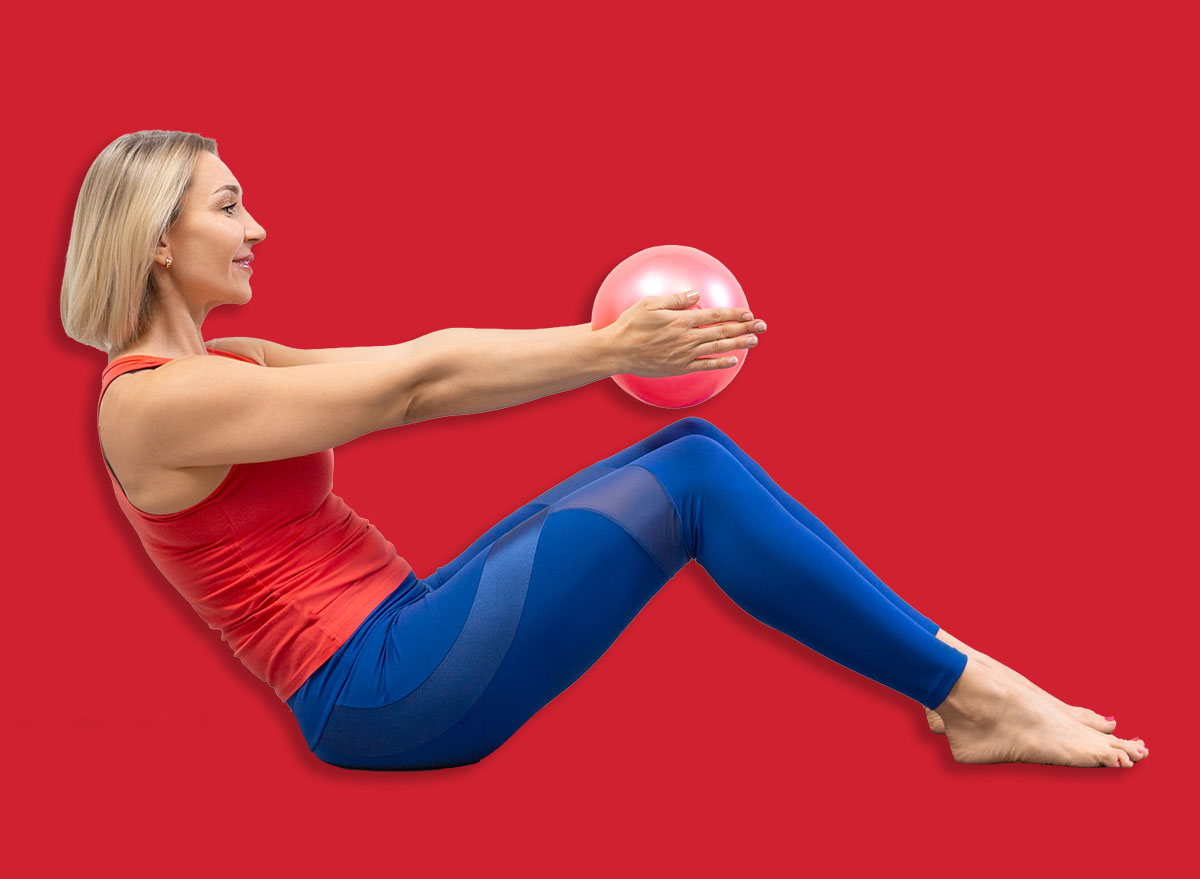
The following exercises are designed to be practiced for 60 to 90 seconds each. The goal is not to achieve a "burn" in the traditional sense, but to achieve a state of heightened neurological connection.
1. The Slow Motion Squat
This foundational movement recalibrates the ankle, knee, and hip joints. By descending at an agonizingly slow pace, you force the glutes and core to stabilize the spine, preventing the common "butt wink" or lower back compensation.
- Target: Quads, glutes, hamstrings, calves, and deep core.
- The Goal: Maintain a neutral spine throughout. If you feel your pelvis tucking, stop and reverse.
2. The Slow Motion Pushup
Often dismissed as an upper-body exercise, the pushup is actually a full-body integration drill. By slowing it down, you gain control over the scapular movement and core rigidity.
- Target: Pectorals, anterior deltoids, triceps, and core.
- The Goal: Ensure your elbows track at a 45-degree angle from the body. Focus on the "resolution" of your shoulder blades as you descend.
3. The Spinal Roll-Up and Roll-Down
The spine is the central pillar of the body, yet it is often the most neglected area in traditional fitness. This exercise treats the spine as a chain of individual links.
- Target: Spinal erectors, core, and hip flexors.
- The Goal: Visualize moving through sand. Each vertebra should be articulated one by one, rather than moving in one rigid block.
4. The Slow Motion Windmill
This is a masterclass in lateral chain mobility and rotation. It challenges the obliques and the fascia of the side body.
- Target: Obliques, hamstrings, shoulder stability, and lateral fascia.
- The Goal: Keep your eyes on the raised hand. This forces the brain to reconcile head position with torso rotation, which is vital for balance.
5. The Controlled Lunge
(Included as the final pillar) By performing a lunge with a slow, deliberate transition from the back to the front, you test your center of gravity and challenge your balance receptors.
- Target: Glute medius, hip stabilizers, and ankle proprioceptors.
- The Goal: Focus on the "tracking" of the front knee. It should stay aligned over the second toe, never collapsing inward.
Implications for Longevity
The implications of this approach are profound. By shifting the focus from "stretching for length" to "moving for awareness," you are doing more than just alleviating stiffness. You are building a body that is resilient, coordinated, and capable.
Professional trainers often refer to this as "movement hygiene." Just as you brush your teeth to prevent decay, you perform these slow movements to prevent the decay of your movement patterns. After 60, this is the single most effective insurance policy you can have against injury and the "cautious" way of walking that often signals a decline in health.
Ultimately, the goal is to stop treating your body like a machine that needs to be oiled and start treating it like a system that needs to be educated. When you teach your brain how to move again, your body will follow with a newfound ease that no amount of forced stretching could ever provide. Take the time, slow the pace, and watch as the blurry photograph of your physical health shifts into sharp, high-definition focus.