For decades, the public narrative surrounding obesity has been deceptively simple: weight loss is a matter of moral fortitude. We have been conditioned to believe that the solution to an expanding waistline is a straightforward equation of "eat less, move more." If one fails to reach their goal weight, the cultural verdict is often one of personal failure—a lack of willpower or discipline.
However, modern neuroscience and endocrinology have dismantled this reductive perspective. The latest scientific consensus suggests that weight loss is not merely a behavioral challenge; it is a complex biological struggle against a brain that perceives weight reduction as a direct threat to survival. Understanding this biological reality is the first step toward destigmatizing obesity and developing more effective, compassionate medical strategies.
The Evolutionary Burden: A Lifeline Turned Liability
To understand why the body fights so fiercely against weight loss, we must look back hundreds of thousands of years to our early human ancestors. For them, body fat was not a cosmetic concern; it was a critical survival mechanism. In environments defined by scarcity, the ability to store energy efficiently was the difference between life and death.
Our ancestors who possessed the most efficient energy-storage systems were the ones most likely to survive famine, disease, and periods of extreme exertion. Consequently, human physiology evolved to guard these energy reserves with high-level biological defenses. The brain became hard-wired to perceive a significant drop in body fat as a precursor to starvation.
In our modern, high-calorie, sedentary environment, those same survival mechanisms have become a physiological mismatch. We are living in a world where food is hyper-abundant and movement is entirely optional, yet our internal systems are still operating under the "famine-protection" protocols of the Paleolithic era. When an individual attempts to lose weight, the body does not distinguish between a deliberate health choice and a life-threatening food shortage. It reacts by surging hunger hormones, intensifying food cravings, and dramatically slowing the metabolic rate.
The Brain’s "Weight Memory": Why the Scale Doesn’t Budge
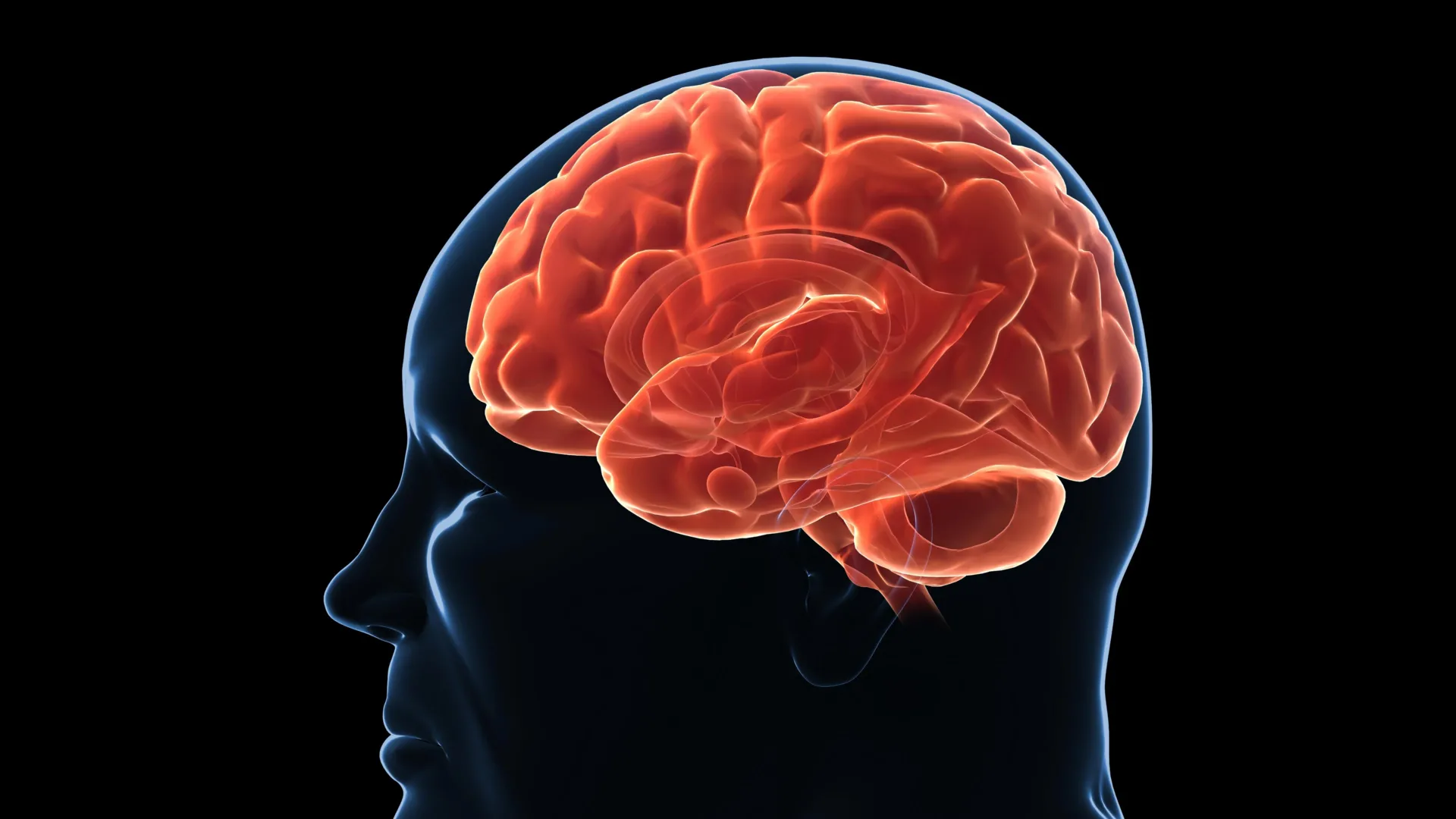
Recent research into the neurological regulation of metabolism has unveiled a phenomenon often referred to as "weight memory." The brain acts as a thermostat for body weight, known as a "set point." This system evolved to ensure that if an individual lost weight during a period of hardship, the body would strive to regain that weight once resources became available again to restore the "normal" equilibrium.
For modern humans, this poses a profound challenge. If a person spends years at a higher weight, the brain encodes that state as the new biological baseline. Once that higher weight is achieved, the brain treats it as the "normal" standard and will aggressively defend it. This is the biological mechanism underlying the high rates of weight regain observed in almost every major diet study. When someone restricts calories to lose weight, the brain senses a departure from its "defended" weight and initiates a series of compensatory measures—increasing appetite and decreasing energy expenditure—to force the body back to its previous, higher state.
This is not a failure of character; it is a manifestation of the body doing exactly what it evolved to do: protecting what it perceives as its vital energy reserves.
Hacking the Biological Signal: The Pharmacological Frontier
The emergence of GLP-1 receptor agonists, such as Wegovy (semaglutide) and Mounjaro (tirzepatide), has fundamentally altered the landscape of obesity treatment. These medications represent a paradigm shift because they operate at the biological level, effectively "hacking" the signaling pathways between the gut and the brain.
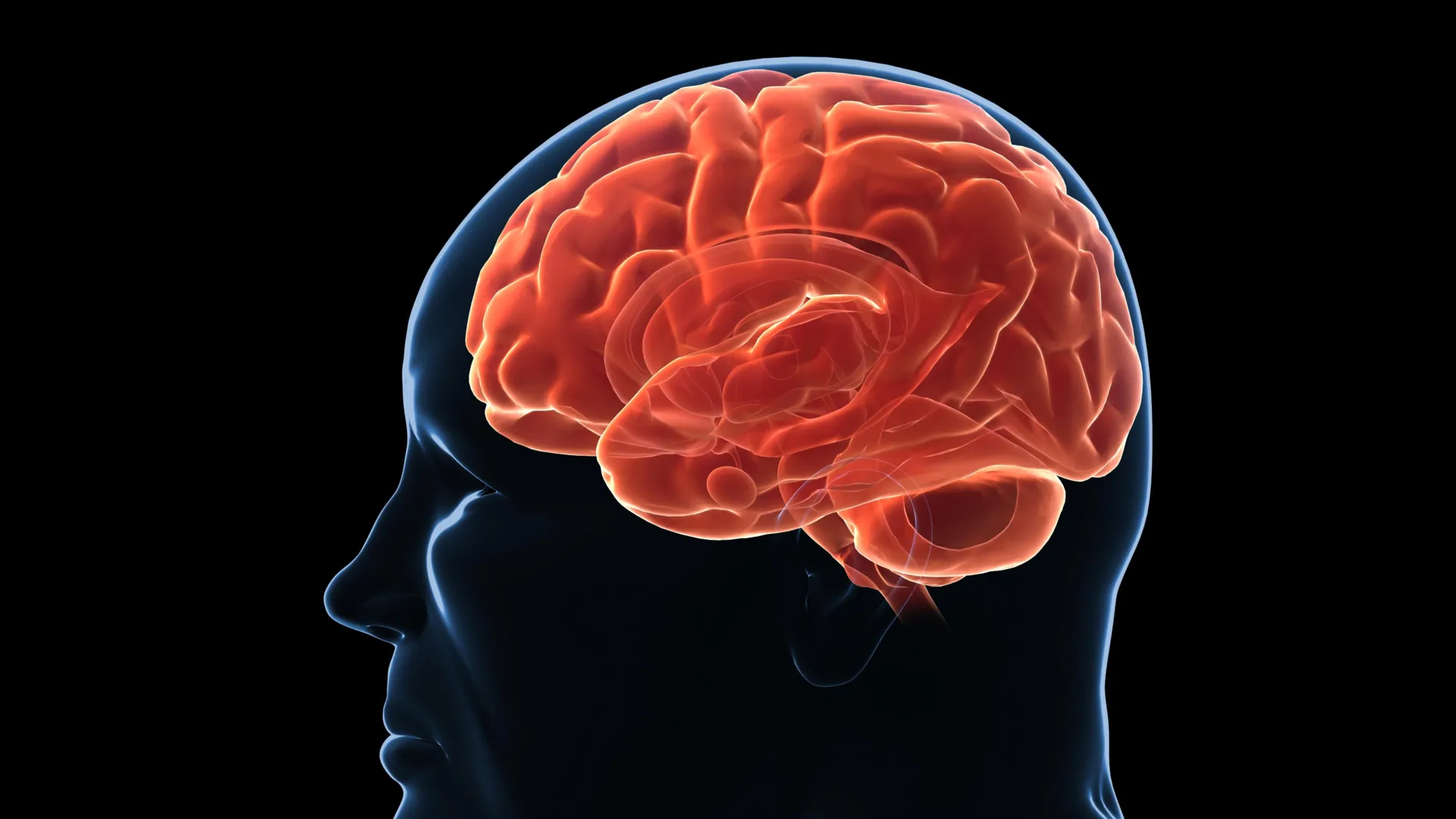
By mimicking natural gut hormones that signal satiety, these drugs can dampen the intense, persistent hunger signals that typically sabotage weight loss efforts. In essence, they provide a chemical buffer that allows an individual to adhere to a caloric deficit without the overwhelming, biological drive to overeat.
However, the medical community cautions against viewing these drugs as a universal "silver bullet." The reality of clinical application is nuanced:
- Response Variability: Some patients do not experience the expected weight loss, suggesting that the root causes of obesity—which can range from genetic predispositions to hormonal imbalances—are not identical in every individual.
- Side Effects: Gastrointestinal issues and other adverse effects can lead to high discontinuation rates.
- The Rebound Effect: Data indicates that once medication is ceased, the biological "set point" often reasserts itself, leading to significant weight regain. This suggests that for many, obesity may be a chronic condition requiring long-term management rather than a curable, short-term illness.
Looking forward, researchers are investigating "next-generation" therapies that aim to recalibrate the brain’s weight set point permanently, potentially allowing for lasting weight maintenance even after treatment concludes.
Redefining Success: Health Beyond the Scale
One of the most vital shifts in contemporary medical discourse is the separation of "health" from "weight." Extensive studies now demonstrate that metabolic and cardiovascular health can be drastically improved through lifestyle interventions—such as improved sleep, balanced nutrition, and regular physical activity—even in the absence of significant weight loss.
Focusing on the number on the scale often encourages crash dieting, which triggers the body’s starvation response and further disrupts metabolic health. Instead, clinicians are increasingly advocating for "sustainable habits." Prioritizing sleep, for instance, has been shown to regulate the hormones ghrelin and leptin, which control appetite. Similarly, consistent movement improves insulin sensitivity and heart health, providing profound benefits that are entirely independent of body mass index (BMI).
A Socio-Economic Imperative: Moving Beyond the Individual
While biological research provides the "how" of weight regulation, it is equally important to acknowledge the "why" of the current obesity epidemic. Obesity is not merely an individual condition; it is a public health crisis driven by an "obesogenic" environment.
Research suggests that society must pivot from blaming individuals to addressing the structural causes of obesity:
- Early-Life Interventions: The period from pregnancy to age seven is a critical window during which the body’s weight-regulation systems are most malleable. Nutrition and lifestyle habits formed during this time can influence metabolic health for a lifetime.
- Food Policy: Aggressive marketing of ultra-processed, calorie-dense junk food—particularly toward children—creates a landscape where making healthy choices is difficult. Standardizing food portions and improving the quality of school meals are essential public health steps.
- Built Environment: Urban planning that prioritizes automobiles over pedestrian and cycling infrastructure restricts natural movement. Re-engineering our cities to encourage active transport is a low-cost, high-impact preventative measure.
Conclusion: A New Era of Understanding
The science is clear: the struggle with weight is rarely a struggle of morality. It is a complex, multi-layered battle against an ancient, resilient biological system. The brain is a formidable opponent, evolved to protect us from the dangers of the past.
By shifting the conversation away from shame and toward a deeper understanding of human biology, neuroscience, and systemic public health reform, we are beginning to change the rules of the game. For those who have spent years feeling like failures because of their inability to maintain weight loss, the science offers a liberating truth: it is not your fault. It is your biology. And for the first time in history, we finally have the tools—both medicinal and structural—to work with that biology, rather than against it.