






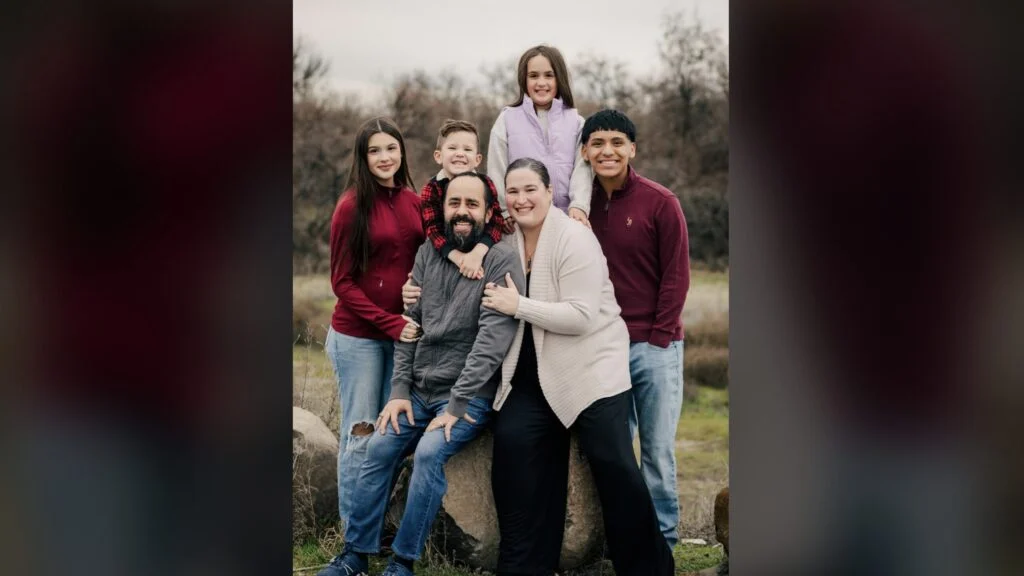
For families battling terminal illness, the news of an FDA drug approval is often viewed as the ultimate beacon of hope—the moment a medical breakthrough transitions from an experimental concept to a standard of care. But for Kelsey Solano, a critical care nurse from Washington state, the recent approval of Rasonque, a groundbreaking pancreatic cancer treatment, triggered not relief, but a visceral sense of dread.
While the medical community hailed the drug’s potential to nearly double median overall survival rates, Solano found herself trapped in a administrative nightmare. The very approval that was meant to save her husband, Juan, acted as a gatekeeper, slamming shut the doors to the "compassionate use" program he had been relying on, only to leave him stranded in a "no-man’s land" where commercial insurance was not yet ready to step in.
The Anatomy of a Regulatory Labyrinth
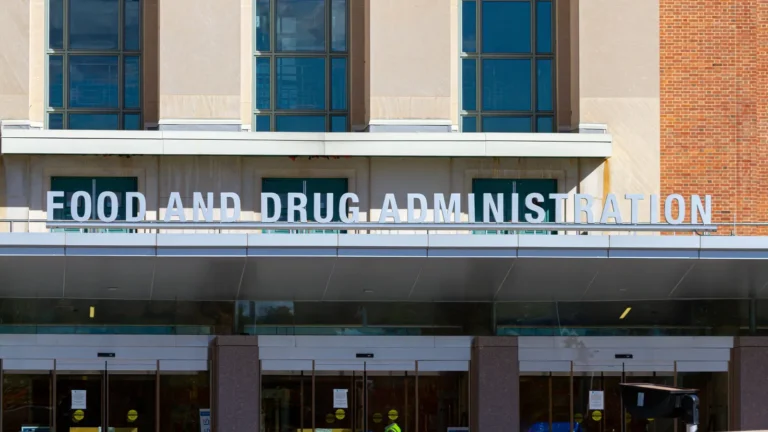
The core of the problem lies in the disconnect between federal regulatory speed and the sluggish gears of the American health insurance apparatus. When the FDA approves a drug, manufacturers typically shutter their Expanded Access Programs (EAP)—also known as "compassionate use"—because the drug is now technically available through the commercial market.
However, "available" is a relative term. In reality, a newly approved drug must navigate a complex series of technical requirements: it must be assigned a national drug code, uploaded to proprietary databases, and integrated into the formulary systems of hundreds of individual insurance providers. For a patient with a rapidly progressing disease like pancreatic cancer, this "technical transition" period, which can last weeks or even months, is not merely a paperwork delay; it is a life-threatening void.
A Chronology of a Crisis
The trajectory of Juan Solano’s journey highlights the harrowing timeline faced by thousands of patients in similar positions:
- January 2025: Juan is diagnosed with stage 3 pancreatic cancer. Following a complex Appleby Procedure and a grueling course of chemotherapy, the couple believes he is cancer-free by November 2025.
- January 2026: Within two months of his perceived recovery, the cancer returns as stage 4.
- Early 2026: Juan enrolls in a clinical trial at the Fred Hutchinson Cancer Center. While the experimental therapy slows the disease, the tumors eventually metastasize to his liver, bile duct, and peritoneum.
- August 2026: As the clinical trial concludes, the Solano family turns to the expanded access program for Rasonque, developed by Revolution Medicines.
- Late August 2026: The FDA grants official approval for Rasonque. The compassionate use program is immediately closed.
- September 2026: Kelsey Solano enters a 48-hour whirlwind, making 61 phone calls to insurance providers, hospitals, and pharmacies, only to be told that the drug is not yet in the system.
- Mid-September 2026: Forced to act, Solano secures a limited seven-day supply of the $40,000-a-month drug by leveraging personal credit, despite the bank’s suspicion of potential fraud.
- Late September 2026: Following external pressure and an escalation of her case, Aetna confirms one-year coverage, and the manufacturer provides a 30-day supply.
The Disconnect: Clinical Data vs. Administrative Reality
The frustration shared by oncologists and advocates is rooted in the predictability of these approvals. Dr. Arturo Loaiza-Bonilla, a hematologist-oncologist at St. Luke’s University Health Network, argues that the current system is inexcusably reactive.
"When they saw the standing ovation at the plenary in ASCO in June, they should’ve said, ‘Well, this is going to be approved; we should have this in the system already,’" Dr. Loaiza-Bonilla noted. "Patients are on the line. There should be a mandatory number of days before they update the system and have it available."
The case of one of Dr. Loaiza-Bonilla’s Medicare patients perfectly illustrates the absurdity of the current process. The patient was denied coverage on the grounds that the drug was "not properly listed" with the FDA—a non-clinical justification that defies logic for a federally approved medication. Only after the doctor publicized the denial on social media did the pharmacy benefit manager suddenly find the capacity to approve the prior authorization.
Official Responses and Systemic Vulnerabilities
Representatives from both the pharmaceutical industry and insurance companies maintain that their systems are designed to help, yet the gap remains wide.
Anthony Mancini, the chief global commercialization officer for Revolution Medicines, pointed to the company’s (ON)PATH program, which is designed to assist patients in navigating the launch period. He emphasized that the company aims to prevent treatment interruptions. However, programs like (ON)PATH often require a pending prior authorization request to be initiated by an insurer—a request that insurers frequently claim they cannot generate until the drug is formally added to their formulary.
CVS Health, which owns Aetna, stated that they aim to approve coverage within hours of receiving all necessary documentation. Yet, this "just-in-time" philosophy offers little comfort to families whose loved ones are in the hospital. The fundamental issue is that "eligible patients" are being caught in a limbo where they are technically eligible for a drug that their insurer has not yet "seen" in their database.
The Human Toll: Beyond the Spreadsheet
For the Solano family, the struggle for access was compounded by the impossible choices they were forced to make. Kelsey, an 8-year-old daughter who had raised $13,000 through a nonprofit for cancer research, asked if her hard-earned funds could be used to pay for her father’s treatment.
"It was hard to explain why I couldn’t just take that money," Kelsey said. "I was like, we are a legitimate nonprofit, and we have a board, and we cannot give the money to Dad."
The irony is as sharp as the grief. While the family eventually secured coverage, the delay had already taken its toll. Juan, having spent time off treatment during the administrative scramble, developed life-threatening complications, including a portal vein clot and hepatic encephalopathy.
Implications for Future Policy
The situation surrounding Rasonque is a microcosm of a larger, systemic failure in oncology care. Julie Fleshman, CEO of the Pancreatic Cancer Action Network (PanCAN), suggests that the time has come for policy reform.
"It’s logical that there’s some process in place that after a drug is approved, insurance companies need time to review it," Fleshman said. "But in a case where a disease is deadly and a drug shows promise, that time period should be expedited."
Potential policy solutions being discussed among advocates include:
- Mandated "Launch Readiness": Requiring insurers to have a preliminary coverage pathway in place for oncology drugs that receive breakthrough therapy designations from the FDA.
- Grace Periods: Legislation that would allow for temporary coverage of recently approved medications for patients who were previously in an expanded access program.
- Database Synchronization: A unified federal requirement for pharmacy benefit managers to update their systems within a strictly defined window following FDA approval.
Conclusion: A Race Against Time
The story of the Solano family is a testament to the resilience of the human spirit, but it is also a stinging indictment of a healthcare system that prioritizes technical databases over the urgent needs of the dying. While Juan is now receiving the medication—and has even reported a miraculous, if temporary, reduction in his chronic pain—the question remains: how many other families are currently losing their battle not to cancer, but to the silence of an insurance portal?
As medical science advances at an unprecedented pace, the administrative infrastructure supporting that science must evolve accordingly. Until then, patients like Juan are left to hope that their, or their doctors’, voices are loud enough to break through the bureaucracy before time runs out.