







For decades, the clinical understanding of chronic insomnia has been anchored in a deceptively simple metric: the average number of hours an individual sleeps. Patients often report feeling exhausted, irritable, and cognitively taxed, yet when they undergo traditional clinical assessments—ranging from subjective sleep diaries to single-night polysomnography in a lab—the results frequently fail to capture the depth of their suffering.
A groundbreaking new peer-reviewed study, led by researchers at Washington State University (WSU) in collaboration with the University of Washington, is challenging this long-standing paradigm. The study suggests that the debilitating nature of chronic insomnia is not rooted in a reduction of total sleep duration, but rather in the unpredictable, chaotic nature of sleep patterns from one night to the next.
Main Facts: Redefining the Insomnia Experience
The study, published in JMIR Formative Research, fundamentally shifts the focus of insomnia research from "quantity" to "consistency." By tracking 112 adults—83 diagnosed with chronic insomnia and 29 healthy control subjects—over eight consecutive weeks, researchers were able to move beyond the "snapshot" approach that has limited sleep medicine for years.
The data yielded a startling conclusion: there was virtually no significant difference in the average total sleep time between the two groups. Those with chronic insomnia slept an average of 6.57 hours per night, while the control group averaged 6.60 hours. Despite these nearly identical totals, the subjective experience of the insomnia group was vastly different.
The primary differentiator was not how much they slept, but how erratically they slept. The chronic insomnia cohort exhibited profound night-to-night variability in sleep efficiency, the time it took to reach sleep onset, and the duration of overnight wakefulness. This "rhythmic unpredictability" appears to be the true driver of the cognitive and emotional impairment associated with the condition.
Chronology of the Research: An Eight-Week Longitudinal Deep Dive
The methodology of this study marks a departure from traditional, hospital-based sleep studies. Historically, sleep medicine has relied on two main methods:
- Sleep Diaries: Subjective, prone to recall bias, and often incomplete.
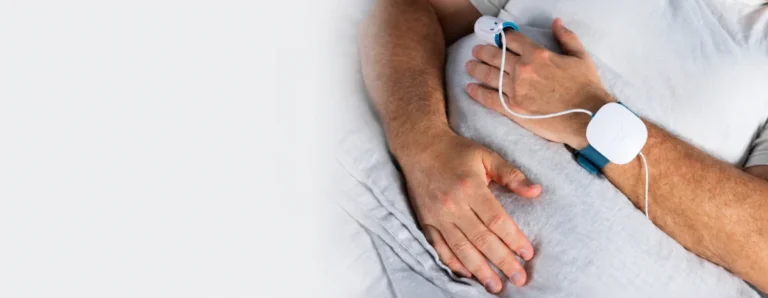
- In-Lab Polysomnography (PSG): Highly accurate but ecologically invalid. Being hooked up to wires in a strange, clinical environment often causes "first-night effect" stress, which can mask the true nature of a patient’s sleep.
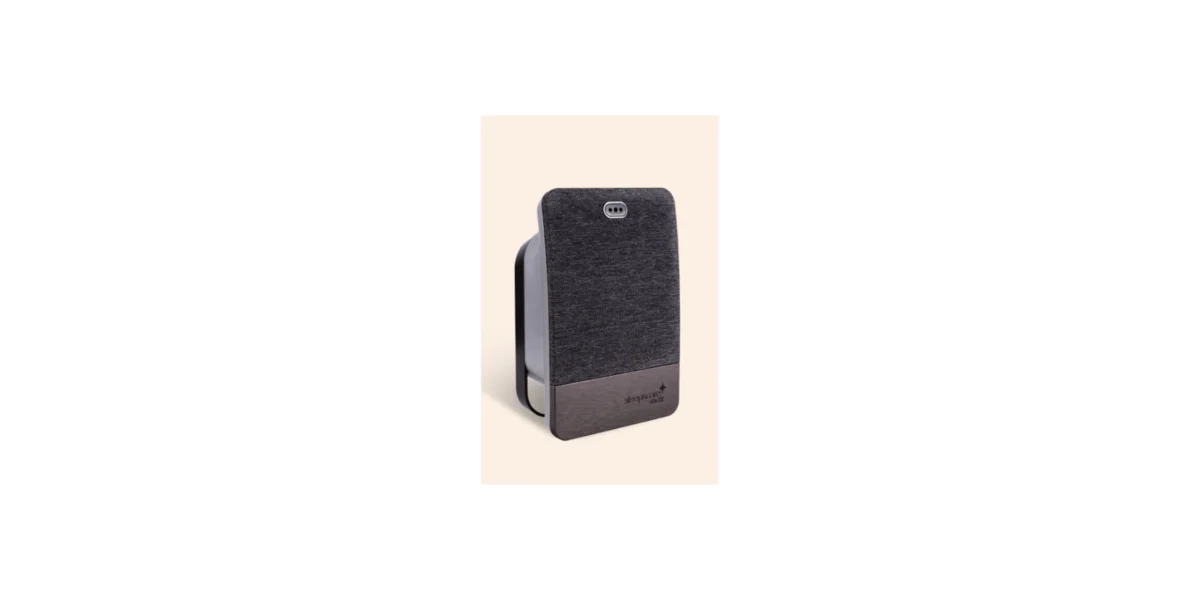
To overcome these hurdles, the research team employed contactless, radiofrequency sleep measurement technology provided by Sleep.ai. This technology, specifically the SleepScore Max device, allowed for continuous, objective data collection in the participants’ own bedrooms.
The Study Timeline:
- Preparation: Researchers recruited a cohort of 112 participants, carefully screened for chronic insomnia diagnoses versus healthy control profiles.
- The Tracking Phase: Over a continuous 56-day (eight-week) period, the technology passively monitored sleep cycles. Because the technology is contactless, it captured data without the participants needing to wear sensors or trackers, ensuring the sleep environment remained as natural as possible.
- Data Synthesis: The researchers aggregated the nightly data to map the "variability index" for each participant.
- Comparison: By comparing the nightly standard deviations of sleep efficiency, the team identified the "chaotic" signature of insomnia that is smoothed over when researchers only look at an eight-week average.
Supporting Data: The Illusion of Averages
The study’s findings provide empirical weight to what many patients have long reported: that they feel sleep-deprived even when they "get their hours."
The statistical analysis revealed that while the mean sleep duration was similar, the variance was not. A patient with chronic insomnia might have one night where they sleep 8 hours, followed by a night of 4 hours, followed by 6 hours. When averaged out, this looks like a "normal" night, but the body’s circadian rhythm and homeostatic sleep drive are left in a state of perpetual disarray.
Key Metrics Analyzed:
- Sleep Onset Latency (SOL): The time required to fall asleep. In the insomnia group, this metric fluctuated wildly, creating a sense of dread and anxiety around the act of going to bed.
- Wake After Sleep Onset (WASO): The duration of wakefulness during the night. The data showed that the insomnia group experienced frequent, unpredictable fragments of wakefulness, preventing the attainment of deep, restorative sleep stages.
- Sleep Efficiency: The percentage of time spent in bed actually asleep. The instability of this metric was identified as the hallmark of the clinical insomnia phenotype.
Official Responses: The Clinical Perspective
The research has sent ripples through the sleep medicine community, as it validates the frustration clinicians often face when traditional diagnostic tools fail to align with patient complaints.
Devon A. Hansen, PhD, lead author of the study at Washington State University, emphasized the necessity of this shift in perspective. "For years, insomnia research focused on averages, which often made differences seem small," Hansen stated. "This study shows the real story: people with chronic insomnia live with unpredictable sleep night after night. Being able to track this objectively in people’s own homes over two months opens up new possibilities for both research and care."
Dr. Nathaniel F. Watson, a sleep specialist and researcher at the University of Washington, highlighted the diagnostic gap. "As a sleep doctor and researcher, I know how hard it can be to truly capture patients’ sleep experiences using traditional methods," Dr. Watson noted. "This study shows that contactless, at-home sleep technology can fill that gap. Recognizing nightly variability as a core feature of insomnia could change how we screen, diagnose, and ultimately treat the condition."
The technological partner behind the study, Sleep.ai, also underscored the importance of moving beyond the "single-night snapshot." Elie Gottlieb, PhD, head of applied science at Sleep.ai, commented, "This study validates that meaningful sleep insights require more than a single night’s snapshot. By tracking sleep objectively and contactlessly in people’s own homes, we can move beyond lab-based limits and give consumers and clinicians tools to understand sleep as it truly happens."
Implications: The Future of Sleep Medicine
The implications of this study are profound, touching on clinical practice, pharmacological development, and the future of consumer health technology.
1. Reimagining Diagnostic Criteria
If "variability" is the true marker of chronic insomnia, then standard diagnostic questionnaires—which often ask, "How many hours do you sleep on average?"—are fundamentally flawed. Future clinical evaluations may need to incorporate "variability scores" to better identify patients who may be misdiagnosed or dismissed because their average sleep duration appears within the normal range.
2. Tailored Therapeutic Interventions
Current treatments for insomnia, such as Cognitive Behavioral Therapy for Insomnia (CBT-I) or pharmacotherapy, are often evaluated based on their ability to increase total sleep time. However, if the goal is to stabilize the sleep-wake rhythm, treatments may need to be adjusted. Therapies that promote rhythmicity—such as strict light-exposure protocols, temperature regulation, and consistency in wake-up times—might become more central to treatment plans than traditional sedative-hypnotic drugs.
3. Accelerated Drug Development
For pharmaceutical companies, this study provides a new metric for success. Instead of aiming for a drug that simply "adds an hour of sleep," researchers can now focus on compounds that reduce nightly variability and improve sleep architecture stability. This provides a more nuanced way to evaluate the efficacy of new sleep-promoting medications.
4. The Rise of Longitudinal Home Monitoring
The success of this study suggests that the future of sleep medicine lies in the home. By removing the barrier of bulky, intrusive equipment, patients can provide high-fidelity data that reflects their true physiological state. This "big data" approach to sleep health will likely lead to personalized, data-driven interventions that can adapt to a patient’s unique sleep-wake profile.
Conclusion: A New Dawn for Insomnia Care
The WSU and University of Washington study serves as a wake-up call for the medical establishment. By proving that the suffering of insomnia patients is rooted in the chaotic, inconsistent nature of their rest, the researchers have opened the door to a more compassionate and accurate diagnostic process.
As we move toward a future where health monitoring is passive, continuous, and objective, the "average" will no longer suffice. By embracing the complexity of nightly sleep patterns, we can finally begin to address the true, hidden, and unpredictable burden of chronic insomnia, offering hope to millions who have felt that their struggle was invisible to the very professionals meant to treat them.