








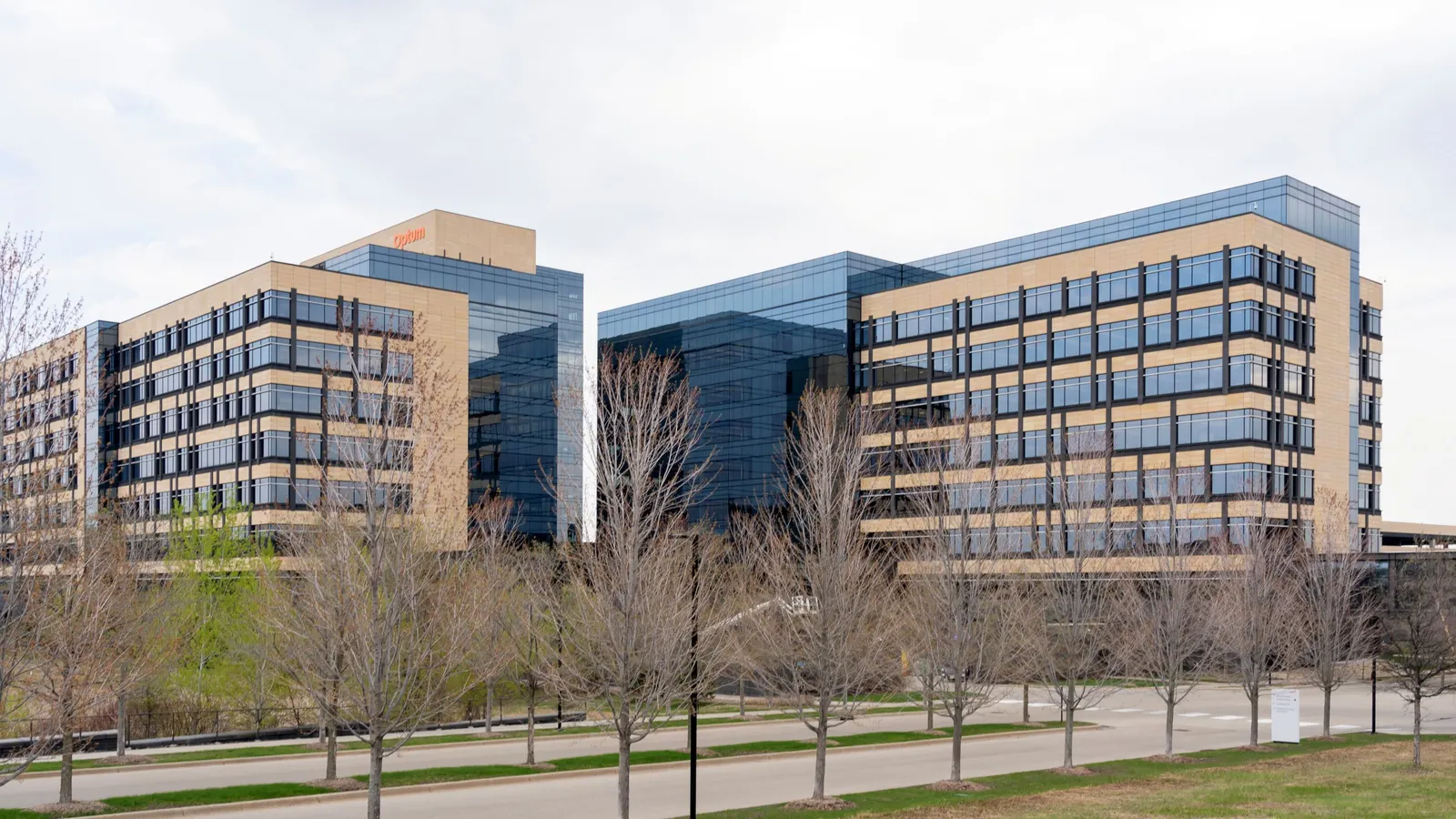
In a tectonic shift for the American healthcare system, the Federal Trade Commission (FTC) appears to be on the verge of dismantling the long-standing business model of the nation’s most powerful pharmacy benefit managers (PBMs). Following months of high-stakes litigation, Optum Rx—one of the "Big Three" firms that collectively dictate the flow of roughly 80% of all U.S. prescriptions—is reportedly nearing a settlement with federal regulators to resolve allegations of anti-competitive conduct related to insulin pricing.
This development marks the final act in a broader, aggressive campaign by the FTC to rein in the opaque industry of PBMs. By targeting the controversial practice of "rebate walls" and steering patients toward higher-cost drugs, the agency is signaling that the era of unfettered consolidation in the pharmaceutical supply chain is drawing to a close.
The Core Conflict: Insulin Pricing and Rebate Games
At the heart of the FTC’s 2024 lawsuit against the Big Three—CVS Caremark, Express Scripts, and Optum Rx—is a complex web of financial incentives that critics argue has inflated the cost of life-saving medications. The FTC alleges that these PBMs have leveraged their massive market share to create a "pay-to-play" environment.
Under this model, PBMs negotiate secret rebates with pharmaceutical manufacturers. These rebates, theoretically designed to lower drug costs, have instead been weaponized. The FTC argues that PBMs frequently prefer medications with higher list prices—and therefore higher absolute rebate amounts—over cheaper, more effective alternatives. This creates a perverse incentive: the more expensive the drug, the more profit the PBM retains, leaving the patient and the employer-sponsored health plan to shoulder the burden of inflated costs.
Insulin, a medication essential for millions of Americans, became the focal point of the agency’s scrutiny. By allegedly manipulating formularies to favor high-cost insulin brands, PBMs have been accused of effectively blocking market access for more affordable biosimilars and generics, directly contributing to the nation’s ongoing crisis of medication affordability.
A Chronology of Confrontation
The path to these settlements has been marked by a rapid escalation of regulatory pressure that caught many industry analysts by surprise.
- September 2024: The FTC officially filed its lawsuit against the Big Three, alleging that their business practices regarding insulin were not only anti-competitive but served as a primary driver of the affordability crisis in the United States.
- February 2025: The momentum shifted when Express Scripts, the PBM arm of Cigna, became the first to blink. They reached a comprehensive settlement with the FTC, agreeing to decouple their compensation structures from negotiated rebates and committing to a more transparent formulary process.
- March 2025: CVS Caremark followed suit, announcing a proposed settlement. While the terms remain in the final stages of legal review, the framework is widely expected to mirror the requirements imposed on Express Scripts.
- April 2025: The cycle reaches its current state with the news that Optum Rx, the PBM arm of UnitedHealth Group, is finalizing its own consent agreement. According to internal reports, the FTC’s bureaus of competition and consumer protection have already signaled approval for the deal.
This rapid-fire succession of settlements suggests that the PBM industry, once thought to be untouchable due to their sheer scale and integration within major insurers, has recognized that the political and legal winds have shifted permanently.
Supporting Data: The Scale of the "Big Three"
To understand the magnitude of this legal battle, one must grasp the sheer dominance of the entities involved. Collectively, CVS Caremark, Express Scripts, and Optum Rx manage pharmacy benefits for hundreds of millions of Americans.
- Market Dominance: Together, these three firms control approximately 80% of the U.S. prescription drug market. This oligopoly grants them unparalleled power to decide which drugs are covered, how much they cost, and which pharmacies patients can use.
- Financial Impact: Recent congressional investigations have highlighted that while PBMs claim to save money through negotiations, the "spread pricing" models—where they charge health plans more than they pay pharmacies—often result in billions of dollars in retained margins that are never passed down to the consumer.
- Insulin Inflation: Data submitted by the FTC during the discovery phase of the lawsuit indicated that between 2010 and 2022, the list price of popular insulin products rose significantly, even as the net price paid by manufacturers to PBMs plummeted due to rebates. This "rebate trap" has been the primary evidence used to force the current round of settlements.
Official Responses and Strategic Silence
The response from the corporate sector has been a mix of formal denial and strategic compliance. Throughout the litigation, all three firms have maintained that their business models are designed to reduce costs for health plans and employers. They have consistently denied the FTC’s allegations of anti-competitive behavior, framing their rebate negotiations as a standard, legal component of the pharmaceutical supply chain.
However, the legal filings tell a different story. By agreeing to settle, the PBMs are effectively choosing to accept new, stricter regulatory oversight rather than risk a protracted court battle that could result in structural breakups or even steeper financial penalties.
Optum Rx has remained characteristically tight-lipped. When pressed for comment following the news of the impending settlement, the company offered no statement, likely waiting for the official signing of the consent decree. Similarly, the FTC has maintained a policy of silence regarding the specifics of the Optum deal, with a spokesperson stating that the agency "has no comment at this time," a standard posture while a legal agreement is in the final stages of administrative processing.
The Broader Implications: What This Means for Patients
The ripple effects of these settlements are expected to be felt throughout the healthcare ecosystem. The shift away from rebate-linked compensation is, in essence, a move toward a more transparent, fee-for-service model.
1. Transparency in Drug Costs
By requiring PBMs to "delink" compensation from rebate volume, the FTC is forcing an end to the era of hidden markups. In theory, this should lead to a more direct relationship between the price of a drug and its therapeutic value, rather than its "rebateability."
2. Market Access for Biosimilars
One of the most promising outcomes of these settlements is the potential for increased competition. If PBMs are no longer incentivized to prioritize high-list-price drugs, smaller pharmaceutical companies producing generics and biosimilars will find it easier to gain access to formularies. This could lead to a significant, sustainable reduction in the cost of chronic medications like insulin.
3. Regulatory Precedent
Beyond the pharmaceutical sector, this case serves as a warning to other industries that rely on complex, opaque "middleman" fee structures. The FTC’s aggressive use of its authority to target business practices that harm consumers is a hallmark of the current administration’s approach to antitrust enforcement.
4. Challenges Ahead
Despite these victories, industry experts warn that the transition will not be seamless. PBMs are highly adaptive entities. There is a risk that as they lose the ability to capture revenue through rebates, they may attempt to find new ways to extract fees—perhaps by increasing administrative fees charged to employers or reducing the quality of pharmacy networks.
The finalization of the Optum Rx settlement will mark the end of a chapter, but it will not be the end of the story. As the PBM industry adjusts to this new regulatory reality, the eyes of the nation will remain fixed on whether these changes actually translate to lower costs at the pharmacy counter.
For the millions of Americans who rely on affordable insulin and other maintenance medications, the FTC’s intervention represents the most significant hope for reform in decades. The "Big Three" may still hold the keys to the pharmacy, but for the first time in history, the doors are being held open by federal regulators. The era of the "rebate-driven" pharmacy benefit is coming to a close; what replaces it will define the future of American drug pricing.