




By [Your Name/Journalistic Staff], with insights from Jana Wu, LCSW, LADC, ICAADC, CASAC
For over 15 years, clinician Jana Wu has stood on the front lines of mental health and substance use treatment. As she approaches the milestone of 50, she has found herself grappling with a recurring, uncomfortable inquiry: Why is the modern medical establishment—and society at large—so structurally predisposed to silence women’s distress before taking the time to truly understand its origins?
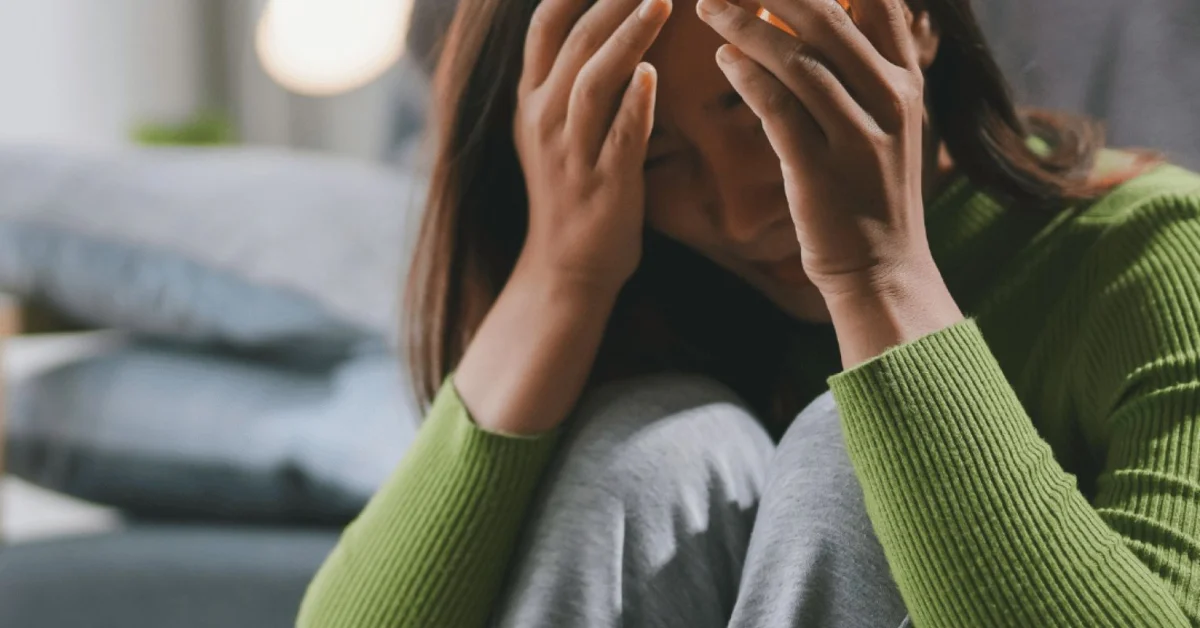
This question has taken on a new urgency with the rise of kratom. Across the United States, an increasing number of women in their late 30s through their 60s are reporting the use of this botanical substance, not as a recreational vice, but as a survival mechanism. For these women, kratom is a tool to navigate the crushing weight of "the sandwich generation"—balancing the demands of career, the emotional labor of raising children, and the physical toll of caring for aging parents. However, the reliance on such substances raises a critical red flag: Are we merely repeating a historical cycle of medicating women to ensure they remain productive, rather than addressing the systemic causes of their exhaustion?
The Historical Continuum: From "Hysteria" to "Mother’s Little Helper"
To understand the current trend of kratom use, one must look at the long, checkered history of how Western medicine has approached female anxiety. In the 19th century, the medical community frequently diagnosed women with "hysteria" or "neurasthenia." These catch-all terms were used to pathologize fatigue, insomnia, irritability, and physical pain—symptoms that were often the natural result of societal constraints or physiological shifts.
By the mid-20th century, the diagnosis changed, but the solution remained fundamentally chemical. As tranquilizers like Miltown emerged in the 1950s, followed by the blockbuster success of Valium in 1963, the pharmaceutical industry solidified a new standard of care: sedative-hypnotic relief. The ubiquity of these drugs was so profound that it seeped into the cultural consciousness. The Rolling Stones’ 1966 hit, "Mother’s Little Helper," served as a searing social commentary on the millions of women relying on prescribed tranquilizers to manage the relentless pressures of domestic and family life.
Nearly 60 years later, the prescription pads have changed, but the fundamental disconnect remains. When a woman presents with anxiety, the system is designed to provide immediate relief. The tragedy, as Wu notes, is that when the distress is chronic—rooted in systemic life stressors or the hormonal volatility of perimenopause—the relief becomes a long-term crutch rather than a temporary bridge.
Midlife in the Modern Era: A Perfect Storm
The current demographic trend of women using kratom during midlife is not accidental; it is a response to a unique biological and social confluence. Perimenopause often acts as a catalyst, introducing or intensifying symptoms such as profound sleep disruption, heightened anxiety, and mood instability.
Simultaneously, these women are operating at the peak of their professional and personal obligations. They are the primary caregivers for both the generation above and below them. When a woman in this position approaches a physician, she is often looking for a way to "keep going."
The current healthcare system is, by design, better equipped to "quiet" a symptom than to deconstruct the environment that produces it. True wellness would require a deep dive into hormonal, psychological, and situational factors—a process that demands time, curiosity, and patience. Instead, the pressure to maintain productivity often pushes both provider and patient toward the path of least resistance: chemical intervention.
The Kratom Phenomenon: Nature vs. Risk
Kratom (Mitragyna speciosa), a tropical tree native to Southeast Asia, has emerged as a distinct player in this landscape. Many women report stumbling upon kratom while searching for an alternative to traditional pharmaceuticals. They often describe it as an "energizing" relief, allowing them to exercise, work, and meet daily demands without the "zombie-like" fog they associate with traditional benzodiazepines.
The Perception of Safety
For many, kratom represents an attempt to reclaim control. It is often perceived as "natural" and "traditional," standing in contrast to the heavily regulated and sometimes stigmatized pharmaceutical system. However, experts like Wu warn that "natural" is not synonymous with "predictable" or "risk-free."
In the United States, kratom is not regulated by the FDA as a pharmaceutical drug. This creates a "Wild West" market where product potency, purity, and contamination levels vary wildly between brands and batches. A consumer may think they are taking a consistent dose of an herbal supplement, when in reality, they are ingesting a substance with potent pharmacological activity.
The Dangers of Poly-Substance Use
Perhaps the most significant clinical concern is not just the kratom itself, but the context in which it is used. In clinical settings, Wu frequently encounters patients who are "stacking" substances. It is not uncommon for a woman to use kratom while also consuming alcohol or taking prescribed benzodiazepines or opioids.
Because kratom can act as a sedative or an opioid-agonist depending on the dose, combining it with other CNS depressants exponentially increases the risk of:
- Excessive Sedation: Impairing the ability to drive or perform complex tasks.
- Respiratory Depression: A life-threatening condition where breathing slows to a dangerous level.
- Co-occurring Disorders: The masking of underlying depression or anxiety, which may worsen over time as the substances interfere with natural emotional regulation.
Whose Discomfort Are We Treating?
The most profound question raised by this trend is one of ethics: Whose discomfort is actually being treated?
When a society demands that women be simultaneously high-performing professionals, devoted mothers, and tireless caregivers, the anxiety they experience is often a rational response to an irrational set of expectations. By merely offering a pill or a botanical supplement to "fix" that anxiety, the medical community may be inadvertently enabling a status quo that is unsustainable for women’s health.
Clinical Recommendations
For clinicians and providers, the following approach is suggested:
- Listen Beyond the Symptom: When a patient requests help for anxiety, probe the history. Was there a previous prescription for benzodiazepines? What are the specific life stressors triggering the current state of "burnout"?
- Move Beyond Symptom Suppression: Shift the focus from "how do we make this go away" to "how do we understand this distress?" This includes screening for perimenopause and addressing systemic life-load issues.
- Address the "Relief" Trap: Providers must be transparent about the difference between acute relief and long-term treatment. Relying on any substance—prescribed or botanical—to "function" is a red flag that the underlying issues are being ignored.
- Educate on Interaction Risks: Patients often view "natural" products as benign. Clinicians have a duty to explicitly discuss the dangers of combining kratom with alcohol or sedatives.
Implications for the Future
The story of the woman seeking relief through kratom is not a story of individual moral failing; it is a symptom of a larger, systemic failure. If we continue to treat women’s distress as a nuisance to be quieted rather than a signal to be heard, we will continue to see the cycle repeat—only with different substances.
As the medical community continues to research kratom and the rising rates of kratom use disorder, the focus must remain on the human being behind the statistic. Whether it was a prescription for Valium in the 1970s or a bag of kratom powder in the 2020s, the underlying search for relief is the same. The real challenge, and the real medical necessity, lies in building a system that values a woman’s long-term health and emotional integrity over her ability to simply "keep up" with the demands of a relentless world.
Until we address the structural factors—the lack of support for caregivers, the biological gaps in women’s healthcare, and the societal demand for constant productivity—women will continue to seek their own relief. And as long as they do, we must remain vigilant, compassionate, and committed to the hard work of truly understanding why.