For many, the morning ritual is non-negotiable. Whether it is a pour-over in a quiet kitchen or a frantic espresso shot on the way to the office, the world consumes nearly two kilograms of coffee per person annually. Our specific preferences—the roast, the origin, the brewing method—are deeply personal, often driven by a fascinating intersection of genetics, caffeine metabolism, and the brain’s intricate reward circuitry.
However, amidst the enjoyment lies a persistent health question: what is this liquid stimulant actually doing to our cardiovascular system? Does your daily habit mask a silent threat to your blood pressure? While coffee is known to induce short-term spikes in blood pressure, recent research suggests the relationship is far more nuanced than a simple "good vs. bad" dichotomy.
The Silent Architect: Understanding Hypertension
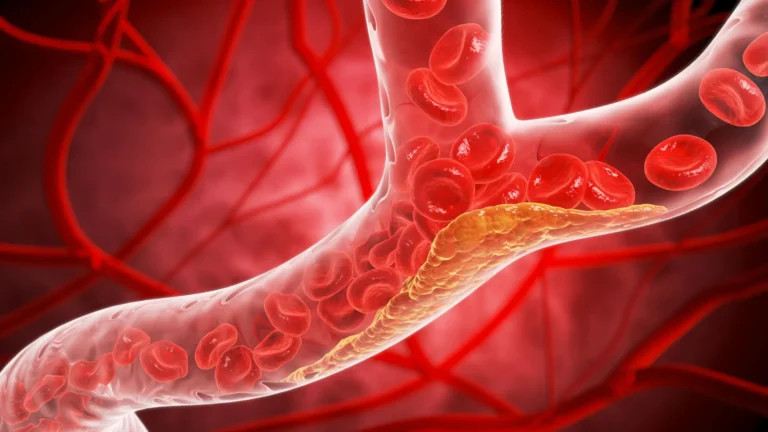
Before examining coffee’s role, it is essential to define the target. Blood pressure is the mechanical force exerted by your blood against the walls of your arteries as your heart pumps. It is a critical indicator of cardiovascular health, measured through two distinct values: systolic (the pressure when the heart beats) and diastolic (the pressure between beats).
A healthy reading sits below 120/80 mm Hg. Once those numbers consistently climb to 140/90 or higher, the medical community defines the state as hypertension. The danger of hypertension lies in its "silent" nature; it often presents with zero symptoms until a major event occurs. If left uncontrolled, it acts as a primary catalyst for heart attacks, strokes, and the progressive deterioration of kidney and heart function.
Current global statistics are sobering: approximately 31% of the adult population suffers from hypertension, with nearly half of those individuals completely unaware of their condition. Even among those who have been diagnosed and are undergoing treatment, roughly 47% fail to keep their pressure within a controlled, healthy range.
The Mechanics of a Caffeine Spike
The physiological impact of coffee begins with caffeine, a potent muscle stimulant. Upon ingestion, caffeine travels through the bloodstream, reaching peak concentrations between 30 minutes and two hours. Its "half-life"—the time it takes for the body to reduce the amount of caffeine by 50%—typically spans three to six hours.
The Adrenaline Trigger
Caffeine influences the cardiovascular system primarily by stimulating the adrenal glands. This process triggers the release of adrenaline, a hormone that forces the heart to beat faster and induces the constriction of blood vessels. As vessels narrow, the resistance against which the heart must pump increases, leading to an immediate, albeit temporary, rise in blood pressure. Research indicates that systolic pressure can rise by 3–15 points, while diastolic pressure may see an increase of 4–13 points following consumption.
The Metabolism Factor
The duration and intensity of these effects are not uniform. They are governed by three primary factors:
- Genetics: An individual’s genetic makeup determines whether they are a "fast" or "slow" metabolizer of caffeine.
- Habituation: Regular coffee drinkers develop a tolerance, allowing them to clear caffeine from their systems more efficiently than the occasional drinker.
- Biological Maturity: Age plays a role, as younger individuals or those with developing liver functions may process the stimulant differently.
Beyond Caffeine: The Phytochemical Paradox
To characterize coffee solely by its caffeine content is to ignore a vast, complex chemical profile. Coffee is a rich source of hundreds of phytochemicals—compounds that contribute to the drink’s flavor and aroma while simultaneously exerting biological influence on the human body.
Recent studies have highlighted specific phytochemicals that appear to counteract the blood-pressure-raising effects of caffeine:

- Melanoidins: These compounds play a role in regulating fluid volume in the body and modulating the activity of enzymes that govern blood pressure.
- Quinic Acid: This compound has demonstrated a capacity to improve the integrity of the vascular lining. By enhancing the health of blood vessels, quinic acid allows them to better accommodate transient increases in blood pressure, essentially providing a buffer against the stress of caffeine.
This "phytochemical counterbalance" may explain why coffee does not always manifest as a long-term risk factor for hypertension, despite its acute stimulant effects.
Chronology of Clinical Evidence
The scientific community has spent decades analyzing the long-term outcomes of coffee consumption.
The Broad View (The 13-Study Review)
A significant meta-analysis involving 13 studies and 315,000 participants sought to determine if coffee intake leads to a higher incidence of hypertension. Over the course of the follow-up periods, 64,650 participants developed the condition. However, when researchers adjusted for variables such as gender, daily intake volume, smoking status, and decaffeinated versus caffeinated options, they found no meaningful association between coffee consumption and the development of hypertension.
The Japanese Longitudinal Study
A more targeted study focused on 18,000 adults aged 40 to 79. Over nearly 19 years, researchers observed those with severe (Grade 2–3) hypertension. The findings were stark: those with severe hypertension who consumed two or more cups of coffee per day faced double the risk of cardiovascular-related death compared to non-drinkers. Notably, this increased mortality risk was not observed in individuals with normal blood pressure or those with mild (Grade 1) hypertension.
Implications for the Modern Consumer
The data paints a clear picture: for the vast majority of the population, coffee is not an inherently hypertensive beverage. However, the context of one’s existing health is paramount.
When to Exercise Caution
If you have been diagnosed with severe hypertension (Grade 2 or 3), the potential for a cardiovascular event is elevated. In these instances, the acute blood pressure spikes caused by caffeine may place unnecessary strain on a system already struggling to maintain equilibrium.
The Professional Consensus
The consensus is not to banish coffee, but to approach it with clinical mindfulness.
- Know Your Numbers: Regular blood pressure checks are non-negotiable. You cannot manage what you do not measure.
- Consult Your Physician: If you have high blood pressure, discuss your caffeine intake with a doctor. They may recommend limiting consumption or switching to decaffeinated options.
- Monitor Your Reaction: Pay attention to how your body responds to caffeine. If you experience palpitations or an irregular heartbeat (arrhythmia), your body is signaling that your current intake exceeds your tolerance.
- Moderation as Strategy: For those with normal blood pressure, coffee remains a safe and potentially beneficial ritual. However, "moderation" remains the gold standard. Over-consumption—especially when combined with high-sugar additives or excessive cream—can lead to other health complications that indirectly affect heart health.
The Bottom Line
Coffee remains one of the world’s most studied beverages. While the caffeine it contains acts as a temporary stimulant that can spike blood pressure, the beverage as a whole contains complex phytochemicals that may offer protective cardiovascular benefits.
The evidence suggests that for most people, a few cups of coffee a day will not lead to chronic hypertension. The risks primarily manifest in those who are already struggling with severe blood pressure management. By remaining informed about your own cardiovascular health and consuming coffee with an awareness of its physiological effects, you can continue to enjoy your daily cup without compromising your heart’s longevity.