By Jackie Keating, LCSW
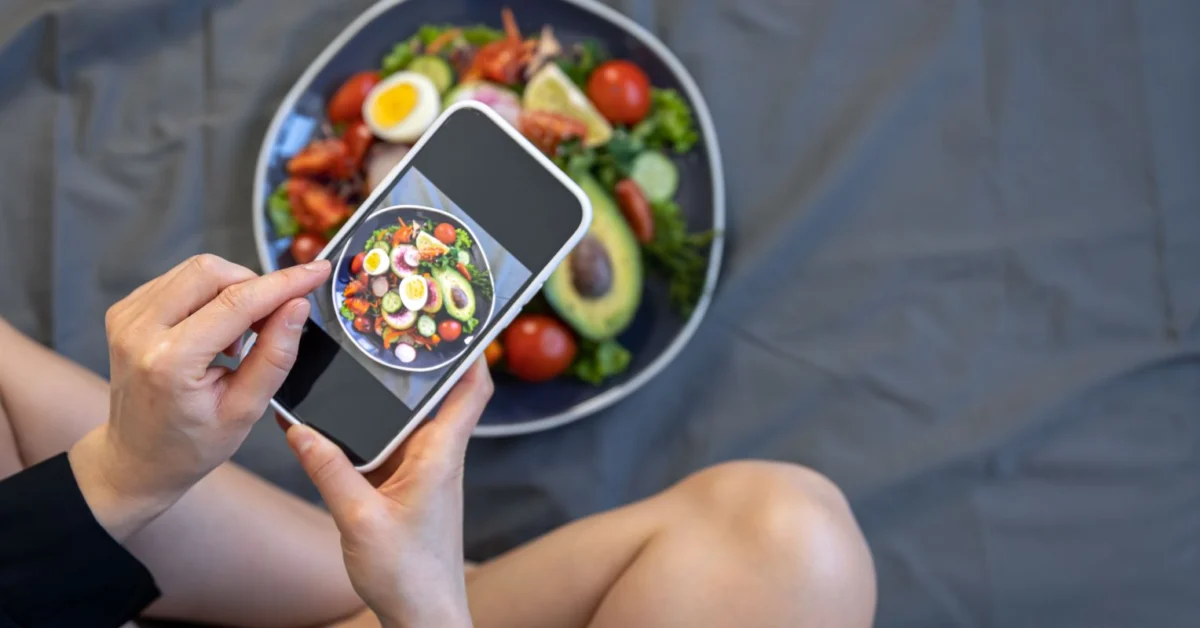
It is a familiar Sunday night ritual for millions: the lights are dimmed, you are propped up in bed, and your thumb begins its rhythmic scroll through the endless expanse of your social media feed. In search of a moment of distraction, you are met instead with a barrage of carefully curated perfection. An influencer presents a "what I eat in a day" video—a series of aesthetically pleasing meals devoid of carbohydrates and stripped of caloric substance. Minutes later, you see a humorous post about the "necessity" of wine to survive the stresses of parenting, followed immediately by a high-energy advertisement for a fitness program promising to "fix your life" in three simple, transformative steps.
The next morning, the digital narrative migrates into the physical world. A colleague mentions a new, restrictive diet they are beginning; a friend texts about the urgent need to "get ready for summer"; and a global celebrity announces their latest plant-based regimen to the masses. The messaging is omnipresent, relentless, and increasingly dangerous.
The Anatomy of Modern Diet Culture
Social media platforms are designed for connection, yet they have inadvertently created an environment where diet culture thrives. By leveraging algorithms that reward visual perfection and extreme transformations, these platforms expose users to a toxic cocktail of unrealistic beauty ideals and moralized eating.
Diet culture operates on a seductive promise: if you achieve a specific body type or adhere to a rigorous wellness protocol, you will unlock happiness, health, and social approval. However, the reality is far more somber. For the vast majority of consumers, these messages yield only shame, guilt, and profound anxiety. The wellness industry, which ballooned to a staggering $160 billion in 2024, is fueled by the systematic exploitation of user insecurity. Projections suggest this market will reach $360 billion by 2034, driven by the monetization of self-doubt.
The Profit of Insecurity
Digital creators often monetize their audience by promoting supplements, restrictive habits, and "bio-hacking" tips. Frequently, this involves the overt demonization of specific food groups or the fat-shaming of those who do not adhere to their rigid standards. The underlying implication is always the same: If you do exactly what I do, you can look like me, and you will finally be happy.
This narrative ignores the fundamental biological truth that health and happiness are deeply personal, unique states. Beneath the high-definition glow of a fitness influencer’s posts often lie hidden struggles: chronic restriction, excessive fasting, stress, and clinical depression. The cost of this digital pressure is quantifiable. Nearly half (46%) of adolescents aged 13–17 report feeling worse about their bodies after spending time on social media. Furthermore, research from the REACH Institute (2025) indicates that individuals spending more than three hours a day on social media are twice as likely to develop eating disorders compared to their peers.
Chronology of a Crisis: The Rise of the "Wellness" Narrative
The evolution of diet culture has transitioned from the magazine covers of the 1990s to the algorithmic feeds of the 2020s.
- Early 2010s: The rise of "Fitspiration" on platforms like Tumblr and early Instagram normalized the idea of "clean eating" and the "thigh gap."
- Mid-2010s: The emergence of the "Wellness Influencer" blurred the lines between medical advice and lifestyle content, with creators often selling supplements without clinical oversight.
- 2020–2022: The COVID-19 pandemic saw a surge in social media usage, leading to what many clinicians called a "pandemic of body dysmorphia," as users spent more time in front of screens analyzing their own appearances.
- 2023–2025: The current era is defined by the normalization of "bio-hacking" and the glamorization of substance use alongside restrictive eating, often framed as "lifestyle optimization."
The Intersection of Eating Disorders and Substance Use
While eating disorders (EDs) and substance use disorders (SUDs) may appear distinct, they are frequently two sides of the same coin. Both serve as maladaptive coping mechanisms used to regulate intense emotions, manage life pressures, and provide a sense of control in an overwhelming world.
According to data from the National Eating Disorders Association (NEDA), approximately 50% of individuals diagnosed with an eating disorder also struggle with the misuse of alcohol or drugs. This is not a coincidence; it is an interdependent relationship. Emerging research (Xi & Galaj, 2025) suggests that each condition significantly increases the risk of developing the other.
Glamorization as a Catalyst
Social media platforms like TikTok and Instagram often facilitate this "dual diagnosis" trap. By simultaneously glamorizing extreme calorie restriction and normalizing alcohol consumption as a necessary tool for social life or stress relief, platforms create a culture where the transition from restrictive eating to substance misuse becomes almost invisible. A user may start by restricting food to achieve a "goal weight" and find that, when the pressure becomes too high, they turn to substances to manage the resulting anxiety, ultimately falling into a dangerous, co-occurring cycle of pathology.
Implications: The High Cost of Co-Occurring Disorders
The stakes for those suffering from co-occurring EDs and SUDs could not be higher. Anorexia nervosa already holds the highest mortality rate of any mental illness. When combined with substance use, the risks to both physical and psychological health are compounded exponentially.
Research by Mellentin et al. (2022) indicates that co-occurring alcohol and drug use can nearly quadruple the mortality risk for those with eating disorders. The physical toll on the heart, liver, and nervous system—combined with the cognitive impact of severe mood or anxiety disorders—creates a crisis that requires immediate, specialized attention. Furthermore, individuals with these conditions exhibit higher rates of suicidal ideation and attempts, making the lack of integrated care a matter of life and death.
Official Responses and the Need for Systemic Change
Despite the clear biological and psychological overlap between these disorders, the current healthcare landscape remains stubbornly fragmented. Patients are frequently bounced between ED treatment centers and SUD facilities, a process that can feel like a game of "whack-a-mole."
A Call for Integrative Care
Clinicians and researchers, including Pierce, Joy, and David (2025), are increasingly calling for an integrative approach to treatment. True recovery is not possible if a patient’s restrictive eating is treated in isolation from their substance use, or vice versa. Clinical care must address the "whole person," focusing on the underlying emotional dysregulation and the cultural pressures that trigger these behaviors.
However, clinical intervention is only one part of the solution. To truly combat this epidemic, we must address the systemic forces at play.
- Media Literacy: Educational programs must emphasize that digital content is a curated product, not a reality, and that influencers are not medical professionals.
- Platform Responsibility: Tech companies must be held accountable for the algorithms that push content promoting disordered eating to vulnerable populations.
- Cultural Shift: We must collectively work to decouple the concepts of "worth" and "health" from body size.
Reclaiming Our Health
In a world that profits from our collective insecurity, the act of prioritizing one’s own mental and physical well-being is a radical act of rebellion. The data is clear: the current digital trajectory is unsustainable and dangerous.
For those currently struggling, it is vital to know that the "perfect" lives portrayed on our screens are illusions built on foundations of suffering. Recovery is possible, but it requires stepping away from the influence of those who profit from our pain. By fostering environments—both online and offline—that value human complexity over aesthetic perfection, we can begin to dismantle the systems that keep so many trapped in the cycle of diet culture and co-occurring disorders.
The path forward is not found in a "three-step plan" sold by a social media personality, but in the slow, consistent work of healing and reclaiming one’s own autonomy in a world that thrives on our silence.
References (Summary of Key Data)
- Dane, A., & Bhatia, K. (2023). The social media diet: A scoping review.
- Finklea, K. (2025). The wrong influence: The link between diet culture and eating disorders.
- Mellentin, A. I., et al. (2022). The impact of alcohol and other substance use disorders on mortality in patients with eating disorders.
- NEDA (2023). Statistics and research on eating disorders.
- REACH Institute (2025). How social media is impacting teens.
- SAMHSA (2025). Breaking the silence: What everyone should know about eating disorders.