LONDON — In a landmark policy shift that signals a new, more aggressive era of digital regulation, British Prime Minister Keir Starmer announced on Monday that the United Kingdom will implement a comprehensive ban on social media access for children under the age of 16. The policy, which is slated to take effect early next year, aims to curtail what the government describes as an epidemic of screen addiction and exposure to harmful, predatory, or age-inappropriate content.
The move positions the U.K. at the vanguard of a growing international movement. As nations grapple with the societal fallout of the smartphone era, countries from Australia to Brazil are rushing to draft legislation that prioritizes the psychological well-being of the youth over the unfettered growth of Big Tech.
The Core Mandate: Protecting the Next Generation
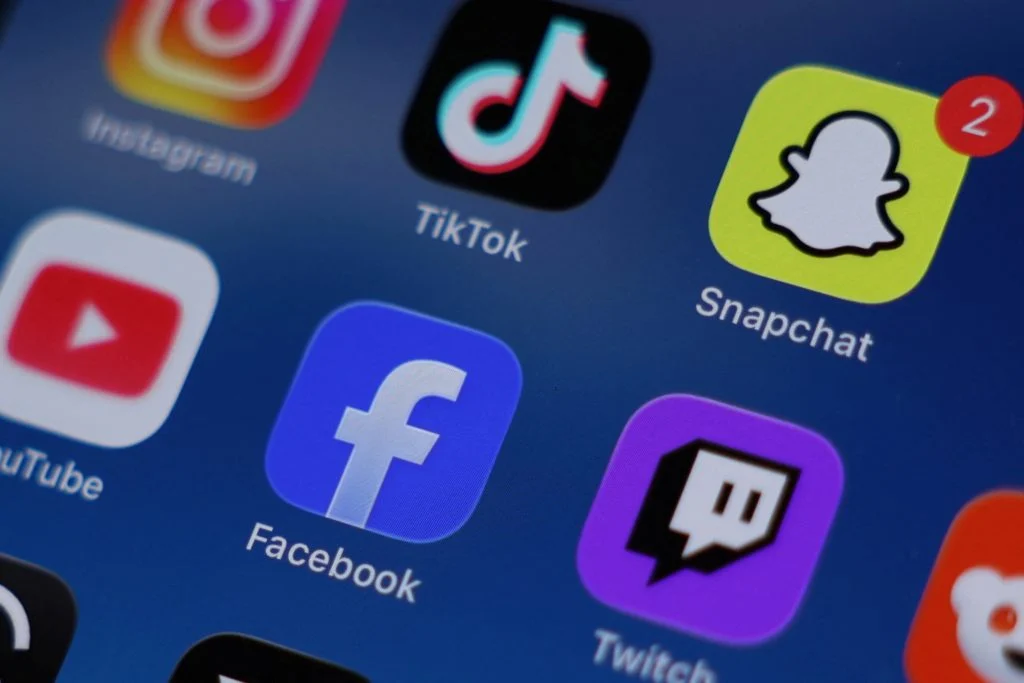
Under the proposed legislation, platforms including TikTok, Snapchat, Instagram, Facebook, and X (formerly Twitter) will be legally required to implement robust age-verification systems to prevent users under 16 from maintaining accounts. Failure to comply will result in significant financial penalties, with the government signaling that these fines will be high enough to serve as a meaningful deterrent for the world’s largest tech conglomerates.
Prime Minister Starmer, speaking with the urgency of both a national leader and a father of two teenagers, framed the policy as a moral imperative. "Every parent can see it with their own eyes. Social media is making children unhappy," Starmer said. "I’ve heard first-hand from families crying out for change, and we will do right by them."
He drew a pointed comparison to public health regulation, noting that while teenagers may still seek out prohibited goods like alcohol, the state has a duty to maintain legal barriers that discourage such behavior and penalize those who facilitate it.
A Global Chronology of the Social Media Crackdown
The U.K.’s announcement follows a turbulent period of shifting public sentiment toward tech giants. The following timeline outlines the evolution of this legislative trend:
- 2023: Australia leads the global conversation, becoming the first nation to formally pass legislation barring children under 16 from holding social media accounts, setting a "gold standard" for regulatory enforcement that many Western nations are now mirroring.
- Early 2024: Mounting evidence from internal company documents and independent psychological studies forces governments in Canada, Brazil, and Indonesia to announce similar age-based restrictions.
- Mid-2024: A wave of litigation, most notably in the United States, culminates in landmark rulings—such as the Supreme Court’s refusal to hear Meta’s appeal in the Vermont social media addiction case—validating the argument that platforms can be held accountable for the design of their algorithms.
- September 2025: The U.K. government concludes a massive public consultation period, receiving over 116,000 responses. With 90% of respondents favoring a ban, Prime Minister Starmer formalizes the U.K.’s commitment to implement the most stringent regulatory framework to date.
Supporting Data and Public Sentiment
The impetus for this radical policy change stems from a confluence of data and grassroots activism. The U.K. government’s consultation period revealed a populace increasingly alarmed by the correlation between heavy social media usage and rising rates of adolescent anxiety, depression, and self-harm.
Campaigners, such as Ellen Roome—whose 14-year-old son tragically took his own life following exposure to harmful online challenges—have become the face of the movement. For families like the Roomes, the legislation is not merely a bureaucratic hurdle but a long-overdue act of justice. "The tech companies, if they wanted to make changes, they could have done that by now. They’ve chosen not to do it," Roome stated. "We need to come down hard on them."
Conversely, the tech industry has presented its own data, arguing that "curated" social media environments provide essential social connections for marginalized or isolated youth. Meta and YouTube representatives argue that by forcing children off mainstream platforms, the government is inadvertently driving them toward "darker," unmonitored corners of the internet where parental supervision is non-existent.
Official Responses: Industry Pushback vs. Government Resolve
The reaction from Silicon Valley has been swift and critical. A spokesperson for YouTube remarked that blanket bans strip children of the "beneficial experiences" found in supervised online communities. Meta echoed this sentiment, asserting that their existing "teen account" features already provide necessary guardrails—such as limited contact settings and curated content feeds—which are superior to the "blunt instrument" of an age-based ban.
Beyond the corporate offices of California, the policy has also ruffled diplomatic feathers. The U.S. Embassy in London issued a cautionary statement, warning that such regulations should remain "narrowly tailored" to avoid infringing upon free speech protections and to prevent placing an undue, discriminatory burden on American technology companies.
Prime Minister Starmer remains unfazed by the potential for international friction. As he prepares to meet with world leaders, including U.S. President Donald Trump, at the G7 summit in France, he signaled his intention to advocate for a global standard. "I honestly think that across world leaders, there has always been a recognition that leaders have to take steps to protect children," Starmer noted. "I don’t think that’s controversial."
Implications: The Technical and Social Challenges Ahead
While the political intent is clear, the practical execution remains a subject of intense debate among experts.
Technical Feasibility:
Prof. Jon Crowcroft of the University of Cambridge, an expert in communications systems, has expressed skepticism regarding the efficacy of age verification. He notes that the technical challenge of policing devices is "close to impossible," and that such measures often rely on third-party services that create new privacy risks for users. The Open Rights Group has similarly raised alarms regarding the potential for massive data harvesting by the very age-verification firms tasked with enforcing the law.
The "Algorithm" Argument:
Critics like Kate Edwards, representing the Molly Rose Foundation, argue that the ban misses the forest for the trees. "It does nothing to address the actual problem itself—the harmful algorithms, the harmful content that is existing on those platforms," she argued. There is a concern that if the government focuses solely on age, platforms will have little incentive to fix the underlying "infinite scroll" mechanics and engagement-driven recommendation engines that many argue are the true drivers of addiction.
Future Regulatory Steps:
The U.K. government has hinted that this is merely the first phase of a broader digital safety strategy. Future measures under consideration include:
- Nightly Curfews: Forcing platforms to lock accounts for users under 18 during sleeping hours.
- Algorithmic Transparency: Requiring companies to submit their recommendation algorithms for government audit.
- AI Regulation: Strict age-gating for AI chatbots designed to simulate romantic or sexual relationships.
- Infinite Scroll Limits: Mandating "breaks" or design changes to prevent the addictive, never-ending nature of current newsfeeds.
Conclusion: A Defining Moment
For the Labour government, currently facing internal pressure and questions regarding its leadership, the social media ban represents a high-stakes gamble. By aligning himself with the protection of children, Starmer is attempting to tap into a universal parental anxiety that transcends party lines.
Whether the policy succeeds in curbing the digital malaise affecting the U.K.’s youth, or whether it results in a "cat-and-mouse" game of VPNs and proxy servers, remains to be seen. What is certain, however, is that the era of the "wild west" of the internet is rapidly drawing to a close. As the U.K. moves forward with its plan, the rest of the world will be watching to see if the state can successfully legislate the behavior of the most powerful technology in human history.