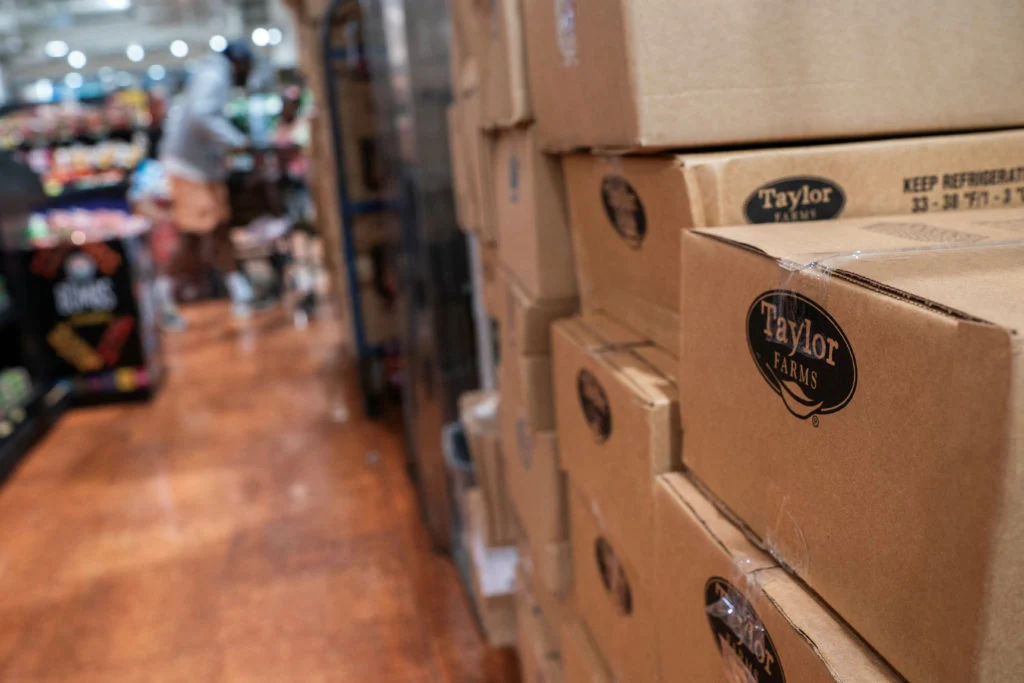
In a significant move that underscores the fragility of the modern agricultural supply chain, Taylor Fresh Foods, the parent company of the prominent produce brand Taylor Farms, has issued a voluntary recall of several prepared food products. The decision comes as a precautionary measure following the discovery that jalapeños used in their products may be contaminated with Salmonella. This recall marks the second time in recent weeks that the company has had to pull products from shelves, highlighting a broader, systemic challenge regarding food safety and oversight within the fresh produce industry.
The recall encompasses a variety of staple grocery items, including guacamole, pico de gallo, and taco dips, all of which feature jalapeños as a primary ingredient. These products, distributed nationwide, were sold at major retailers including Kroger, Stop & Shop, Target, Whole Foods, Trader Joe’s, and Walmart.
The Scope of the Recall: Understanding the Reach
The recall impacts products with a "Best If Used By" date up to and including August 16, 2026. Because Taylor Farms serves as a critical supplier for many of the nation’s largest supermarket chains, the geographical spread of this recall is extensive, affecting consumers across multiple states.
The immediate impetus for this action was an upstream notification: Coast Citrus Distributors, a key supplier to Taylor Fresh Foods, voluntarily recalled fresh jalapeños after identifying a potential Salmonella contamination within their supply chain. Upon receiving this information, Taylor Fresh Foods moved swiftly to pull all affected prepared items from retail shelves to mitigate the risk to public health.
Chronology of Events and Investigative Findings
The current crisis did not emerge in a vacuum. The timeline of events reveals a series of interconnected supply chain vulnerabilities:
- Initial Discovery: Coast Citrus Distributors identified a potential Salmonella contamination linked to a specific grower in Sinaloa, Mexico.
- Notification: Upon notification, Taylor Fresh Foods immediately halted the use of these jalapeños and initiated a voluntary recall of all affected prepared products.
- The Broader Context: This event follows closely on the heels of a separate, unrelated recall initiated by Taylor Farms just weeks prior. In that instance, the company recalled iceberg lettuce sourced from central Mexico due to its potential link to a multistate Cyclospora outbreak.
- Federal Oversight: The Food and Drug Administration (FDA) and the Centers for Disease Control and Prevention (CDC) are currently coordinating with state and local health departments to conduct a thorough investigation into the Salmonella outbreak. Investigators are working to trace the exact pathway of the contaminated produce from the fields in Sinaloa to the processing facilities and, ultimately, to the retail shelves.
Supporting Data and The Nature of the Threat
Salmonella remains one of the most common causes of foodborne illness in the United States. According to the CDC, Salmonella bacteria are estimated to cause approximately 1.35 million infections, 26,500 hospitalizations, and 420 deaths in the United States every year. Most people infected with the bacteria develop diarrhea, fever, and abdominal cramps within six hours to six days after exposure. The illness typically lasts four to seven days, and most people recover without treatment. However, in some cases—particularly among children, the elderly, and those with compromised immune systems—the illness can be severe enough to require hospitalization.
The current outbreak linked to jalapeños is a stark reminder of the risks associated with fresh produce. Unlike processed foods, which often undergo heat treatments that kill pathogens, fresh jalapeños are typically consumed raw, leaving little margin for error if contamination occurs at the farm level. The investigation into the Sinaloa grower is ongoing, as officials seek to determine whether the contamination occurred due to irrigation water quality, improper handling, or environmental factors at the harvest site.
Official Responses and Corporate Responsibility
In an official statement, Taylor Fresh Foods emphasized its commitment to food safety and transparency. "We are working diligently with the FDA and the CDC to ensure that our supply chain is secure," a company spokesperson noted. "As part of our immediate response, we have severed our relationship with the implicated grower in Sinaloa and are currently sourcing our jalapeños from alternative, vetted suppliers who meet our rigorous safety standards."
The company maintains that, at this time, there have been no confirmed reports of illnesses directly linked to their products containing jalapeños. However, they have adopted a "zero-risk" policy, opting to pull products from shelves even in the absence of a confirmed link to a human infection. This proactive stance is designed to maintain consumer trust and ensure that the recall process is as comprehensive as possible.
The FDA has issued a broader advisory for consumers, urging them to check their refrigerators and pantries for the affected products. "If you are in possession of these items, do not consume them," the FDA statement reads. "Even if the product looks or smells normal, it could still harbor the pathogen."
Implications for the Food Industry
The back-to-back recalls experienced by Taylor Farms highlight several critical implications for the food industry at large:
1. The Fragility of Global Supply Chains
Many U.S. produce companies rely heavily on international imports, particularly from Mexico, to ensure year-round availability of fresh goods. While this system has made fresh produce accessible and affordable, it also creates complex supply chain dependencies. When a contamination event occurs at a remote farm, the downstream impact can be massive, affecting dozens of retailers and millions of consumers across thousands of miles.
2. The Need for Enhanced Traceability
The speed with which Taylor Fresh Foods was able to identify and pull affected products is a testament to the advancements in modern traceability. However, the recurring nature of these outbreaks suggests that there is a need for even more granular data. Industry experts are increasingly calling for the implementation of blockchain-based tracking systems that can identify the exact farm, harvest date, and shipment container for every individual product on a store shelf.
3. Consumer Confidence and Market Impact
Food safety recalls have a profound impact on consumer behavior. When a major brand is associated with multiple recalls, there is often a lingering erosion of trust. This, in turn, can lead to shifts in purchasing patterns, with consumers opting for local produce or alternative brands. For Taylor Farms, the challenge will be not only to resolve the current safety concerns but also to launch a robust communication strategy to restore confidence in their quality control processes.
4. Regulatory Pressure
The FDA is likely to face renewed pressure to tighten oversight of imported produce. While the Food Safety Modernization Act (FSMA) has provided the agency with more authority to hold importers accountable, the high frequency of recent outbreaks indicates that more work is needed at the farm-gate level. This may result in stricter import requirements, more frequent inspections of foreign farms, and perhaps new legislation mandating more frequent pathogen testing.
Guidance for Consumers
For the average consumer, the barrage of recall notices can be overwhelming. To stay safe, experts suggest the following steps:
- Check the Label: Carefully examine the "Best If Used By" dates on any guacamole, salsa, or taco dip in your refrigerator. If it falls within the recalled window, return it to the place of purchase for a full refund.
- Discarding Items: If you choose to discard the items yourself, do so in a way that prevents others—or animals—from accessing them. Ensure the packaging is sealed before placing it in the trash.
- Hygiene Practices: Always practice good food hygiene. Wash hands, utensils, and surfaces after handling any raw produce.
- Stay Informed: Consumers can monitor the FDA’s official recall database or sign up for alerts from major retailers.
- Direct Contact: For those who have specific questions regarding this recall, Taylor Fresh Foods has established a dedicated hotline at 855-455-0098, operating Monday through Friday from 8:00 a.m. to 5:00 p.m. PT.
As the investigation continues, the agricultural sector remains on high alert. The intersection of global trade, consumer demand for fresh year-round products, and the ever-present biological reality of pathogens like Salmonella necessitates a constant, vigilant evolution of safety standards. While this recall serves as a cautionary tale, it also reinforces the importance of the collaborative effort between private enterprise and government health agencies in protecting the public supply chain.