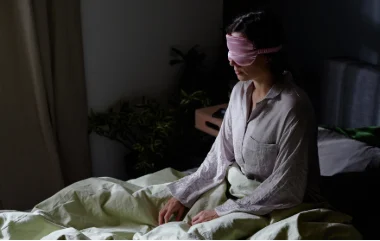





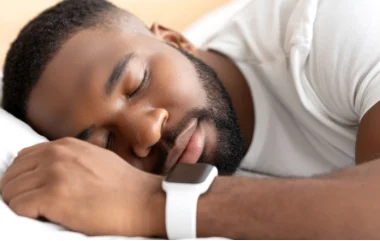
In the digital age, sleep has transformed from a biological necessity into a quantifiable performance metric. As wearable technology becomes increasingly sophisticated, the ritual of "checking one’s stats" upon waking has become as common as brewing morning coffee. However, a recent survey from the American Academy of Sleep Medicine (AASM) reveals a complex reality: while nearly half of American adults are leveraging technology to optimize their rest, the obsession with achieving the "perfect score" is creating a new, paradoxical epidemic of anxiety.
The Main Facts: The Rise of the Quantified Sleeper
Sleep tracking has moved from the fringes of biohacking into the mainstream. Smartwatches, rings, and under-mattress sensors now provide granular data on REM cycles, heart rate variability, and respiratory patterns. According to the 2025 AASM survey, 48% of U.S. adults have utilized some form of sleep-tracking technology.
This widespread adoption signifies a cultural shift: sleep is no longer viewed as "downtime," but as an essential pillar of health, sitting alongside nutrition and exercise. For many, this data-driven approach provides the motivation needed to maintain healthy habits. Yet, the same devices that provide empowerment also serve as a potential source of nocturnal distress. When the pursuit of perfect sleep becomes a primary objective, the psychological pressure can trigger "orthosomnia"—a condition characterized by an unhealthy preoccupation with achieving perfect sleep data.
Chronology of a Trend: From Niche Gadgets to "Sleepmaxxing"
The evolution of sleep tracking mirrors the broader growth of the wellness economy.
- The Early Phase (2010–2015): Sleep tracking began with simple smartphone accelerometers that claimed to detect sleep stages by measuring movement. Accuracy was low, but interest was high.
- The Wearable Revolution (2016–2020): With the mass adoption of fitness trackers, heart rate monitoring became a standard feature, allowing for more reliable assessments of sleep duration and quality.
- The Optimization Era (2021–Present): We have entered the age of "sleepmaxxing." This trend involves an exhaustive, often expensive, effort to maximize sleep quality through rigorous routines, temperature-controlled beds, blue-light blocking eyewear, and advanced biometric monitoring.
As the technology has improved, so too has the user’s emotional investment. What began as a curiosity—"How long did I sleep?"—has evolved into a high-stakes performance audit: "Why did my recovery score drop to 60%?"
Supporting Data: The Gender and Behavioral Divide
The AASM survey highlights distinct demographic trends in how technology influences behavior. Data indicates that 55% of users have actively altered their lifestyle based on the insights provided by their devices. These adjustments—such as setting more consistent wake-up times or eliminating late-night screen exposure—are generally viewed as positive interventions.
However, the usage patterns are not uniform. Men are statistically more likely to use sleep-tracking devices (56%) compared to women (40%). Furthermore, male users are more likely to report changing their behaviors based on the data and are significantly more inclined to invest in high-end consumer sleep products, such as smart pillows, white noise generators, and advanced bedding systems.
The most concerning statistic, however, is the prevalence of sleep-related stress. A staggering 76% of adults report that they have lost sleep specifically because they were worried about their inability to sleep. This creates a feedback loop: the tracker detects a poor night, the user experiences anxiety about the "bad data," and the resulting stress makes the following night’s sleep even more elusive.
The Psychological Implications: The "Orthosomnia" Trap
The phenomenon of orthosomnia is the primary psychological implication of the sleep-tracking boom. The term, coined by researchers in the field of sleep medicine, describes a patient’s excessive concern with the metrics provided by their sleep-tracking device.
When a user perceives their sleep as "broken" because a graph tells them so, they may develop a psychological aversion to the bed. This is the antithesis of Cognitive Behavioral Therapy for Insomnia (CBT-I), which emphasizes building a positive association between the bed and rest. In an orthosomniac state, the bed becomes a site of performance review.
Medical experts note that sleep trackers are not medical-grade diagnostic tools. They offer estimates based on proprietary algorithms, not definitive physiological assessments. When users treat these estimates as medical facts, they risk overreacting to minor fluctuations in sleep architecture that are, in reality, perfectly normal variations.
Official Perspectives: Navigating the Digital Night
Leading sleep organizations, including the AASM, caution that the obsession with "perfect numbers" often obscures the simple, core habits that actually dictate sleep quality. Professional guidelines suggest that sleep hygiene—maintaining a consistent schedule, optimizing the sleep environment, and avoiding stimulants—remains the gold standard for health.
The AASM emphasizes that if technology is used to raise awareness, it can be a net positive. For instance, if a tracker alerts a user that they consistently only get five hours of sleep, it may prompt them to prioritize their schedule. The danger arises when the tracker is used as a judge rather than a tool.
Experts suggest the following framework for a healthier relationship with technology:
- View Data as Trends, Not Truths: Focus on weekly averages rather than nightly scores.
- The 20-Minute Rule: If you are lying in bed worrying about your "sleep score," turn off the device and focus on relaxation techniques.
- Prioritize How You Feel: If you wake up feeling refreshed, your sleep was likely sufficient, regardless of what the app reports.
When to Seek Professional Support
Despite the rise in self-monitoring, technology cannot replace a clinical diagnosis. The survey and subsequent expert commentary suggest that many people use trackers to "self-diagnose" problems that may require a specialist.
If you find that sleep anxiety is persistent, or if you consistently feel fatigued despite "perfect" sleep data, it is time to look beyond the screen. Conditions such as sleep apnea, restless leg syndrome, or chronic insomnia are physiological disorders that cannot be resolved through data optimization alone.
An AASM-accredited sleep center offers a controlled environment where sleep can be monitored by medical professionals using polysomnography—the "gold standard" for identifying underlying issues. These centers provide a clinical context that a wrist-worn gadget simply cannot replicate.
Conclusion: Reclaiming the Rest
The digital tracking of sleep is a reflection of a society that values efficiency, but sleep is a biological process that resists forced optimization. The goal of a healthy sleep routine is not to hit a 100% recovery score; it is to provide the body with the necessary time to repair and restore itself.
As we move forward, the challenge for the modern sleeper will be to harness the benefits of technology without surrendering to its anxieties. By shifting the focus from "sleepmaxxing" to the fundamental principles of sleep hygiene—regularity, environment, and relaxation—we can stop chasing numbers and start chasing the deep, restorative rest that our bodies require.
Ultimately, true health is not measured in percentages on a smartphone screen, but in the sustained vitality we feel when we wake up, ready to meet the day. If the numbers are getting in the way of that feeling, it is time to turn the screen off and prioritize the rest itself.