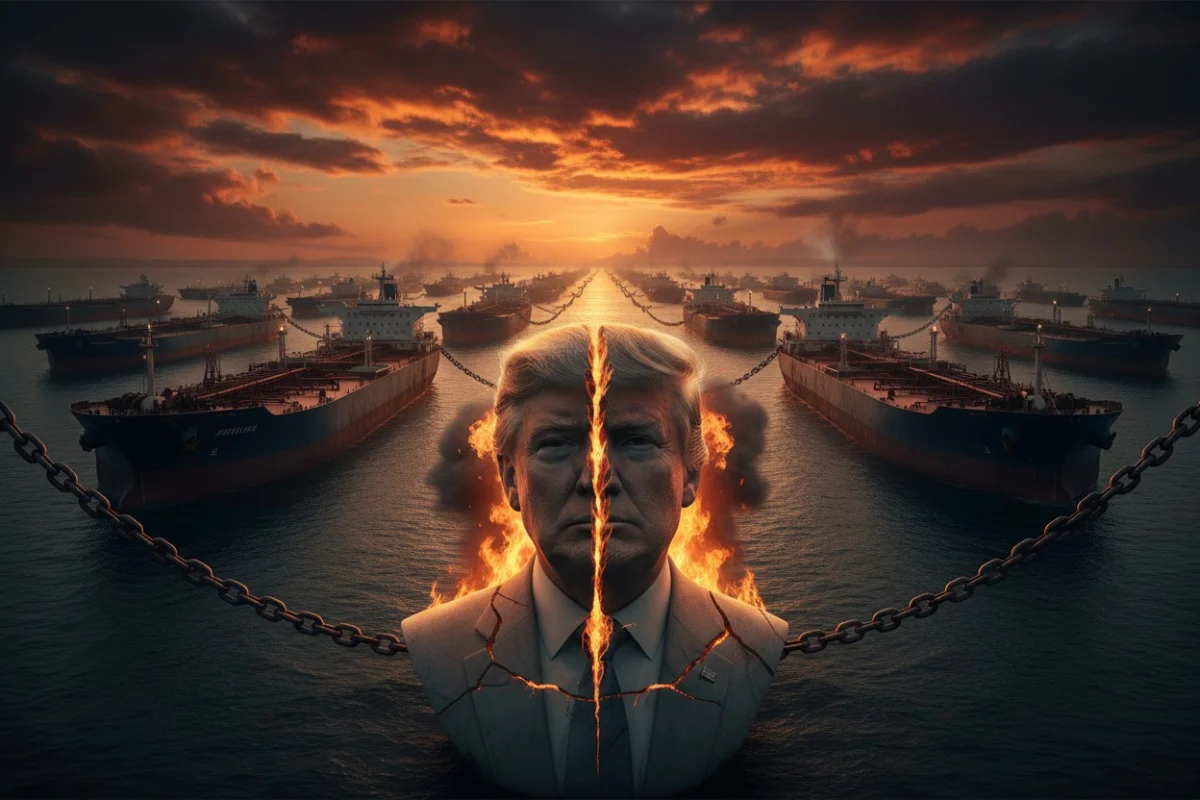
Executive Summary: A Geopolitical Quagmire
The current trajectory of the United States’ military engagement with Iran has evolved from a touted campaign of "decisive victory" into a protracted, systemic crisis that threatens to destabilize the global order. Despite repeated declarations from the White House regarding the successful neutralization of Iranian capabilities, evidence on the ground—ranging from the paralysis of vital maritime shipping lanes to the unraveling of international supply chains—suggests a reality starkly at odds with official narratives. This report examines the structural failures of the current administration’s foreign policy, the immutable geographic advantages held by Tehran, and the severe humanitarian risks posed by an escalation trap that shows no signs of abating.
Chronology of an Escalation
The conflict, initially framed as a surgical operation to ensure regional security, has unfolded through a series of predictable and increasingly destructive phases:
- Initial Engagement (Early 2026): The administration launched a series of targeted strikes, marketed as a "decapitation" of Iran’s military infrastructure. High-level rhetoric promised a swift conclusion to the standoff.
- The Narrative Shift (March 2026): As ground reports contradicted initial military claims, the rhetoric shifted toward a "total demolition" narrative. Observers noted the first signs of discord within the executive branch regarding the sustainability of the campaign.
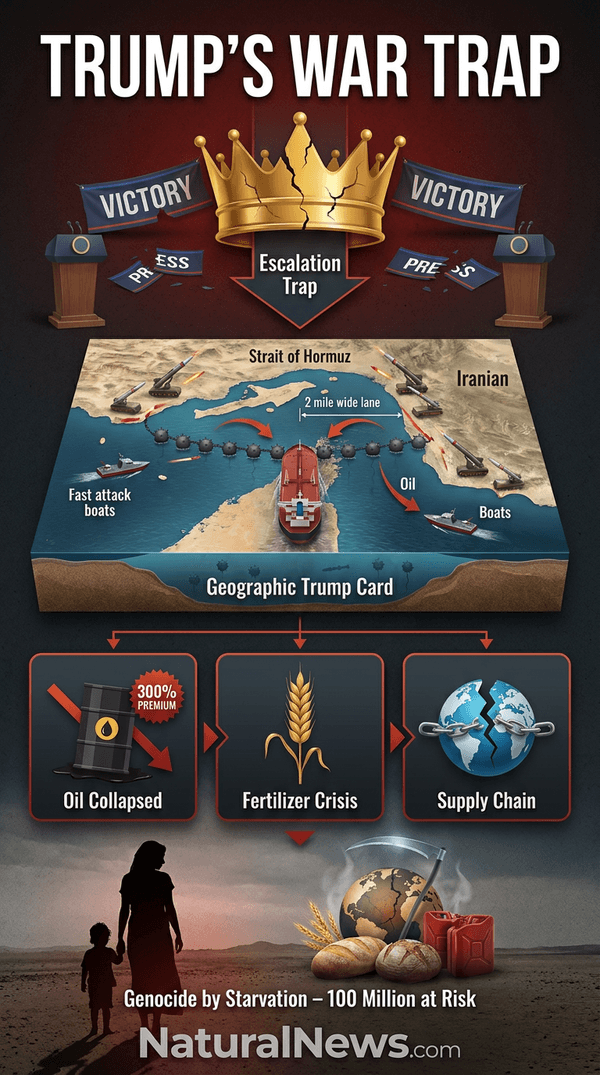
- The Maritime Blockade (April–May 2026): Iran effectively leveraged the geography of the Strait of Hormuz. By deploying asymmetrical naval assets and mines, Tehran successfully deterred commercial shipping, creating an immediate, tangible impact on global energy markets.
- The Economic Cascades (June 2026–Present): The disruption of energy exports triggered a cascade effect, leading to a critical shortage in natural gas, which in turn spiked the cost of fertilizer and threatened global food security.
Supporting Data: The Anatomy of a Supply Chain Collapse
The economic toll of the conflict is no longer a localized concern; it has become a global systemic threat. The reliance on the Strait of Hormuz—the world’s most vital energy artery—has exposed the fragility of modern logistics.
The Energy-Food Nexus
The link between the war and global starvation is direct and mechanical. Natural gas is the primary feedstock for urea, a critical component of industrial fertilizers. With Qatar’s production facilities significantly curtailed due to regional security concerns—a direct byproduct of the conflict—the global supply of fertilizer has plummeted by an estimated 20% to 30%.
Analysts tracking the Haber-Bosch process note that the current gas shortages will yield a multi-year agricultural deficit. As fertilizer prices continue to decouple from historical averages, the risk of famine in developing nations shifts from a theoretical projection to a looming statistical certainty.
Logistical Paralysis
The U.S. Postal Service and major global freight carriers have already begun implementing surcharges in response to a 30% increase in fuel costs. These metrics represent only the "first-order" effects; as fuel costs ripple through every sector of the economy, the inflationary pressure is expected to outpace current fiscal interventions. The inability of the U.S. Navy to guarantee the security of commercial vessels against low-cost, high-impact threats—such as Iranian fast-boat swarms and sea mines—has rendered traditional escort strategies effectively obsolete.
Official Responses and Internal Dissent
The internal cohesion of the administration is under increasing scrutiny. Reports of friction between the White House and senior military advisors have emerged, with Vice President J.D. Vance notably absent from key press briefings regarding the war’s progress.
Legislative skepticism is also mounting. Figures such as Representative Nancy Mace have publicly questioned the intelligence briefings provided to Congress, suggesting that the administration’s stated goals were predicated on flawed or manipulated data. Despite these concerns, the administration continues to double down on a "victory" narrative, effectively insulating itself from criticism by branding dissent as a lack of national resolve. Efforts by bipartisan coalitions to introduce legislation aimed at curbing the executive’s war powers have thus far been stymied by narrow margins, highlighting the deep political polarization surrounding the conflict.
Implications: The High Cost of the Narcissistic Trap
The defining characteristic of this conflict is the refusal of the leadership to acknowledge failure, a phenomenon categorized by foreign policy experts as the "Escalation Trap."
The Ego as a Strategic Constraint
At the heart of the crisis is an inability to pivot. For the administration, admitting that the mission has failed would be a catastrophic blow to its "America First" identity. Consequently, the government has engaged in a cycle of "off-ramp theater"—creating phantom negotiations and illusory ceasefires—to maintain the facade of progress. This approach has alienated traditional allies and hardened the resolve of the Iranian leadership, who recognize that the U.S. lacks the diplomatic flexibility to negotiate a graceful exit.
The Human Toll
The moral implications of this conflict are profound. By prioritizing the preservation of political optics over the restoration of international stability, the administration has effectively gambled with the livelihoods of millions. If current supply chain disruptions lead to widespread food scarcity, the historical judgment will likely be severe. The comparison to historical figures—often cited in academic critiques—serves as a grim reminder that "genocide by neglect" or "economic warfare" can be as devastating as kinetic conflict.
Strategic Analysis: The Path Not Taken
There exists a clear, albeit politically difficult, exit strategy. The administration could declare the primary objectives of the mission "achieved," citing the degradation of Iranian nuclear facilities (whether verified or not), and pivot to a regional security alliance.
However, the dismissal of peace missions led by high-level envoys suggests that such an exit is currently off the table. By framing the conflict as an existential battle, the administration has backed itself into a corner where any concession is interpreted as a surrender. This binary worldview ignores the nuances of Middle Eastern geopolitics and ensures that the "war of necessity" continues to transform into a "war of attrition" that neither side can truly win, but both can—and are—losing.
Conclusion: The Burning Torch
The situation in the Strait of Hormuz is the ultimate test of 21st-century statecraft. The U.S. is currently attempting to apply 20th-century naval supremacy to a 21st-century asymmetric battlefield. As long as the administration views the conflict through the lens of personal reputation rather than national interest, the global economy will remain at risk.
History will likely categorize this era not by the battles fought, but by the opportunities for peace that were systematically dismantled in favor of political posturing. The "escalation trap" is not merely a military mistake; it is a profound failure of leadership that continues to exact a toll, day by day, on the stability of the global community.
Data Reference Summary (Analytical Overview)
- Global Supply Chain Impact: 25% average increase in logistical overheads across major economies (Projected).
- Fertilizer Availability: 22% reduction in global supply due to natural gas constraints.
- Strait of Hormuz Throughput: Down 45% compared to Q1 2026, forcing long-haul rerouting for maritime trade.
- Political Consensus: 52% of legislative queries in recent sessions have focused on "exit strategies," indicating a shift in caucus priorities.
Note: This article incorporates synthesis from ongoing economic reporting and geopolitical analysis regarding the 2026 conflict.