Main Facts: A New Frontier in Cardiac Care
Atrial Fibrillation (AFib), the most prevalent form of cardiac arrhythmia, represents a significant global health challenge. Characterized by an irregular and often rapid heart rate, AFib significantly elevates the risk of stroke, heart failure, and other cardiovascular complications. As the medical community shifts its focus toward more precise, less invasive interventions, the landscape of cardiac ablation—the procedure used to scar or destroy heart tissue that causes abnormal electrical signals—is undergoing a technological revolution.
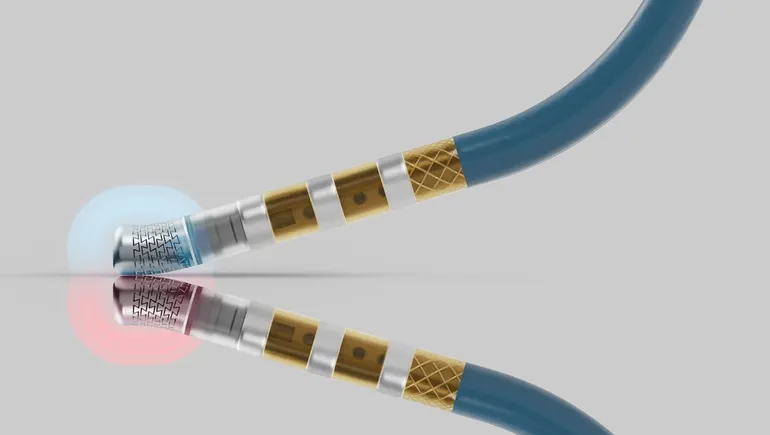
At the forefront of this shift is Abbott, a titan in the medical device sector. The company has recently signaled an aggressive expansion of its electrophysiology (EP) portfolio with the rollout of its TactiFlex Duo ablation catheter, a system designed to complement its next-generation Volt Pulsed Field Ablation (PFA) platform. These advancements represent a pivotal moment in how clinicians treat paroxysmal AFib, moving away from traditional Radiofrequency (RF) ablation toward more refined, tissue-specific technologies.
The core objective of these new systems is to balance efficacy with safety. While RF ablation has been the standard for decades, utilizing thermal energy to create lesions, the emergence of PFA offers a more nuanced approach. By using non-thermal electrical pulses to target and "scare" the tissue, PFA minimizes the risk of collateral damage to surrounding structures, such as the esophagus or phrenic nerve. Abbott’s recent regulatory milestones, including the 2025 U.S. and European approvals for the Volt system, underscore the company’s commitment to reclaiming market share in a highly competitive space dominated by giants like Boston Scientific, Medtronic, and Johnson & Johnson.
Chronology: The Path to Innovation
The journey toward the current iteration of Abbott’s EP portfolio is rooted in years of iterative research and development.
- 2020–2022: The PFA Paradigm Shift. During this period, the medical device industry began to pivot decisively toward Pulsed Field Ablation. Clinical trials suggested that PFA could provide faster, safer, and more durable results than traditional heat-based ablation.
- May 2025: Volt Enters the Market. Abbott secured major regulatory wins for its Volt PFA catheter. The approval in both the U.S. and Europe marked a significant strategic pivot, allowing Abbott to compete directly with early movers in the PFA space.
- Mid-2025: The July Earnings Call. Abbott leadership, including executives addressing shareholders, emphasized that the combination of the Volt system and the TactiFlex catheter would be the twin engines driving the company’s electrophysiology growth. The messaging was clear: Abbott aimed to grow sales at a rate significantly outpacing the broader market.
- Late 2025: TactiFlex Duo Deployment. Following the success of the Volt rollout, Abbott announced the imminent launch of the TactiFlex Duo, with clinical cases scheduled to commence across the United States in the coming weeks. This marks the latest chapter in the company’s effort to offer a "best-of-both-worlds" solution to electrophysiologists.
Supporting Data: Why the Shift Matters
The clinical necessity for these devices is underscored by the epidemiology of AFib. Patients with paroxysmal AFib—where episodes come and go—are prime candidates for early intervention. If left untreated, these episodes tend to become more frequent and sustained, increasing the probability of long-term cardiovascular damage and the formation of blood clots.
Technological comparisons between RF ablation and PFA are central to current clinical discourse:
- RF Ablation: Historically, this method has been the gold standard. It uses catheters to deliver heat energy to the heart wall. While effective, the thermal nature of the process requires high levels of operator skill to ensure lesions are continuous and deep enough to block abnormal signals without burning adjacent, healthy tissue.
- PFA Technology: Unlike RF, PFA uses high-energy electrical fields to create lesions through a process known as electroporation. This process is inherently tissue-selective. Because it does not rely on heat, the risks associated with thermal injury are dramatically reduced.
Market data indicates that the global electrophysiology market is expanding rapidly, driven by an aging population and higher rates of AFib diagnosis. Abbott’s strategy is designed to capture this growth by providing a modular approach. By offering both the Volt (for its PFA capabilities) and the TactiFlex (for advanced contact-force RF ablation), Abbott is providing physicians with a comprehensive "toolbox" rather than a one-size-fits-all solution.
Official Responses and Strategic Outlook
During the July 2025 earnings call, Abbott leadership outlined a roadmap for market dominance. The company’s strategy centers on the integration of its proprietary technologies into hospital workflows.
"We are seeing a transformative shift in electrophysiology," noted a company spokesperson. "The Volt PFA system is not just an incremental improvement; it is a fundamental shift in how we approach the heart’s electrical system. When you pair that with the proven efficacy of our TactiFlex catheter, we believe we have the most robust portfolio in the industry."
Industry analysts have noted that Abbott’s challenge lies in "market displacement." Hospitals and EP labs are often deeply entrenched in their existing device ecosystems. However, the superior safety profile of PFA—specifically the ability to reduce procedural complications—is proving to be a compelling argument for hospital administrators and cardiac surgeons alike.
Abbott’s focus remains on "regaining share." By providing physicians with the ability to switch between PFA and RF modalities depending on the patient’s specific anatomy and the complexity of the arrhythmia, Abbott is positioning itself as the partner of choice for comprehensive cardiac centers.
Implications: The Future of Electrophysiology
The ripple effects of these advancements extend far beyond the operating room. As PFA becomes more widely adopted, the implications for patient care are profound:
1. Reduced Procedural Risks
The primary clinical advantage of PFA is its safety. By limiting the collateral damage to surrounding tissues, the risk of life-altering complications—such as esophageal fistulas or nerve damage—is significantly diminished. This leads to shorter recovery times and a more optimistic outlook for patients.
2. Market Dynamics and Competition
The competition between Boston Scientific, Medtronic, Johnson & Johnson, and Abbott is driving down the cost of innovation while increasing the pace of technological updates. As these companies fight for market share, the ultimate beneficiary is the patient, who gains access to more sophisticated and safer medical devices.
3. Workflow Efficiency
For healthcare systems, the "Volt + TactiFlex" strategy represents an opportunity for increased throughput. Faster, safer procedures mean that hospitals can treat more patients in a given week, effectively reducing the backlog for AFib treatment. The efficiency of the new catheter designs, which allow for easier navigation and more precise energy delivery, translates directly to time saved in the cath lab.
4. A Personalized Approach to Arrhythmia
Looking ahead, the future of electrophysiology is moving toward "tailored therapy." Not every patient is a candidate for PFA, and not every patient requires traditional RF. By maintaining a diverse portfolio, Abbott is ensuring that they can cater to the specific needs of a patient’s condition. As mapping technology continues to improve, the integration of these devices with advanced AI-driven diagnostics will likely be the next frontier in cardiac care.
Conclusion
Abbott’s recent trajectory, marked by the successful launch of the Volt system and the upcoming deployment of the TactiFlex Duo, signals a period of aggressive growth and technological leadership. By addressing the critical safety concerns associated with traditional ablation while embracing the potential of PFA, the company is not only seeking to grow its bottom line but is actively shaping the standard of care for millions of patients living with AFib. As the company begins its rollout of the TactiFlex Duo in the coming weeks, the medical community will be watching closely to see how these tools perform in real-world clinical settings, potentially setting a new benchmark for success in the field of electrophysiology.