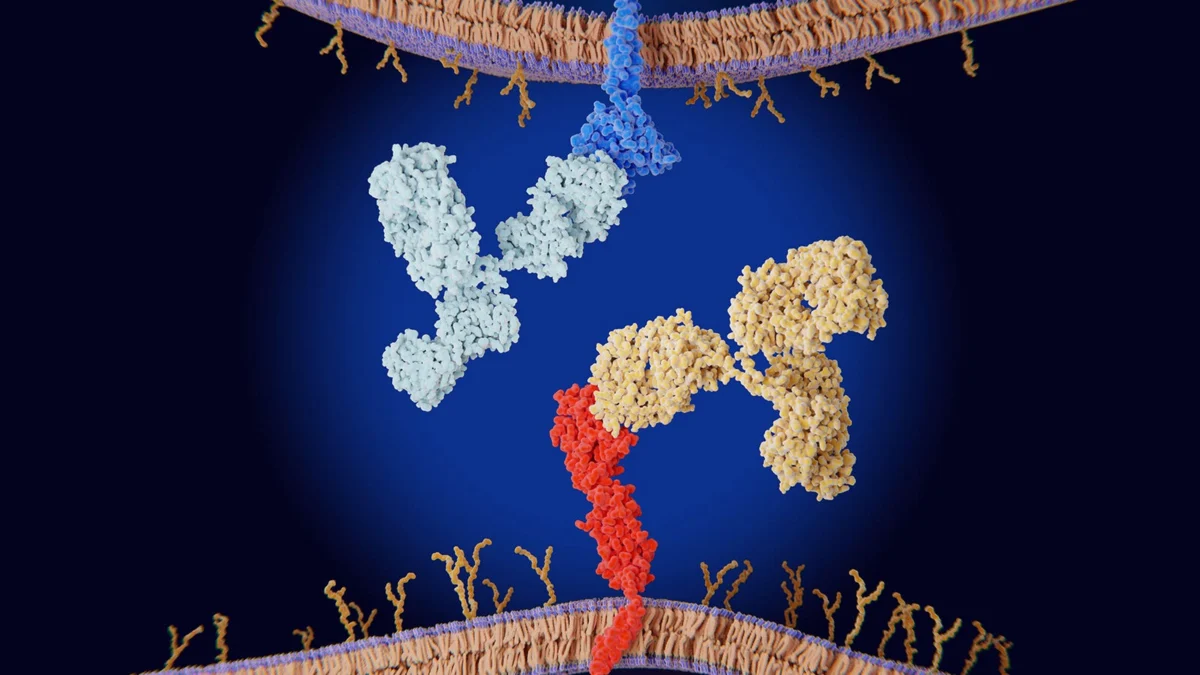
The rise of immune checkpoint inhibitors (ICIs) has fundamentally altered the landscape of oncology, providing durable, life-extending responses for patients with previously intractable malignancies such as metastatic melanoma and non-small cell lung cancer. By "releasing the brakes" on the immune system, these therapies allow T-cells to identify and destroy tumor cells. However, this same mechanism of action carries a significant "collateral cost": the immune system, once unleashed, may lose its precision, turning its firepower against healthy host tissues.
These complications, known as immune-related adverse events (IRAEs), are increasingly being managed by rheumatologists, who are uniquely positioned to treat the resulting systemic inflammation. A new study published in ACR Open Rheumatology by Dr. Didzis Gailis and his colleagues at Ludwig-Maximilians-Universität in Munich suggests that the rheumatologic complications arising from ICI therapy are more severe, more persistent, and more resistant to standard treatments than previously documented in general oncological literature.
Main Facts: A Disconnect Between Severity and Standard Care
The study, which analyzed 60 cases from the ERIN registry—a specialized database tracking patients referred to rheumatologists for ICI-induced complications—paints a sobering picture of clinical management. While earlier studies often suggested that corticosteroids were sufficient to manage most IRAEs, the Munich data indicates that for patients severe enough to warrant a rheumatology referral, the clinical reality is significantly more complex.
Nearly 60% of the patients in the study failed to achieve resolution with steroid monotherapy alone. Furthermore, 32 of the 60 patients (53%) required the introduction of disease-modifying anti-rheumatic drugs (DMARDs), including advanced biologic agents, to control their symptoms.
Perhaps most striking is the high rate of permanent treatment discontinuation. In this cohort, 38% of patients were forced to permanently cease their life-saving cancer immunotherapy due to the severity of their rheumatic side effects. This figure stands in stark contrast to previous literature, which often cited discontinuation rates as low as 15%. This discrepancy, the researchers argue, likely stems from the fact that this study focused specifically on patients who were complex enough to require expert rheumatologic intervention, filtering out milder cases that might resolve with basic supportive care.
Chronology: From Immune Activation to Rheumatologic Crisis
The clinical timeline of these events is highly variable, reflecting the unpredictable nature of immune-related toxicity. In the ERIN registry cohort, the median time from the initiation of ICI therapy to the onset of rheumatic symptoms was 7.2 months, though the range was wide, extending from approximately two months to over a year.
The progression typically follows a trajectory of initial immune priming, followed by the clinical manifestation of systemic inflammation. Among the 60 patients analyzed, the most common clinical phenotype was a polyarthritis that closely mimicked rheumatoid arthritis (RA), accounting for 25 cases. Other common presentations included polymyalgia rheumatica-like symptoms and peripheral spondyloarthritis-like manifestations.
A particularly concerning subset of the cohort involved patients presenting with symptoms resembling axial spondyloarthritis. These patients were notably younger than the rest of the cohort, with a median age of 46. The rapid onset of these axial symptoms—median of 4.8 months—posed a diagnostic challenge. Distinguishing these treatment-induced events from pre-existing degenerative conditions or the systemic impact of the cancer itself remains a significant hurdle in clinical practice. The researchers noted that, without standardized axial imaging and more robust cohorts, clinicians are frequently left to navigate a diagnostic gray area.
Supporting Data: The Anatomy of the ERIN Registry
The ERIN registry, active since 2024 across six German centers, provides a granular look at the real-world management of IRAEs. The cohort was demographically diverse, with a median age of 66 and a male-to-female ratio of 34:26.
Clinical Breakdown:
- Cancer Types: Melanoma (40%), non-small cell lung cancer (15%), and urothelial cancer (12%) were the primary drivers, alongside eight other malignancy types.
- Therapeutic Agents: The majority of patients were treated with blockbuster ICIs including pembrolizumab (Keytruda), nivolumab (Opdivo), or the combination of nivolumab and ipilimumab (Yervoy).
- Severity Grading: While "grade 4" (life-threatening) events were rare, occurring in only two cases, 21 patients (35%) presented with "grade 3" (moderate to severe) symptoms, necessitating significant clinical intervention.
The study also attempted to identify risk factors for "treatment escalation"—the transition from steroids to DMARDs. Interestingly, pre-existing rheumatic disease was negatively associated with the need for escalation, perhaps because these patients and their physicians were already hyper-vigilant and managed flares with more familiarity. Conversely, male sex was identified as a significant risk factor, with men being five times more likely to require escalation to DMARD therapy (OR 5.20, P=0.004).
Official Responses and Clinical Implications
The findings from Dr. Gailis and his team serve as a "call to action" for multidisciplinary cancer care. The researchers emphasized that the current approach to managing rheumatic IRAEs is often reactive rather than proactive.
"There is an urgent need for strategies to sustain cancer immunotherapy despite rheumatic toxicity," the authors stated. This requires a paradigm shift where rheumatologists are integrated into the oncology care team long before a crisis point is reached. Because the oncological response to ICIs has been nothing short of revolutionary, the goal is not to stop the immunotherapy, but to modulate the immune system in a way that allows the cancer treatment to continue while protecting the patient’s joints and tissues.
The study’s findings on therapeutic outcomes were admittedly sobering. Only 20 of the 60 patients achieved full symptom resolution. More than one-third of those treated with DMARDs had to switch medications due to either insufficient efficacy or the development of further adverse effects related to the DMARDs themselves. This indicates that the "second-line" treatment of IRAEs is as precarious as the primary complication.
Limitations and Future Directions
While the study provides vital, high-quality real-world data, it is not without limitations. The authors acknowledge that the registry only captures the "tip of the iceberg"—patients who were referred because their local oncologists or general practitioners found them too difficult to manage. Therefore, the findings cannot be generalized to every patient receiving immunotherapy; many individuals likely experience milder IRAEs that resolve spontaneously or with minimal intervention.
Furthermore, the lack of a universal, standardized definition for "remission" or "severity" in the context of ICI-induced rheumatic disease hampers comparative analysis. The heterogeneous nature of the cancers and the different ICI regimens utilized make it difficult to determine if specific immunotherapy agents are more "rheumatogenic" than others.
As immunotherapy continues to expand into earlier lines of cancer treatment, the population of patients at risk for these chronic rheumatic conditions will grow. Future research must prioritize:
- Standardization: Developing consensus definitions for ICI-related rheumatic severity.
- Predictive Biomarkers: Identifying which patients are at high risk for severe IRAEs before they even begin immunotherapy.
- Refining Guidelines: Moving beyond steroid-heavy protocols toward evidence-based algorithms for the early introduction of biologic DMARDs.
In conclusion, the Munich study underscores that while cancer immunotherapy is a triumph of modern medicine, it is one that requires a sophisticated, multidisciplinary safety net. For the patient, the ability to continue cancer treatment hinges on the ability of the medical community to manage the systemic inflammation that accompanies these potent drugs. As we enter a new era of oncology, the rheumatologist has become an indispensable guardian of the patient’s quality of life.