For decades, the holy grail of footwear engineering has been the pursuit of the perfect equilibrium between weight, energy return, and structural integrity. Reebok, a brand with a storied history in performance athletics, has navigated this complex landscape for years. While the company has toyed with carbon-plate technology since the 1990s, they have often faced the same hurdle that plagued the early days of high-performance racing flats: the "weight penalty."
On October 20, Reebok aims to shatter those limitations with the official release of the SpeedShifter, a full-length carbon-plated running shoe that the company describes as its most significant performance innovation to date. By blending proprietary foam technology with a refined carbon-fiber architecture, Reebok is positioning the SpeedShifter not just as a race-day tool for elites, but as a accessible, high-performance companion for runners of all abilities.
Main Facts: Engineering a New Standard
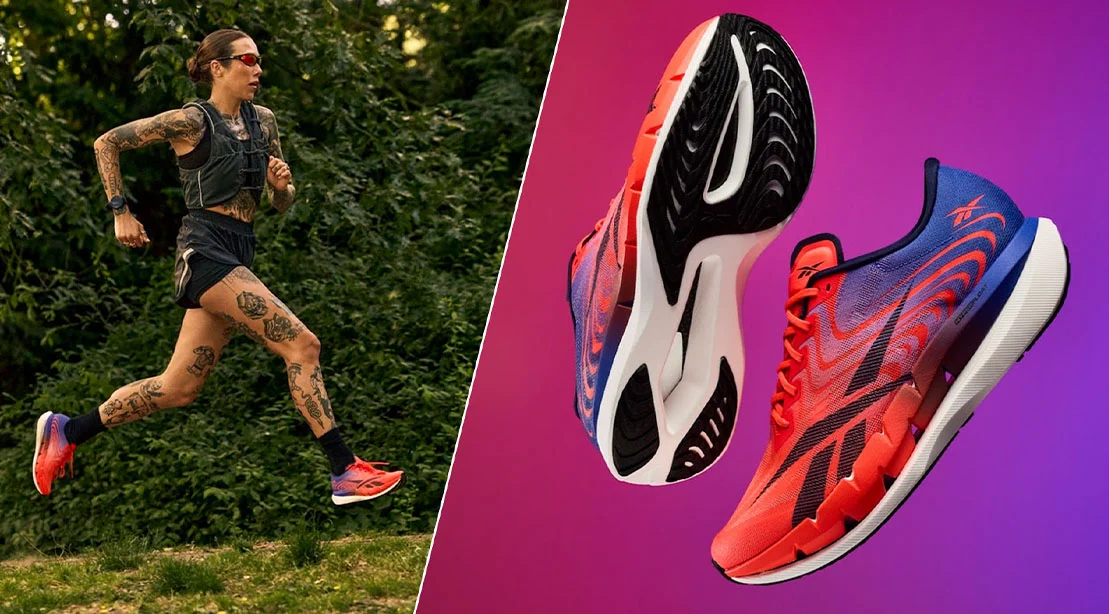
The SpeedShifter is not merely a refinement of previous models; it is a fundamental reimagining of how energy is managed during the gait cycle. Tipping the scales at a remarkably light 7.4 oz (210g), the shoe is designed to defy the common trade-off where increased propulsion typically leads to increased mass.
Key Specifications:
- Release Date: October 20
- Technology: Full-length carbon fiber plate
- Midsole: Dual-density "HyperFloat" foam sandwich
- Weight: 7.4 oz (210g)
- Geometry: Integrated forefoot rocker
- MSRP: $220
- Target Audience: Ranging from marathoners to "ordinary elite" speed trainers.
The core innovation lies in the "HyperFloat" sandwich construction. By placing the carbon plate between two layers of varying-density foam, Reebok engineers have managed to harness the rigidity of carbon fiber while mitigating the harsh, unforgiving ground feel that often accompanies rigid plates.
Chronology: From Graphlite to HyperFloat
To understand the significance of the SpeedShifter, one must look back to the 1990s. During that era, Reebok introduced Graphlite, an innovative carbon-fiber-based construction that was, in many ways, ahead of its time.
"Graphlite was a shoe that was far ahead of its time," says Chris Stone, Reebok’s Director of Running. "However, the limitations of the era meant we were constantly fighting the weight of the materials. We knew the potential was there, but the manufacturing processes and the quality of the surrounding foams hadn’t quite caught up to the ambition of the plate."
In the intervening decades, the landscape of running footwear shifted dramatically. The industry saw a "foam war," where companies competed to create the most resilient, bouncy materials possible. Reebok’s challenge was to synthesize its heritage in carbon-fiber engineering with modern foam advancements. The development of the SpeedShifter was a multi-year iteration process, involving extensive rounds of testing to perfect the density of the HyperFloat foam. It represents the culmination of thirty years of institutional knowledge, finally bridging the gap between the experimental tech of the 90s and the high-output requirements of the modern marathon runner.
Supporting Data: The Physics of the "Sandwich"
The "sandwich" architecture is where the SpeedShifter distinguishes itself from the crowded carbon-plated market. According to Stone, the structural design serves two distinct purposes:
- The Upper Layer (Soft): Engineered for impact absorption and comfort. When the foot lands, this layer compresses to dampen the shock, providing a soft landing without sacrificing the energy needed for the next phase.
- The Lower Layer (Firm): Designed for stability and structural integrity. This provides a platform for the carbon plate to operate, ensuring that the energy return is directed forward rather than dissipated in lateral movement.
The Carbon Plate Mechanics
The plate itself is designed with a high flex modulus, meaning that when it is bent during the toe-off phase, it snaps back to its original shape with significant force. This "snap-back" effect is the engine of the shoe, driving the runner forward and reducing the muscular effort required to maintain high speeds.
The integration of a forefoot rocker further enhances this efficiency. By curving the sole, the shoe encourages a smooth, rapid transition from heel-strike or mid-foot strike to toe-off, effectively reducing the time spent on the ground—a metric that is critical for long-distance efficiency.
Official Responses: Insights from Chris Stone
In an exclusive discussion with M&F, Chris Stone emphasized that the SpeedShifter was designed with a specific philosophy in mind: the "Ordinary Elite."
"There is a misconception in the industry that high-performance gear should only be built for the narrow, slight feet of professional athletes," Stone explains. "We wanted to build something that respects the mechanics of a wide range of runners. The SpeedShifter has a more generous toe box volume compared to many other carbon-plated racers on the market. We believe that fit is the ultimate catalyst for technology. If the shoe doesn’t fit your foot correctly, the carbon plate cannot do its job effectively."
Stone also highlighted the real-world validation of the product. "We had a wear-tester who loved the prototype so much that he took it into a marathon without any hesitation. He walked away with a new personal record (PR). That kind of feedback—where the athlete feels faster and more comfortable—is the ultimate proof of concept for our team."
Implications: The Future of Reebok Running
The release of the SpeedShifter signals a pivot for Reebok. While the brand has long held a strong presence in fitness and training, the SpeedShifter is a direct challenge to the premium racing segment dominated by other major manufacturers.
Accessibility in Performance
At $220, the shoe is priced competitively with other top-tier carbon-plated racers, yet it offers a unique selling proposition: it is not exclusively for the 2:10 marathoner. By focusing on stability and a more inclusive fit, Reebok is inviting a wider demographic to experience the benefits of plate technology. This has implications for the average club runner who may have previously found carbon-plated shoes too unstable or too narrow to use for daily speed sessions.
The "Flow State"
Stone notes that the primary goal for the user is reaching a "flow state"—the mental and physical synergy where the shoe becomes an extension of the runner. "When you remove the distraction of discomfort, and you add the physical boost of energy return, you allow the runner to focus entirely on their stride and their breathing. That is where speed is found."
Environmental and Performance Longevity
Beyond the plate, the shoe features a durable rubber grip that suggests a level of longevity not always seen in racing flats. By ensuring the shoe can handle varied road conditions, Reebok is acknowledging that most runners need a shoe that can withstand the rigors of training cycles, not just a single race day.
Conclusion
The SpeedShifter is more than just a new product launch; it is a statement of intent. By refining the "sandwich" foam construction and doubling down on a more inclusive, high-performance fit, Reebok has addressed the weight and comfort issues that have historically challenged carbon-plated designs.
As of October 20, runners will have the chance to test these claims for themselves. With two distinct colorways and a design that balances the delicate act of being lightweight yet stable, the SpeedShifter stands as a testament to the idea that innovation is not about adding more to a shoe, but about finding the right recipe to make everything work in harmony. Whether you are chasing a marathon PR or simply looking to find your flow state during a Tuesday tempo run, Reebok’s latest offering is engineered to help you shift into a higher gear.
For those ready to experience the next chapter of Reebok’s running evolution, the journey begins at the intersection of comfort and speed.
For more information on the SpeedShifter or to view the latest collection, visit Reebok’s official website.