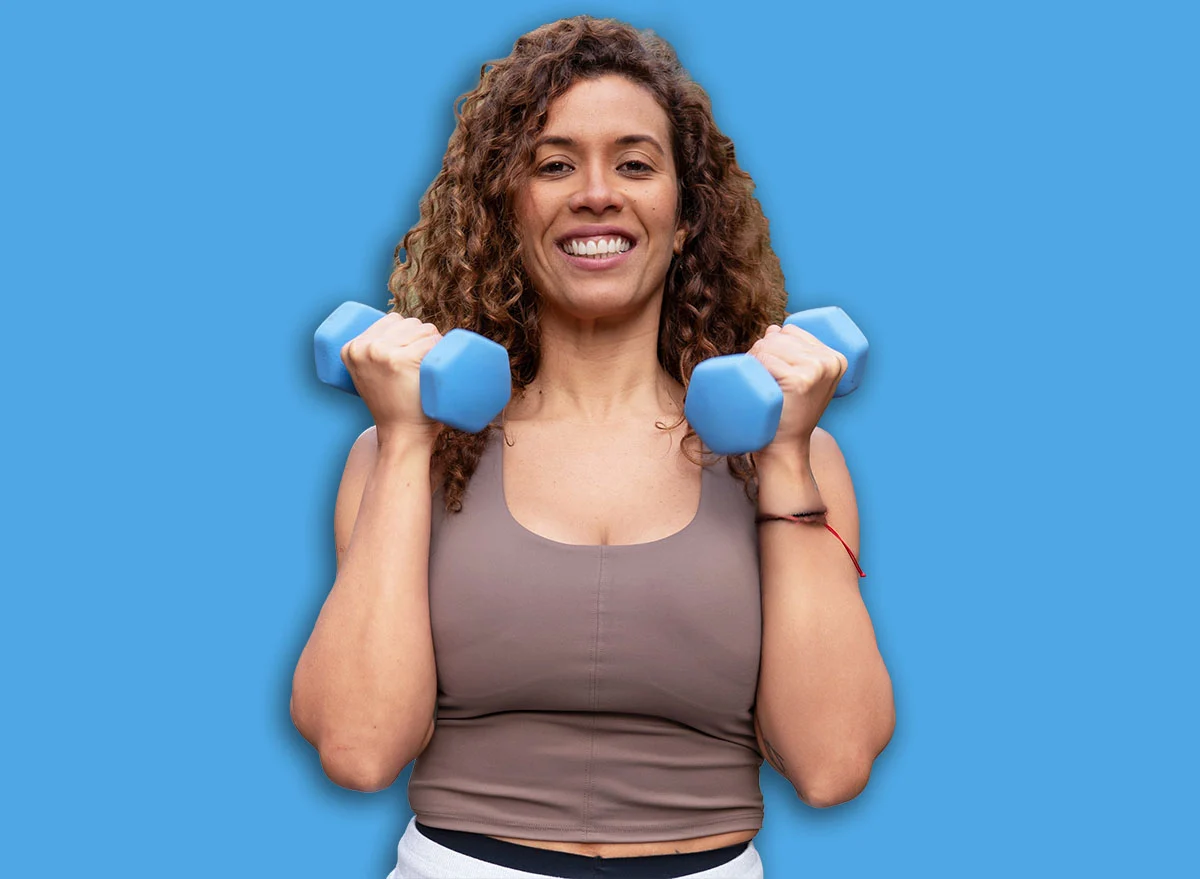
As we cross the threshold into our mid-fifties and beyond, the conversation around fitness often shifts toward cardiovascular health and mobility. While walking, cycling, and yoga remain cornerstones of a healthy lifestyle, a critical component is frequently overlooked: functional arm strength. Maintaining the ability to lift, pull, and push is not merely an aesthetic goal—it is the bedrock of sustained independence.
According to Roger Montenegro, CSCS, head coach and owner of Made Possible Personal Training in St. Pete, Florida, the biological clock does not have to dictate a decline in physical capability. By incorporating specific, trainer-approved resistance movements into your daily routine, you can combat natural muscle loss and ensure that your golden years are spent in control of your environment, rather than dependent on others for basic tasks.
The Biological Reality: Why We Lose Strength
To understand the necessity of targeted training, we must first address the physiological process of sarcopenia—the age-related loss of muscle mass and strength. Starting around age 45, the body begins to shed muscle tissue at a faster rate if it is not stimulated by resistance.
"A lot of people stay active, but they stop challenging their muscles," Montenegro explains. "Strength declines when we’re not asking our body to produce force regularly. On top of that, we naturally lose muscle mass as we age if we don’t train against resistance. So, even if someone is walking or staying busy, they’re not necessarily maintaining strength. For the most part, people walk or bike to stay active, but they forget that that doesn’t keep their arm muscles active."
The implications of this decline are profound. Simple daily tasks—carrying heavy grocery bags, putting away laundry, reaching for items on high shelves, or even getting dressed—become increasingly difficult. For those who enjoy active hobbies like golf or pickleball, a lack of upper-body strength can lead to decreased performance and, more importantly, a higher risk of injury.
Five Pillars of Functional Arm Strength
Montenegro suggests that you don’t necessarily need a high-end gym membership or complex machinery to reclaim your strength. In fact, he argues that compound movements—exercises that engage multiple muscle groups simultaneously—often provide better functional carryover than isolated machine work.
1. The Pushup: The Ultimate Upper-Body Foundation
The pushup is the gold standard for upper-body development. It engages the chest, shoulders, and triceps while simultaneously demanding core stability.
- Why it matters: It mimics the natural motion of pushing yourself up from a chair or floor, a critical movement for fall prevention and mobility.
- Modification: If a standard floor pushup is too strenuous, begin with incline pushups against a sturdy countertop or wall to build foundational strength before progressing to the floor.
2. The Row: Correcting the "Slouch"
Many of us spend our lives reaching forward, which leads to rounded shoulders and weakened back muscles. Rowing motions are essential for pulling the shoulders back and strengthening the biceps and lats.
- Why it matters: Strong back muscles are the secret to good posture. When you perform a row, you are training your body to pull objects toward you, which is essential for opening heavy doors or pulling luggage.
- Execution: Whether using a resistance band or a light dumbbell, focus on squeezing your shoulder blades together at the peak of the movement to maximize muscle fiber recruitment.
3. The Overhead Press: Reaching for Longevity
As we age, our ability to reach overhead is one of the first movements to become restricted. The overhead press strengthens the shoulders and triceps, ensuring you can maintain the functional range of motion required to reach cabinets or perform overhead tasks.
- Why it matters: This movement builds shoulder girdle stability, protecting the joint from the common aches and pains associated with sedentary living.
4. The Farmer’s Carry: Strength in Motion
Perhaps the most "functional" of all exercises, the Farmer’s Carry involves simply walking while holding weights in your hands.
- Why it matters: It builds grip strength, forearm endurance, and core rigidity. This is the exact movement required to carry groceries from the car to the kitchen. By training this movement, you improve your ability to handle "real-world" loads safely.
- Tip: Keep your posture tall, shoulders back, and core braced. Walk with purpose and control.
5. Bicep Curls: The Utility Muscles
While often dismissed as an "aesthetic" exercise, the biceps are vital for everyday life. They are responsible for the flexion of the elbow, which is used every time you lift a box, carry a bag, or pick up a grandchild.
- Why it matters: Keeping the biceps strong prevents elbow strain and ensures that your arms can handle the weight of daily life without fatigue.
Supporting Data: The Science of Resistance Training
The medical community largely agrees with Montenegro’s assessment. Studies published in the Journal of Gerontology have consistently shown that resistance training in older adults not only increases muscle mass but also improves bone density and metabolic rate.
When you train against resistance, you trigger a process called hypertrophy. Even at age 60 or 70, the body remains responsive to stimulus. By placing "load" on the muscles, you signal to your nervous system that these tissues are necessary, effectively stalling the atrophy that would otherwise occur. This, in turn, supports the metabolism, as muscle tissue is more metabolically active than fat tissue.
Implications for Daily Independence
The goal of this training is simple: autonomy. When you invest time in your physical structure, you are buying insurance for your future self.
- Fall Prevention: Strong arms and a strong core allow you to catch yourself if you trip or stabilize your body when you lose balance.
- Metabolic Health: Maintaining muscle mass helps regulate blood sugar levels, reducing the risk of type 2 diabetes.
- Psychological Well-being: There is an undeniable boost in confidence that comes from feeling physically capable. Knowing you can handle your own bags or perform home maintenance tasks without assistance contributes to a higher quality of life and reduced anxiety about aging.
Conclusion: The Time to Start is Now
As Roger Montenegro aptly puts it, "Dedicating some time to your arms and giving them some love will help you stay independent for the rest of your life."
You do not need to overhaul your entire life overnight. Start by integrating these five movements into your schedule two to three times per week. Focus on form over weight, and consistency over intensity. By choosing to challenge your body today, you are ensuring that you remain the architect of your own lifestyle for years to come. Whether you are 55 or 85, your muscles are waiting for the signal to grow—all you have to do is provide the resistance.