




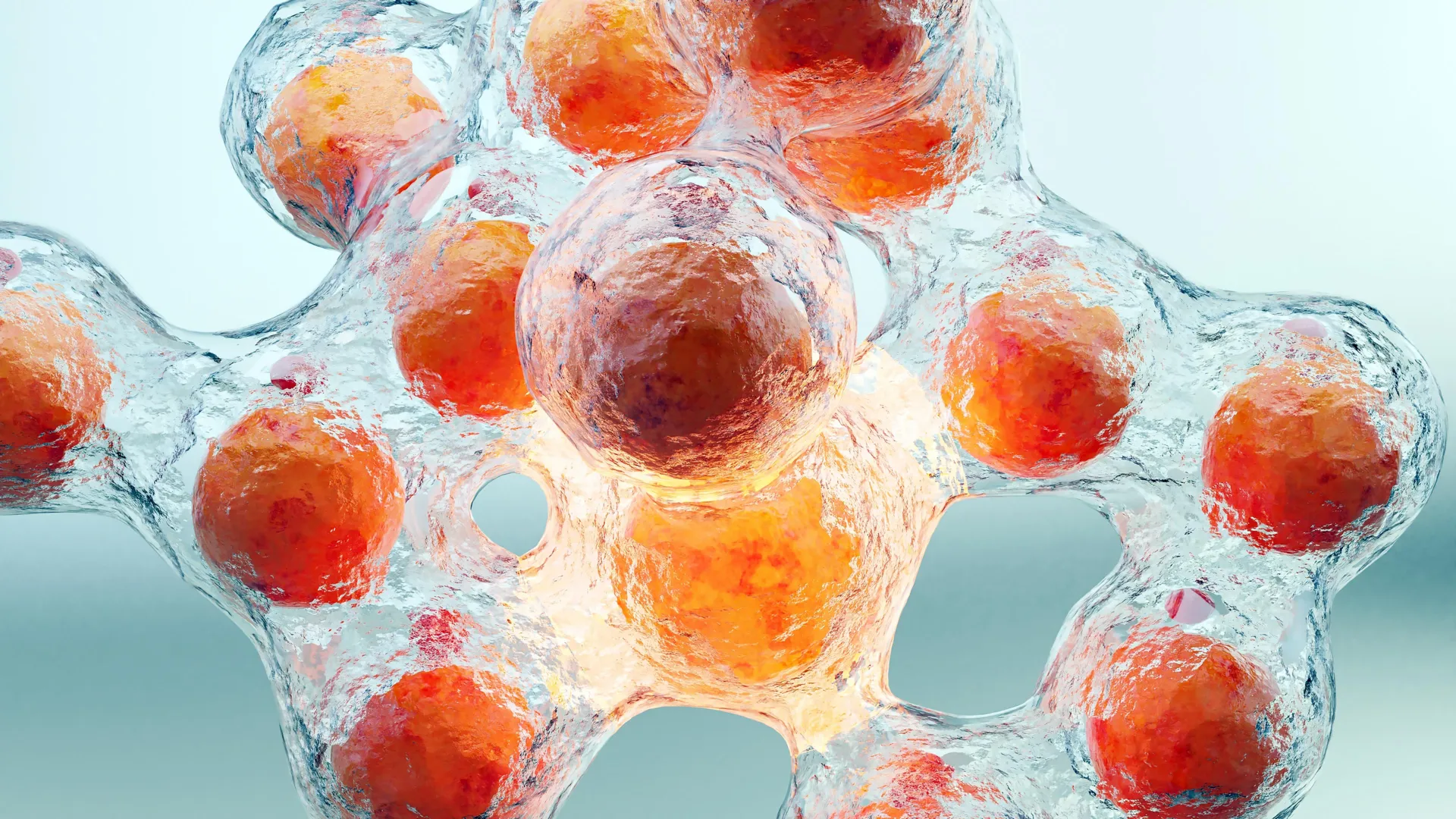
In the rapidly evolving landscape of metabolic medicine, a groundbreaking experimental injection is challenging the status quo of obesity treatment. Known as CBL-514, this novel pharmaceutical agent does not simply suppress appetite or modulate hormonal signals like current blockbuster drugs; instead, it initiates a targeted biological process of cellular self-destruction within the body’s fat stores. Recent clinical trial results, presented at the annual meeting of the European Association for the Study of Diabetes (EASD) in Milan, Italy, have unveiled the drug’s potential to significantly reduce both superficial and deep-seated abdominal fat, offering a potential paradigm shift in how clinicians approach weight management and the mitigation of metabolic disease.
Main Facts: A New Mechanism for Fat Reduction
The fundamental difference between CBL-514 and existing pharmacotherapies lies in its mechanism of action. While traditional weight-loss medications, such as GLP-1 receptor agonists (e.g., Ozempic, Wegovy, and Zepbound), focus on regulating caloric intake and energy balance, CBL-514 is a cytolytic agent. It is designed to induce apoptosis—the body’s natural process of programmed cell death—specifically within adipocytes, or fat-storing cells.
By targeting these cells for elimination, the drug seeks to physically reduce the body’s capacity to store fat. Unlike lipolysis, where fat is merely emptied from the cell, the destruction of the adipocyte itself represents a more permanent structural change. Importantly, the drug has demonstrated a selective affinity for fat tissue, leaving surrounding muscle, skin, and vascular structures largely unaffected, according to early trial data.
The Chronology of Development and Trials
The development of CBL-514 by Caliway Biopharmaceuticals, based in New Taipei City, Taiwan, has progressed through rigorous phase 2 testing, moving from preclinical animal models to human clinical trials. The journey began with foundational studies that confirmed the drug’s efficacy in reducing both subcutaneous fat—the “pinchable” layer beneath the skin—and the more dangerous visceral fat that surrounds internal organs.
In the human phase 2 trials, identified as CBL-0204 and CBL-0205, researchers analyzed a cohort of participants with a BMI range of 22–30 kg/m². The administration protocol involved injections into the lower abdomen every three weeks, continuing for up to 12 weeks. The trial structure was adaptive; the dosage and frequency were calibrated based on the participant’s initial fat volume, with treatment concluding once fat thickness reached a predetermined, lower threshold.
Following the final injections, participants underwent comprehensive MRI scans at four-week and eight-to-12-week intervals. This longitudinal data collection allowed researchers to move beyond speculative outcomes and provide concrete evidence regarding the sustained reduction of fat volume post-treatment.
Supporting Data: Quantifying the Impact on Visceral Fat
The data emerging from the phase 2 trials provide a compelling case for the efficacy of CBL-514. When looking at the subgroup of 41 participants—23 receiving the active drug and 18 receiving a placebo—the disparity in results was statistically significant.
The Subcutaneous Impact
In terms of subcutaneous fat, the results were highly favorable. At the eight-week follow-up marker, 69.6% of those in the CBL-514 group had achieved a reduction of at least 150 mL of subcutaneous fat volume. In stark contrast, none of the participants in the placebo group met this metric.
The Visceral Breakthrough
Perhaps more critical from a medical standpoint was the reduction in visceral adipose tissue (VAT). Visceral fat is not merely an energy reserve; it is a metabolically active organ that releases inflammatory markers, contributing to insulin resistance, type 2 diabetes, and cardiovascular disease.
The baseline average visceral fat volume for the CBL-514 group was 563.85 mL. Four weeks post-treatment, this had decreased by 12.01%. Conversely, the placebo group experienced an average increase of 5.68% during the same timeframe. By the eight-to-12-week follow-up, the CBL-514 group maintained a 10.45% reduction from baseline, while the placebo group saw an increase of 11.76%, resulting in a massive 22.21 percentage point difference between the two cohorts. These findings suggest that the metabolic "reset" initiated by the injections holds its effect even after the active treatment phase has concluded.
Official Responses and Expert Perspective
The scientific community has taken a measured but optimistic view of these developments. Dr. W. Timothy Garvey, a prominent researcher from the University of Alabama at Birmingham, has been instrumental in evaluating the clinical implications of the CBL-514 data.
"This is a highly innovative approach to obesity pharmacotherapy that has produced some remarkable results in early human trials," Dr. Garvey stated during the EASD presentation. He emphasized that while the cosmetic benefits of a flatter stomach are obvious, the true clinical value lies in the reduction of VAT. "It is the reduction in body weight, loss of visceral fat and the improvements in blood pressure, cholesterol and the like that should be associated with this that will be important for health."
Furthermore, Caliway Biopharmaceuticals has underscored the drug’s safety profile, noting that throughout the phase 2 trials, the drug was generally well-tolerated. Reported side effects were limited to localized reactions at the injection site, such as mild to moderate pain, swelling, and redness, with no serious adverse events reported by trial participants.
Implications for Weight Management and Metabolic Health
The potential implications of CBL-514 are twofold: it serves as a stand-alone treatment for localized fat reduction and as a potential "maintenance" tool for those already undergoing weight-loss therapy.
Addressing the Post-GLP-1 Regain
One of the most persistent challenges in modern obesity medicine is the "rebound effect." Patients who discontinue GLP-1 receptor agonists often struggle to maintain their weight loss, frequently regaining much of the lost mass. Researchers are investigating whether the apoptotic effect of CBL-514 could act as a structural insurance policy. By destroying fat cells, the body may have a reduced capacity to regain fat mass, potentially stabilizing the patient’s weight after they transition off of traditional weight-loss medications.
Preclinical trials in animal models have already provided a proof-of-concept: rats treated with a combination of tirzepatide (a popular GLP-1/GIP agonist) and CBL-514 showed superior weight-loss outcomes compared to those on tirzepatide alone. More importantly, when the medications were stopped, the combination-treated subjects showed a significantly slower and lower rate of weight regain.
A Non-Surgical Alternative
Traditionally, the only way to physically remove fat cells has been through invasive surgical procedures like liposuction or abdominoplasty. These surgeries come with significant downtime, surgical risks, and costs. CBL-514 represents a non-invasive, pharmacological alternative that can target both the superficial fat layers and the deep, medically dangerous visceral fat that is typically unreachable via standard cosmetic surgery.
Future Outlook: The Path to Phase 3 Trials
As the medical community looks toward the future, the focus shifts to the upcoming phase 3 clinical trials. Recruitment for these large-scale, randomized, placebo-controlled studies is already underway. These trials are designed to confirm the safety and efficacy of CBL-514 across a much broader and more diverse patient population.
The researchers intend to answer several lingering questions:
- Long-term Efficacy: Can the reduction in fat cell count lead to durable metabolic improvements over several years?
- Standardization: Can the dosing protocol be further optimized to ensure consistent results across different body types?
- Synergy: Can clinical human trials replicate the animal studies showing that CBL-514 effectively prevents weight regain when paired with GLP-1 RAs?
If the phase 3 data confirm the early promises of the phase 2 trials, the landscape of obesity management could change forever. Rather than relying solely on appetite-suppressing chemicals that must be taken indefinitely, clinicians may soon have access to a tool that provides a structural, semi-permanent solution to fat accumulation.
The potential for CBL-514 to reduce the global burden of metabolic diseases—such as type 2 diabetes and hypertension—by addressing the root cause of systemic inflammation (visceral fat) is immense. By moving from a model of "fat storage management" to "fat cell elimination," medicine is entering a new frontier. While caution remains necessary until the phase 3 results are published, the initial evidence suggests that we are witnessing the birth of a sophisticated, targeted, and potentially life-saving intervention for one of the most pressing health crises of the 21st century.
As the industry awaits the end-of-year data from the current trials, the message remains clear: the fight against obesity is moving beyond the scale and into the very architecture of human adipose tissue. Through the lens of innovation and rigorous clinical scrutiny, CBL-514 stands at the forefront of this transformation.