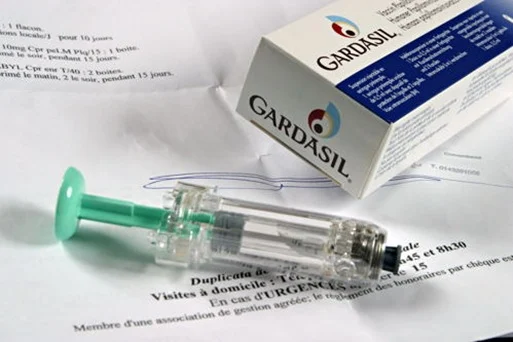
In a resolution that marks the quiet end to a tumultuous decade of litigation, Jennifer Robi, a California woman who alleged she was left permanently disabled by Merck’s Gardasil HPV vaccine, has reached a confidential settlement with the pharmaceutical giant. The move, finalized in February 2026, concludes a landmark case that served as a catalyst for unprecedented public scrutiny into the internal workings of one of the world’s most powerful vaccine manufacturers.
For years, the case of Robi v. Merck stood at the intersection of medical science, corporate accountability, and the volatile political landscape surrounding vaccine policy. By traversing the complex, often impenetrable federal vaccine injury compensation system and successfully entering the civil court arena, Robi’s legal battle did more than seek damages; it unlocked thousands of internal Merck documents, exposing a narrative of potential data suppression and regulatory friction that continues to reverberate through the pharmaceutical industry.
The Case: A Life Altered and a Decade of Legal Struggle
Jennifer Robi was once a vibrant high school athlete in Pasadena, California, with a future defined by physical activity and promise. In 2010 and 2011, at age 16, she received three doses of Merck’s Gardasil vaccine. According to her lawsuit, filed in the Los Angeles Superior Court in July 2016, the aftermath was catastrophic. Robi alleged that the vaccine triggered a series of debilitating health issues that eventually left her confined to a wheelchair.
The lawsuit was a David-versus-Goliath endeavor. To bring her case to trial, Robi had to navigate the National Vaccine Injury Compensation Program (NVICP)—a federal “no-fault” system designed to compensate those injured by vaccines while shielding manufacturers from traditional tort litigation. After exhausting the requirements of this federal pathway, Robi’s legal team successfully argued for the right to pursue civil litigation in state court, a rare achievement that transformed her case into a focal point for national debate.
Following years of discovery, depositions, and procedural skirmishes, the case was poised for a high-stakes trial. However, after a stalled trial in early 2025 and a preceding settlement involving Kaiser Foundation Hospitals in January of that same year, the proceedings reached a tipping point. In February 2026, attorneys for Robi filed papers with Judge Elaine Lu requesting the case be permanently dismissed with prejudice, confirming a settlement had been reached. While the financial terms remain sealed, the impact of the discovery process—which brought to light a trove of internal documentation—is permanent.
Chronology of a Legal Crusade
The trajectory of the Gardasil litigation is marked by strategic shifts and persistent legal maneuvering:
- 2010–2011: Jennifer Robi receives three doses of the Gardasil HPV vaccine.
- July 2016: Robi files a civil lawsuit against Merck in Los Angeles Superior Court, alleging the vaccine caused her permanent disability.
- 2022: Federal Judge Robert Conrad, overseeing multidistrict litigation (MDL) involving over 200 similar cases in North Carolina, selects 16 "bellwether" cases to test the strength of the arguments against Merck.
- January 2025: A settlement is reached between plaintiffs and Kaiser Foundation Hospitals; a civil trial regarding Robi’s case begins in Los Angeles but is quickly suspended.
- 2025: A federal judge rules that Merck holds immunity from liability for certain federal claims, a decision that sparks immediate appeals and complicates the path for other litigants.
- February 2026: Robi v. Merck is dismissed with prejudice following a confidential settlement, concluding the decade-long battle.
Supporting Data: Allegations of Suppressed Information
The core of the legal offensive against Merck rests on the testimony and analyses of medical researchers who reviewed thousands of internal documents produced during the discovery phase. Among the most prominent figures were Dr. Peter C. Gøtzsche, a specialist in clinical research design, and biochemist Dr. Lucija Tomljenović.
The expert reports commissioned for the trial painted a damning portrait of the clinical trial process for Gardasil. The plaintiffs alleged that Merck systematically minimized reports of adverse events and designed trials in a manner that obscured the long-term risks associated with the vaccine.
Key allegations drawn from these documents include:
- Selection Bias: Claims that trial participants were not fully representative of the general population, thereby undercounting the potential for serious autoimmune or neurological complications.
- Inadequate Placebo Controls: Critics argue that the use of aluminum-containing placebos in certain trials masked the true safety profile of the vaccine’s active ingredients.
- Regulatory Capture: Allegations that Merck’s relationship with regulatory agencies—specifically the FDA—resulted in a relaxed oversight process where the manufacturer’s own internal findings were accepted without sufficient independent verification.
- Suppression of Adverse Signals: Evidence suggesting that early reports of "Gardasil-induced" illnesses were misclassified or ignored to maintain the product’s safety narrative.
Official Responses and the Corporate Stance
Merck has consistently maintained that the Gardasil vaccine is safe, effective, and a vital tool in preventing HPV-related cancers. Throughout the litigation, the company has characterized the lawsuits as meritless, arguing that the medical consensus overwhelmingly supports the vaccine’s efficacy.
In response to the settlement, Merck representatives have generally declined to discuss specific terms, citing confidentiality agreements. However, the company has historically emphasized that its vaccine development processes adhere to rigorous international standards. From Merck’s perspective, the litigation represents an attempt to undermine public trust in essential public health infrastructure.
Conversely, advocates such as Children’s Health Defense (CHD), led by CEO Mary Holland, view the outcome as a significant, albeit incomplete, victory. Holland has publicly lauded the courage of plaintiffs like Robi, stating, "It was disappointing that the federal judge overseeing the national Gardasil litigation nonetheless erroneously ruled that Merck was immune from liability." She argues that the documents now in the public domain are "gold mines" that will empower future legal actions and force a more transparent conversation about vaccine safety.
The Broader Implications: A Shifting Legal and Political Landscape
The Robi case does not exist in a vacuum; it is part of a larger, global shift in how pharmaceutical companies are held accountable. The rise of vaccine skepticism, compounded by the political mobilization of individuals like Robert F. Kennedy Jr.—who served on Robi’s legal team until early 2025—has turned vaccine injury litigation into a highly visible political issue.
1. The Challenge to Federal Immunity
The 2025 ruling in North Carolina granting Merck immunity for certain claims is currently under appeal. The outcome of this appeal will likely dictate whether the hundreds of pending cases in the MDL will have a viable path to trial. If the appellate court overturns the immunity ruling, it could open the floodgates for thousands of new claims.
2. The Power of Public Disclosure
Even if the settlement prevents a public jury verdict, the "discovery" of internal documents has irrevocably changed the landscape. These documents are now part of the public record, allowing attorneys in other jurisdictions to bypass years of discovery and immediately leverage the evidence to build their cases. The transparency gained here is seen by many legal analysts as the most significant outcome of the last ten years.
3. Regulatory Accountability
The case has forced a critical look at the "regulatory capture" theory. If plaintiffs can prove that regulators were misled by manipulated data, the pressure on the FDA and other international bodies to adopt more stringent, independent review protocols for future vaccines will become nearly impossible to ignore.
4. The Economic Impact
While the settlement amount remains unknown, the cumulative effect of legal costs, settlements, and the plummeting sales of Gardasil in certain markets indicates that the cost of defending these products is rising. This financial pressure may force manufacturers to prioritize transparency over the aggressive marketing strategies that were common in the early 2010s.
The Road Ahead: Transparency as the New Frontier
As Jennifer Robi’s case closes, the broader war for pharmaceutical accountability continues. The federal appeals process remains the next major hurdle, and the documents exposed during the discovery phase will remain a central fixture in the legal briefs of the future.
For the medical community, the challenge lies in reconciling these legal findings with the broader public health imperative to prevent cancer. For the pharmaceutical industry, the era of unquestioned trust is clearly over. The legacy of Robi v. Merck is not found in the final, confidential check issued to the plaintiff, but in the precedent set: that even the largest pharmaceutical entities can be forced into the light of a civil courtroom. The story of Gardasil is far from over, and for those who believe in corporate accountability, the most significant chapters may yet be written.