










In the landscape of modern health and wellness, the “no pain, no gain” mantra—a philosophy that dominated gym culture for decades—is rapidly yielding to a more nuanced, sustainable paradigm. Low-impact training, once relegated to rehabilitation clinics and senior centers, has surged to the forefront of the global fitness industry. From elite athletes incorporating recovery-focused cycling to corporate wellness programs emphasizing joint-friendly movement, low-impact exercise is no longer a “soft” alternative; it is the new gold standard for long-term health.
The Shift Toward Sustainability: Main Facts
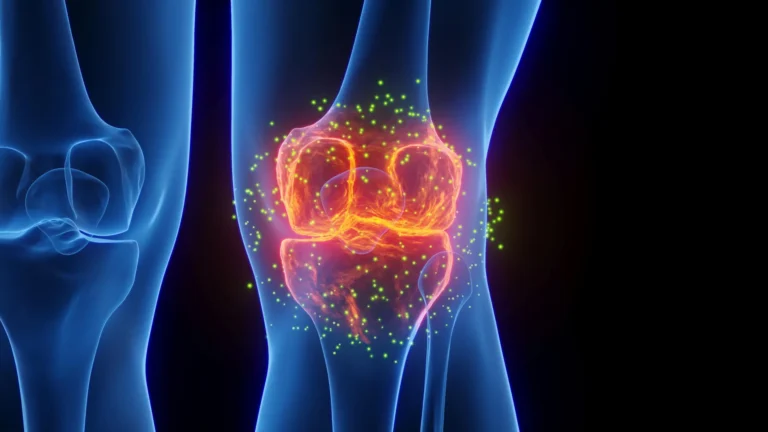
At its core, low-impact training refers to physical activities that minimize the repetitive stress and high-velocity impact forces placed on the skeletal system, particularly the knees, hips, and ankles. Common modalities—such as swimming, rowing, cycling, walking, and low-impact interval training (LIIT)—are now being integrated into professional programming for a broader demographic than ever before.
The primary driver of this shift is a fundamental change in the definition of "intensity." Historically, fitness enthusiasts equated physiological progress with high-impact activities like plyometrics or heavy sprinting. However, recent data suggests that high-impact exercise, while effective for bone density in specific populations, often carries a high "attrition cost." By shifting the focus toward sustainability, trainers are finding that clients can maintain higher levels of consistency. Consistency, as the bedrock of health, ultimately yields superior physiological outcomes compared to sporadic, high-intensity bouts interrupted by overuse injuries.
A Chronological Evolution of Fitness Philosophies
To understand the current dominance of low-impact training, one must look at the historical trajectory of exercise science:
- The 1980s and 90s: The High-Impact Era: This period was defined by the aerobics craze and high-impact step classes. The focus was on caloric burn through rapid, vertical movement. Injury rates during this era were high, often leading to early burnout among the general population.
- The Early 2000s: The Rise of HIIT: High-Intensity Interval Training (HIIT) entered the mainstream, promising maximum results in minimum time. While scientifically sound for metabolic conditioning, the repetitive nature of these protocols began to reveal significant risks of joint degradation and connective tissue strain.
- 2015–2020: The Recovery Awareness Period: As wearable technology allowed individuals to track heart rate variability and recovery metrics, the fitness community began to recognize the necessity of "active recovery." Low-impact modalities began to be used as tools for blood flow and inflammation management rather than just rehabilitation.
- 2021–Present: The Longevity Paradigm: Following the global health shifts of the early 2020s, the focus moved away from aesthetic goals toward functional longevity. The current era, as documented in the Fitness Journal (2026, Issue 7), emphasizes "sustainable participation"—the ability to train for decades rather than months.
Supporting Data: The Case for Low-Impact Consistency
The transition toward low-impact movement is not merely a trend; it is supported by rigorous research into exercise physiology. According to the 2025 study by Piercy, Troiano, and Ballard, titled “Sustainable exercise participation and the role of low-impact physical activity across the lifespan,” there is a direct correlation between the avoidance of repetitive high-impact stress and the continuation of physical activity into the seventh and eighth decades of life.
The American College of Sports Medicine (ACSM), in their 2025 publication Exercise Programming Trends: Low-Impact Training and Long-Term Adherence, highlights several key findings:
- Adherence Rates: Participants in low-impact programs report a 35% higher adherence rate over a 12-month period compared to those engaged in high-impact programs.
- Fatigue Management: Low-impact interval training (LIIT) allows for higher frequency of training sessions per week because the central nervous system (CNS) fatigue is significantly lower than that induced by high-impact HIIT.
- Injury Prevention: Longitudinal studies suggest that replacing 50% of high-impact loading with low-impact alternatives results in a 40% reduction in soft tissue and joint-related consultations.
These figures underscore a critical reality: the most effective workout is the one a client can actually perform without interruption. By removing the "joint barrier," fitness professionals are lowering the psychological and physical hurdles that often lead to quitting.
Official Responses and Industry Perspectives
The professional fitness community has responded to these trends with a significant overhaul of certification programs. Leading trainers and physical therapists are now advocating for a "load management" approach.
"We are moving away from the idea that exercise must feel like a battle," notes Dr. Elena Vance, a consultant for the ACSM. "When we program for a client, we are looking at a 20-year horizon. If a client is doing high-impact jump training three times a week at age 30, they may be looking at knee replacements by age 50. By introducing swimming, rowing, or cycling, we provide the cardiovascular stimulus required for heart health without the mechanical tax on the cartilage."
Moreover, the boutique fitness industry has pivoted. Studios that once focused exclusively on explosive movements are now incorporating "Low-Impact Sculpt" and "Fluid Motion" classes. These sessions utilize bands, body weight, and water-based resistance to challenge muscles without the impact force that characterizes traditional plyometric routines.
Implications for the Future of Wellness
The widespread adoption of low-impact training carries profound implications for society at large.
1. The Aging Demographic
As the global population ages, the demand for exercise that accommodates arthritic joints and decreased bone density will explode. Low-impact training allows the aging population to maintain independence, muscle mass, and metabolic health without the fear of injury that often keeps seniors sedentary.
2. Corporate Wellness and Economic Impact
Employers are recognizing that high-intensity, high-risk fitness programs can actually lead to absenteeism due to injury. By promoting low-impact movement—such as walking meetings or standing desk initiatives combined with light cycling—corporations are seeing improvements in employee morale and long-term health outcomes, reducing healthcare premiums associated with chronic musculoskeletal issues.
3. The Psychological Shift
There is a growing psychological movement against the "grind culture" of fitness. The rise of low-impact training encourages an intuitive approach to movement. Instead of forcing the body to perform high-impact maneuvers regardless of daily stress levels or recovery status, individuals are learning to listen to their bodies. This fosters a healthier relationship with physical activity, where exercise is viewed as a form of self-care rather than a punitive measure.
Conclusion: A Balanced Future
The current shift toward low-impact training should not be misinterpreted as a move toward mediocrity. On the contrary, it represents a sophisticated evolution in our understanding of human performance. Elite athletes, weekend warriors, and those just beginning their fitness journeys are all discovering that intensity does not have to be synonymous with impact.
As we look toward the latter half of the decade, the integration of low-impact modalities into standard fitness curriculum will likely become the norm. The Fitness Journal (2026) makes it clear: the future of fitness is not about how hard you can hit the ground, but how long you can keep moving. By prioritizing joint integrity, recovery, and consistency, the fitness industry is finally aligning its methods with the long-term biological needs of the human body.
Ultimately, this movement is about democratizing fitness. By making exercise more accessible, safer, and sustainable, we are ensuring that the benefits of an active lifestyle—improved mental health, metabolic stability, and longevity—are available to everyone, regardless of their current physical condition or athletic background. The "Gentle Revolution" is here, and it is proving that the most sustainable path to strength is one that respects the architecture of the human frame.