In an era defined by rapid technological advancement, constant sensory input, and the relentless pace of modern life, the human body is frequently pushed beyond its physiological limits. As the wellness industry balloons into a multi-billion dollar sector, consumers are inundated with a dizzying array of "detox" trends—from restrictive juice fasts and intermittent fasting to radical dietary overhauls. Yet, amidst the noise of fleeting health fads, one ancient methodology continues to stand as the gold standard of holistic purification: Panchakarma.
Originating from the depths of Ayurvedic tradition, Panchakarma is far more than a simple cleanse. It is a profound, personalized, and scientific approach to biological and spiritual recalibration. As we explore the mechanics of this ancient art, it becomes clear why this time-honored practice remains the ultimate benchmark for those seeking true healing.
The Philosophical Foundations of Ayurveda
Ayurveda, often translated as the "Science of Life," is recognized as one of the oldest healing systems in human history. Its philosophy is rooted in the belief that the individual is not an isolated entity, but a mirror—a microcosm—of the greater macrocosm. As noted by Vasant Lad, BAM&S, MASc, a globally respected authority on the subject, the harmony between the individual and their environment is the fundamental prerequisite for health.
In this paradigm, health is not merely the absence of disease, but the balanced integration of body, mind, and spirit. Every interaction—the food we consume, the stress we endure at work, our interpersonal relationships, and even our exposure to the changing seasons—leaves an energetic and physical imprint on our constitution. When these imprints accumulate to a point of imbalance, they manifest as vikruti, a state of discordance that stands in direct opposition to our natural, healthy baseline, or prakruti.
Two Pillars of Healing
Ayurvedic practitioners categorize healing interventions into two primary branches:
- Shamana (Palliative Support): This involves managing the doshas (biological energies) through lifestyle modifications. It includes diet, daily routine (dinacharya), exercise, yoga, and meditation. It is the maintenance of health on a daily basis.
- Shodhana (Cleansing): This is the domain of Panchakarma. It is a deep-tissue detoxification process designed to clear the srotas (channels) of the body, ensuring the unobstructed flow of prana—the essential life force.
Chronology and Evolution of the Detox Process
While modern detox trends often focus on the digestive tract, Panchakarma operates on a different, more comprehensive scale. Historically, these practices were designed to prepare the body for seasonal transitions.
The Shift from Quick Fixes to Deep Restoration
Many popular wellness retreats offer rapid "recalibration" through fruit or juice fasts. While these can provide a sense of lightness, their impact is largely confined to the gastrointestinal tract, effectively giving the digestive system a temporary holiday.
Panchakarma, by contrast, follows a deliberate, multi-staged chronology:
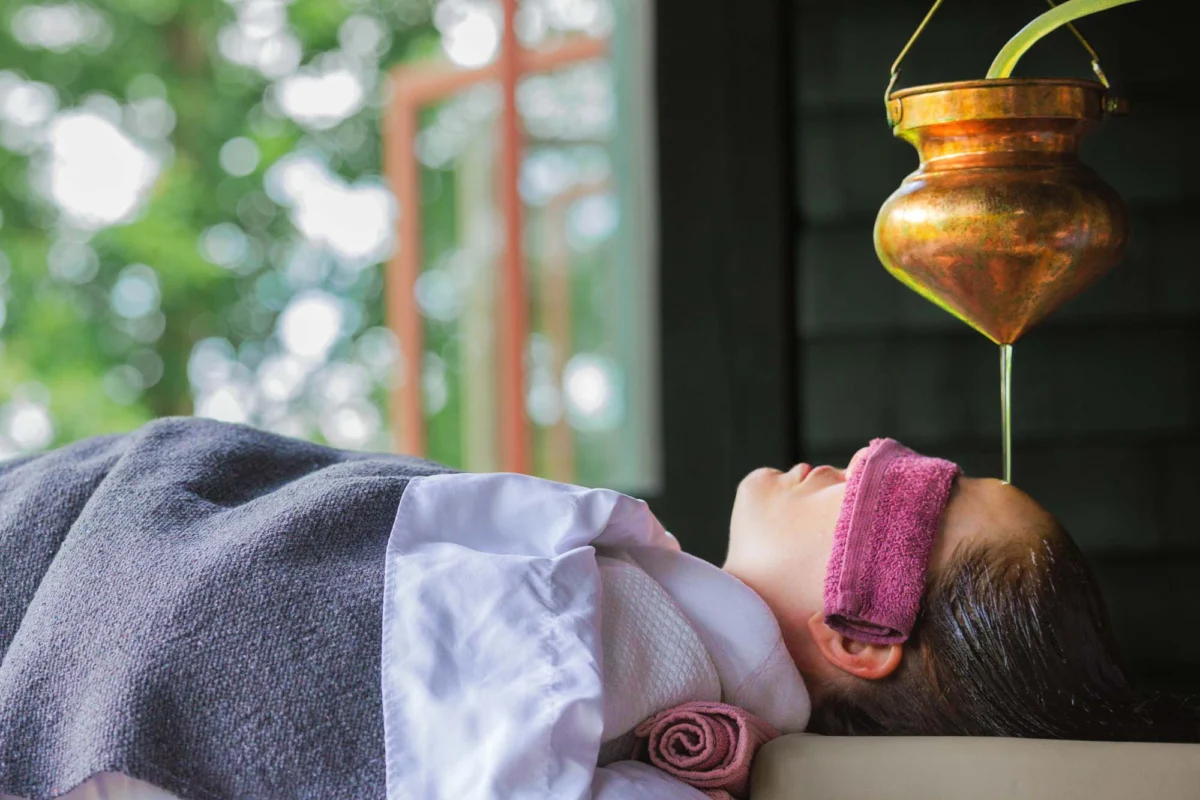
- Preparation (Purvakarma): Before any toxins are removed, the body must be prepared. Through specific diets and oleation (the internal and external application of oils), the body is softened. This is essential, as the goal is to mobilize ama (metabolic waste/toxins) from deep within the connective tissues.
- The Primary Process (Pradhana Karma): Once the ama is loosened and moved back into the digestive tract, specific therapeutic procedures—ranging from abhyanga (medicated oil massage) to bastis (therapeutic enemas) and other specialized treatments—are utilized to draw the toxins out of the body.
- Post-Cleanse (Paschat Karma): This is the period of restoration. After the detoxification, the digestive fire (agni) is reignited, and the body is slowly reintroduced to nourishing, strengthening foods to ensure longevity and vitality.
The Science of Personalized Cleansing
What distinguishes Panchakarma from the "one-size-fits-all" mentality of modern health trends is its radical commitment to individuality. No two human beings share the same genetic makeup, environment, or psychological stress profile. Therefore, no two Panchakarma protocols are identical.
The Role of Ama
Ama is often described as the "sticky" byproduct of poor digestion and environmental accumulation. When this residue settles into deep tissues, it creates blockages that contribute to chronic illness. Panchakarma utilizes the intelligent application of specific herbs and oils, selected based on the client’s unique doshic imbalance, to extract these deep-seated impurities.
Supporting Data and Therapeutic Nuance
Data from clinical observations at institutions like the Vasanta Institute of Ayurveda suggest that participants in properly guided Panchakarma programs often report not only physical improvements—such as improved digestive capacity and skin clarity—but also significant shifts in mental and emotional clarity. By addressing the root cause rather than merely managing symptoms, the protocol allows the body’s innate healing intelligence to reset.
Official Perspectives: The Practitioner’s Responsibility
The administration of Panchakarma is not a task to be undertaken lightly. Because the process is systemic and powerful, it requires the steady hand of a trained Ayurvedic practitioner.
According to experts, a practitioner’s role is three-fold:
- Observational: Daily check-ins are mandatory. A practitioner must monitor how the client is responding to treatments and ensure the ama is being released in a way that is safe and effective for that individual’s constitution.
- Compassionate Presence: True healing occurs in a container of safety. Practitioners are taught to hold the client in their awareness, acting from a place of compassion and grace.
- Educational: A core component of the treatment is teaching the client how to maintain their health once they return to their daily life.
The training at institutions like The Ayurvedic Institute, under the guidance of experts like Vasant Lad, emphasizes that the practitioner must be a lifelong student. "How are we holding a client in our awareness?" is a central question in their training. This shift from "treating" to "supporting" is what elevates Panchakarma from a medical procedure to a transformative experience.
Implications for Future Health
As the global population faces rising rates of lifestyle-related ailments, the implications of integrating Panchakarma into our preventive health strategies are immense.
Seasonal Transition as a Health Strategy
In Ayurveda, it is recommended to cleanse at the turn of each season—typically 2-3 times per year. This keeps the body’s internal environment synchronized with the external world. By staying ahead of doshic imbalances, individuals can prevent the accumulation of ama before it matures into more serious health complications.
The Integration of Ancient Wisdom and Modern Life
The modern world is characterized by an excess of sensory stimulation—information overload, artificial light, processed foods, and constant connectivity. Panchakarma provides a necessary counter-balance. It creates a space of silence and intentionality where the nervous system can reset.
For those considering this path, the advice from the experts is clear: find a program that prioritizes personal assessment over standard protocols. Whether at a specialized facility like the SoHum Mountain Healing Resort or through other verified clinical practitioners, the focus must always remain on the individual’s unique journey.
Conclusion: A Call to Holistic Living
Panchakarma is not merely a detox; it is a profound reclamation of one’s own health. It invites us to pause, to look inward, and to align our internal biological rhythms with the natural cycles of the universe. By removing the obstacles of the past and strengthening our digestive and systemic health, we prepare ourselves to move forward with greater energy, clarity, and peace.
As the lines between traditional and modern medicine continue to blur, the enduring wisdom of Ayurveda stands as a testament to the fact that the most effective health strategies are often those that have stood the test of time. Embracing the discipline of Panchakarma is, ultimately, an act of self-love and a commitment to the art of graceful living.
For those seeking to further their understanding of this practice, the journey begins with an inquiry into one’s own constitution and a consultation with a qualified practitioner who understands both the theory and the deep, human art of healing.